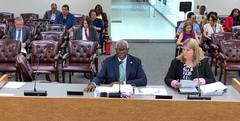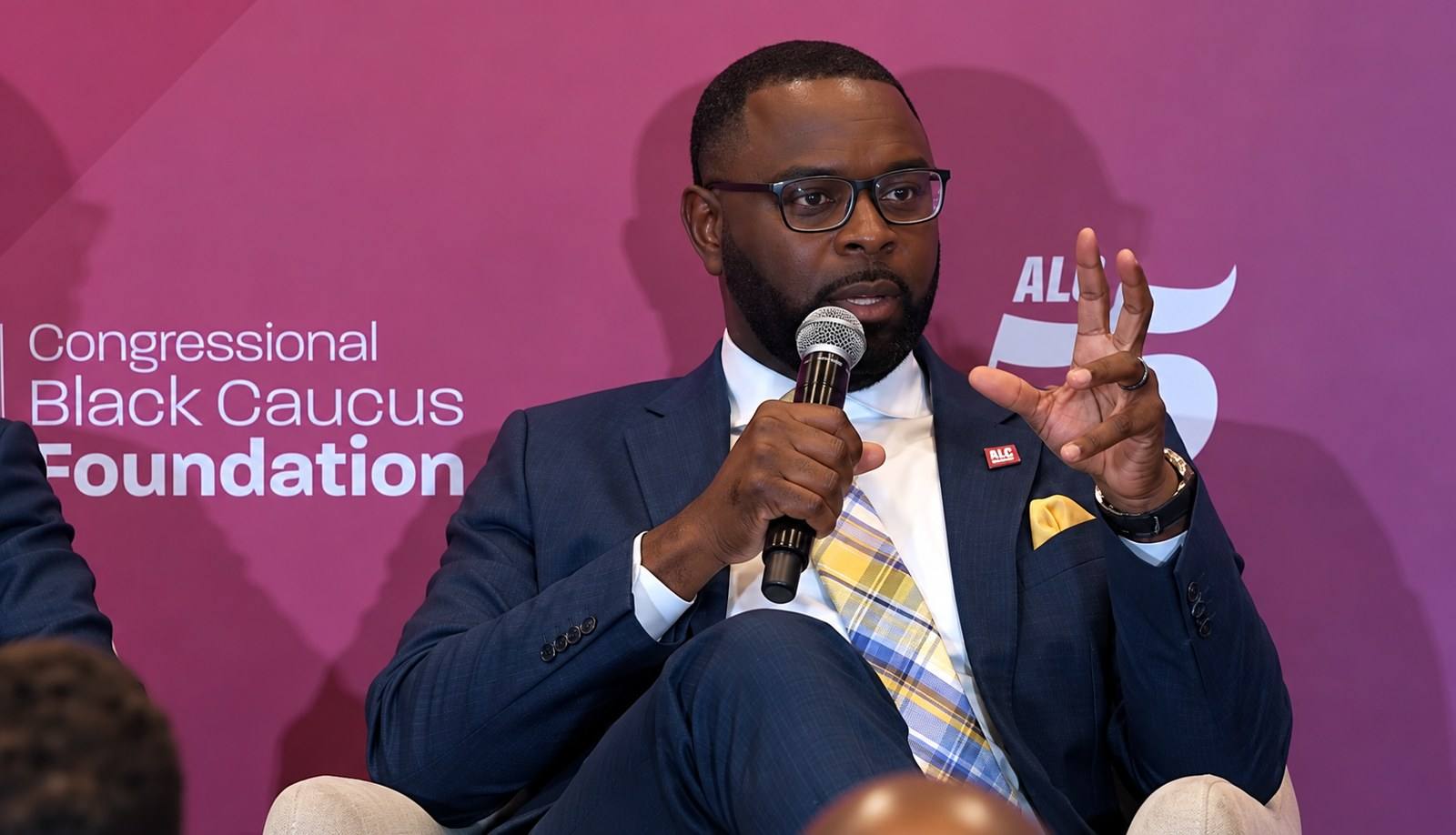
MEMPHIS, Tenn. - Mayor Paul Young went to Washington and explained why the things he believes are not always the things he says, putting the calculation itself on the record.
Speaking at the Congressional Black Caucus legislative conference, Young responded to social media criticism that has included residents calling him a "sell out" over data center development. He said he supports stricter data center regulation and oversight of SpaceXAI's operations, Action News 5 reported September 21, 2026. "Sometimes if I say it publicly, I'm amplifying the thing that I am actually trying to prevent," he said, and he added that trusting Elon Musk matters less than securing financial resources for the city.
He went further on the same panel. "I know that some retaliation might come if my voice is saying it," Young said, per Action News 5. In a call to the station on September 22, he clarified that the retaliation remark pertained to immigration policy, not the SpaceXAI data centers, in a setting where he had been pressed on both that company's growth and the expanded federal law enforcement presence in Memphis.
The clarification matters as much as the remark. On the data centers, the mayor's stated concern is amplification, that public opposition from him would feed the conflict he is trying to manage. On immigration, his stated concern is retaliation against the city for what its mayor says. Both are now on-the-record explanations of why the public hears less from City Hall than residents pressing him want.
Not everyone accepts the calculation. "If he is fighting for us, we have his back," said Henry E. Reaves III, a Memphis attorney who called on Young to be more forceful, per Action News 5.
The comments land while the Memphis City Council has a data center moratorium pending on final reading, carried past its September 15, 2026 meeting toward an expected October vote, alongside a competing regulatory framework sponsored by Councilman Philip Spinosa. The administration has not publicly taken a formal position on either measure.
Why It Matters for Memphis
The city's chief executive has now said, on the record, that he weighs federal retaliation against Memphis when deciding what to say about immigration policy, and that he holds a data center regulation position he declines to advocate publicly. Whether or not residents accept either explanation, both are accountability facts: they describe how Memphis is being governed under a federal deployment and a corporate buildout at the same time, and they leave a documentable gap between what the mayor says he believes and what the public record shows him doing.
The Oversight Question
A mayor who says silence protects the city is making a governing decision in public view with reasoning the public cannot audit. What would let residents check it: a filed administration position when the Council votes, and a plain statement of what retaliation the city fears. Until those exist, the explanation is a claim, not a receipt.
Update, October 11, 2026: The administration has since put a formal position on the record. On October 9, 2026, Mayor Paul Young signed an executive order creating a 90-day study of how Memphis should regulate large data centers, with recommendations routed to the Memphis City Council, the Shelby County Health Department, and MLGW, according to a City of Memphis release. Young said the order "does not suspend, delay, restrict, or interfere with council action." The Council voted October 6 to delay its data center ordinances, including the moratorium, to its October 20 meeting. Full coverage: Young Signs a 90-Day Data Center Study Order as the Council Heads Toward Its October 20 Moratorium Vote.
Your city. Your money. Your receipts.