MEMPHIS, Tenn. When the Shelby County Commission takes its final budget votes on June 29, one of the largest questions in the room will be how much the county gives the Sheriff's Office, and whether it is enough. With this post, The 901 Report opens its coverage of the Sheriff beat, part of its Public Safety reporting.
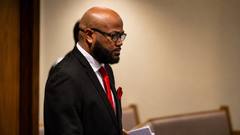
The funding fight is not new. Sheriff Floyd Bonner Jr. sued Shelby County and Mayor Lee Harris, arguing the county left more than $67 million out of his office's budget for personnel and operations. Bonner has said that money is necessary to run the department and staff the jail properly. Mayor Harris's response denied that Bonner was entitled to the relief he sought. According to FOX13, the dispute moved toward mediation in early 2026 with a tentative agreement, a status worth confirming as the budget vote approaches. The figures are large relative to the county's roughly $1.7 billion consolidated budget and its capital budget of about $150 million a year.
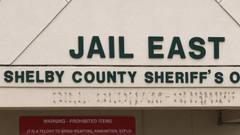
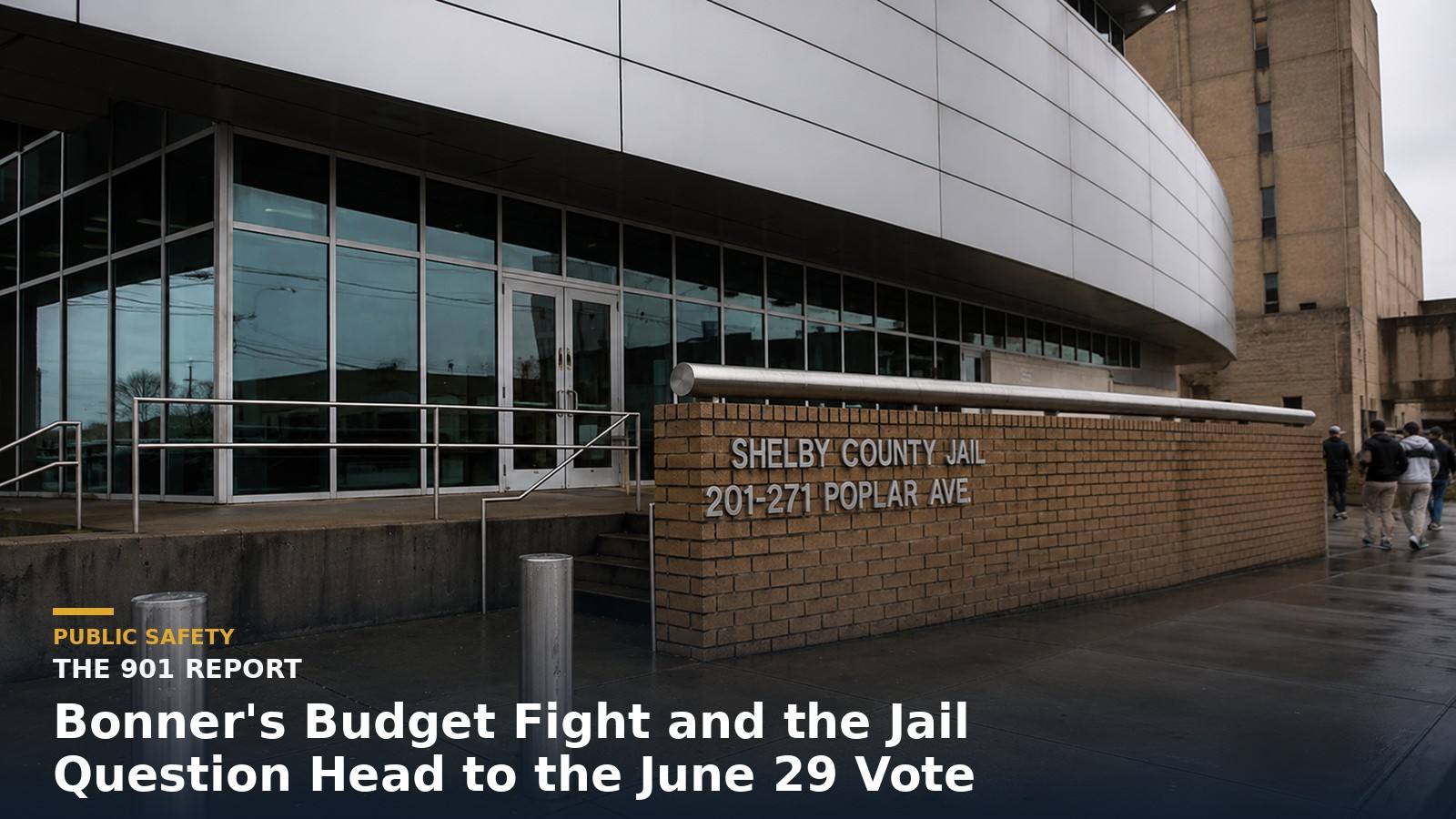
Behind the dollar dispute sits the jail. The Sheriff has publicly pressed Mayor Harris over conditions at 201 Poplar and Jail East, arguing in a late-2025 open letter that the county has not adequately addressed a deteriorating facility. That came as the jail reported a significant number of in-custody deaths during the year. Separately, a state legislative subcommittee rejected a measure that would have let Shelby County voters decide on a sales tax increase to help fund a new jail, leaving the question of how to pay for jail improvements unresolved.
The Sheriff's Office is the county's primary law enforcement and corrections agency, responsible for patrol in unincorporated areas, court security, civil process, and the operation of the jail. How the Commission funds it on June 29 shapes all of that work for the year ahead.
Why It Matters for Memphis
Few county functions carry higher stakes than running a jail. When a facility is underfunded or deteriorating, the consequences fall on the people held there, on the deputies who work there, and ultimately on taxpayers who bear the cost of litigation and emergency fixes. The budget the Commission sets on June 29 is where the abstract debate over jail conditions becomes concrete dollars.
The funding dispute also raises a governance question that affects every resident. When an elected sheriff and an elected mayor disagree this sharply over what a constitutionally required office needs, the public deserves a clear, itemized account of what was requested, what was funded, and what the gap actually pays for.
The Oversight Question
The throughline this beat will follow is whether oversight of the jail is real or nominal. A budget vote, a lawsuit, and an open letter are all signals that the basic question of how the jail is funded and run has not been settled in public view. Deferring that question does not make it go away. It transfers the cost to the people least able to absorb it.
As the June 29 vote approaches, the public is owed a plain accounting: what the Sheriff asked for, what the county provided, and what the difference means for safety inside the jail and on the street. Those are answerable questions, and this beat will keep asking them.
Update, October 11, 2026: The Shelby County Commission approved a $1.6 billion operating budget and a separate $176 million capital budget on June 29, 2026, by an 8-5 vote, Action News 5 reported, setting a tax year 2027 property tax rate of $2.702382 per $100 of assessed value. The report did not detail the Sheriff's Office allocation, and The 901 Report has not confirmed the status of Sheriff Floyd Bonner Jr.'s budget lawsuit.
Bonner, who was term limited, left office when Sheriff Buckner and Mayor Lowery were sworn in on August 31, 2026. The 901 Report's follow-ups: "Sheriff Buckner Opens a Nationwide Search for a Chief Jailer, With No Word on Why the Job Is Open" and "Lowery's First Month: A New CFO, a Cash-Flow Problem He Calls Temporary, and a Focus on the Jail".