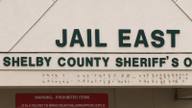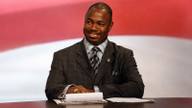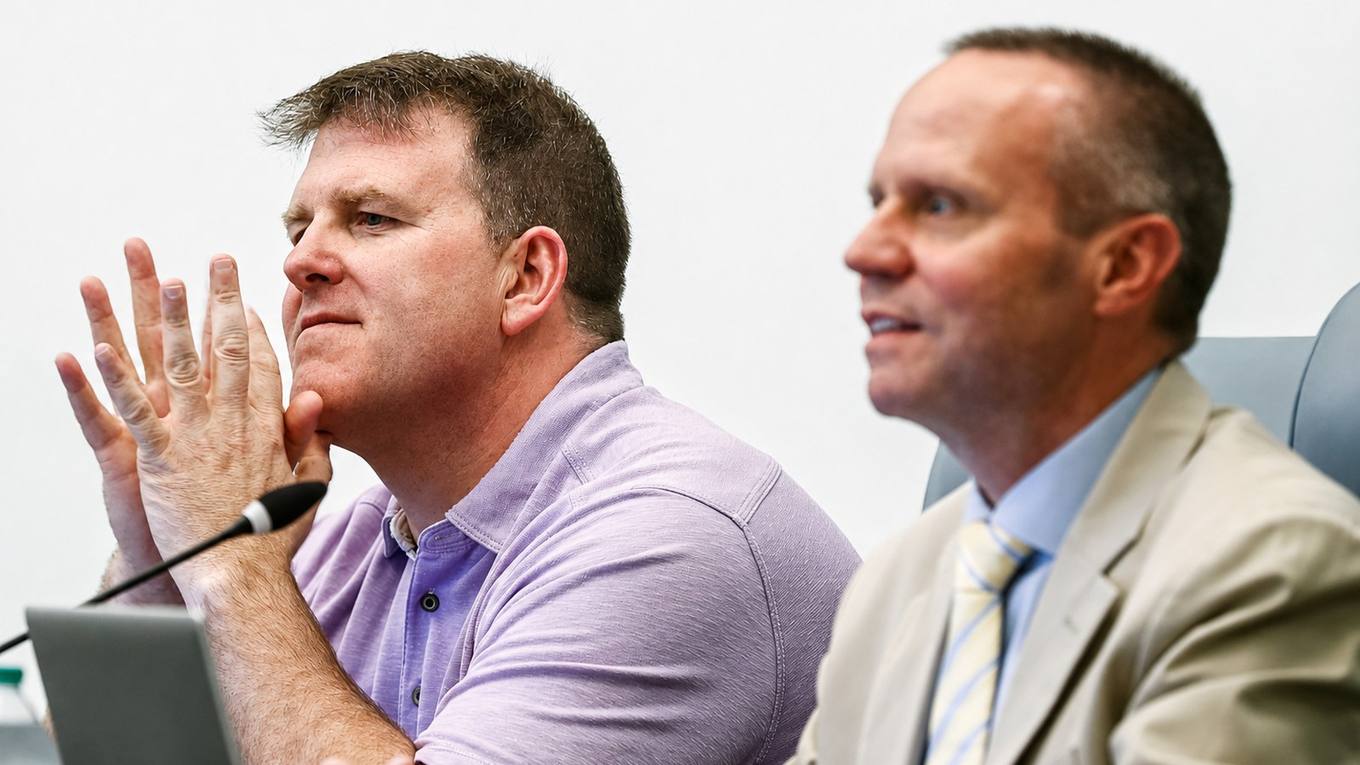
MEMPHIS, Tenn. - Bartlett Alderman David Reaves is renewing his call for the Shelby County suburbs to break away and potentially form their own county, according to the Daily Memphian, which reported the proposal on August 3.
Reaves is also floating a second option in which the six outlying cities leave Shelby County and merge into adjacent counties.
There is no filed proposal, no legislation, and no vote scheduled. This is one elected official in one suburb renewing an idea he has raised before. The 901 Report has not obtained any document, and this post reports the idea rather than a process.
The Daily Memphian noted that the idea first surfaced more than 35 years ago and that such a change would face multiple hurdles. As evidence of the difficulty, the outlet reported that no new county has formed in Tennessee in close to 150 years.
Reaves has raised this before. In 2023, he told the same outlet that he did not think a new county was off the table long term. He is a former Shelby County Commissioner and a former Shelby County Schools board member.
Why a rhetorical idea has a real number attached
The reason to write this down is not that secession is likely. It is not. The reason is that it is a claim about the county's finances, and the county's finances are documented.
On July 27, the Shelby County Commission approved borrowing up to $125 million, primarily to meet payroll for roughly 4,600 employees. It was the county's second borrowing to fund operations in under a year, following a $43 million internal loan in November 2025. Because the county's fiscal 2026 budget was never approved by the state, the county needed an emergency waiver from the Tennessee Comptroller's Division of Local Government Finance to issue the debt at all.
The county's fiscal 2027 budget is due to the Comptroller by August 31.
Those are the conditions in which a suburban official is arguing the suburbs would be better off elsewhere. Whether he is right is a separate question from whether the conditions exist.
The arithmetic nobody has published
A county split is fundamentally a question about who pays for what, and the numbers that would answer it are public but have not been assembled.
The tax base. What share of Shelby County's property tax base sits inside Bartlett, Collierville, Germantown, Lakeland, Millington and Arlington. That determines what the remaining county would lose.
The debt. Shelby County's outstanding general obligation debt was incurred by the whole county. A departing jurisdiction does not obviously walk away from its share, and how existing debt would be apportioned is a question with a legal answer nobody has stated publicly.
The services. The county funds the jail, the criminal justice system, the health department, Regional One, and the school system's local share. Suburban residents use those. A new county would have to build or buy equivalents, and the cost of standing up a jail and a court system is not a rounding error.
The schools. The six suburbs already operate their own municipal school districts, formed in 2014. That is the part of the separation that already happened, and it is the closest thing to a precedent for what the rest would cost.
None of those four figures appears in any coverage this newsroom has seen.
The case for taking it seriously, and the case against
The case for: a county that borrows to make payroll twice in a year, under a state waiver, has a structural problem, and residents of any part of it are entitled to ask whether the arrangement serves them. Reaves is an elected official raising it publicly rather than privately, and the municipal school separation in 2014 showed that a governance split some called impossible can happen.
The case against: no new county has formed in Tennessee in roughly a century and a half, which suggests the legal path is narrow. And a proposal to remove the wealthier portions of a county's tax base from a county with a majority-Black urban center carries a history in this region that is not incidental, whatever the intent of any individual proponent. This post does not attribute that intent to Reaves, who has framed the argument in fiscal terms.
Accountability Watch
Who is accountable: Bartlett Alderman David Reaves, who is making the proposal. The governments of Bartlett, Collierville, Germantown, Lakeland, Millington and Arlington, none of which has been reported to have acted on it. Shelby County government, which has not published the tax base or debt apportionment figures.
What is pending: Nothing. No proposal has been filed, no legislation introduced, and no municipal body has voted.
Timeline: The idea first surfaced more than 35 years ago. Reaves raised it publicly in 2023. Daily Memphian report renewing it, August 3, 2026. County borrowing of up to $125 million approved July 27, 2026. County fiscal 2027 budget due to the Comptroller August 31, 2026.
Status as of August 5, 2026: A proposal, not a process. The 901 Report has identified no filed document, no bill, and no municipal resolution.
How to verify: The Tennessee General Assembly bill tracker at capitol.tn.gov would show any filed legislation. Agendas and minutes for the six suburban governments are public. The Shelby County Assessor publishes property assessment data by jurisdiction, which would establish the tax base share. County debt figures appear in its annual financial report.