Topic hub

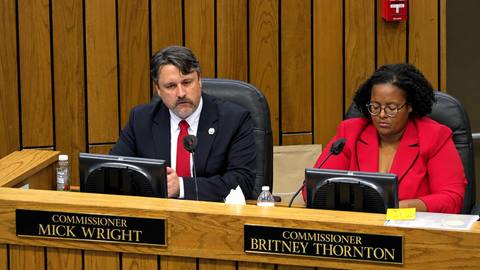
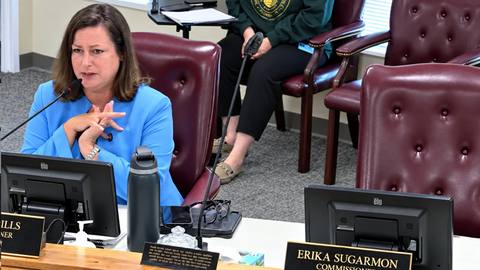
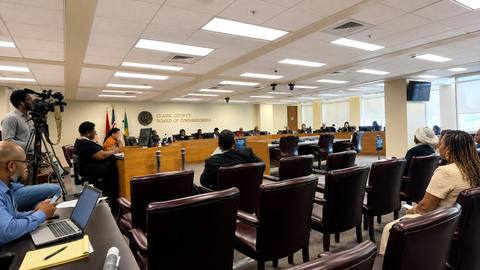
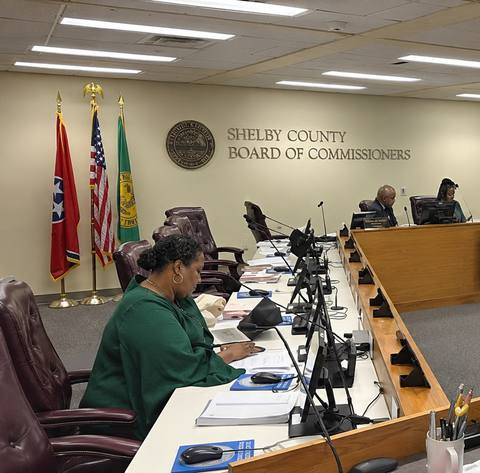
Shelby County Commission, explained

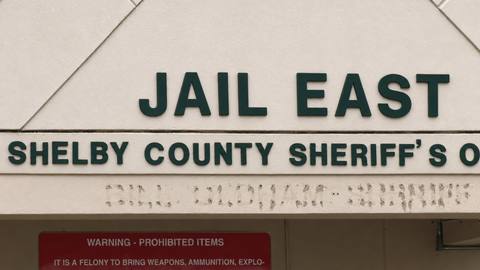
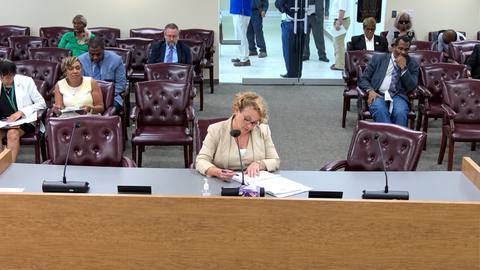
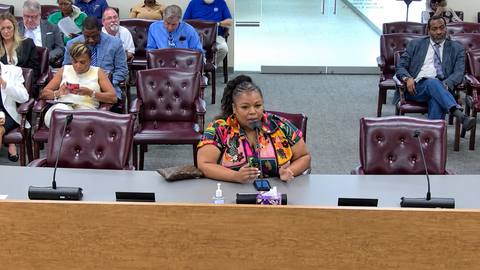
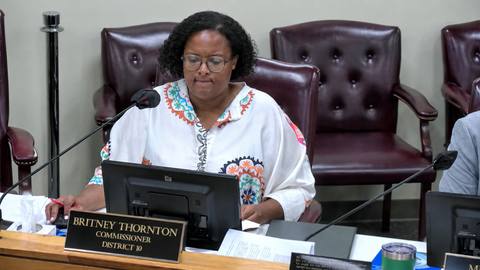
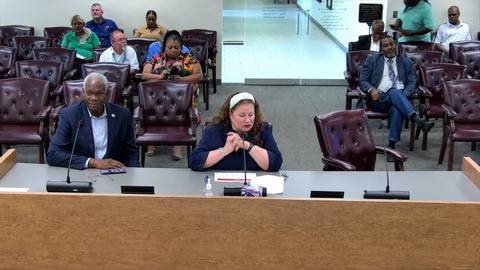
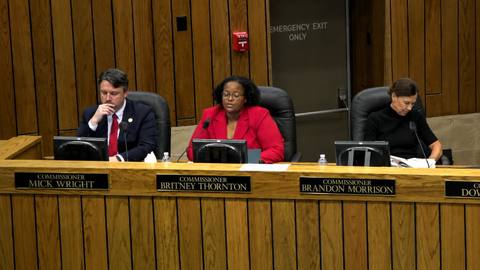
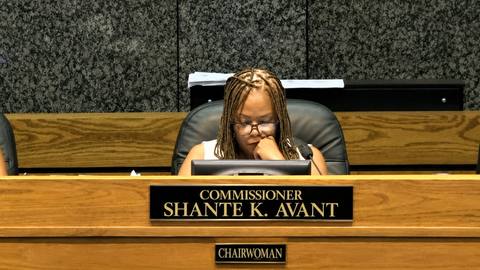
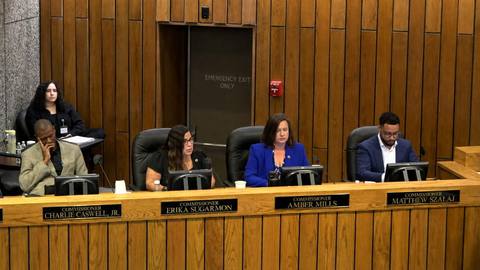
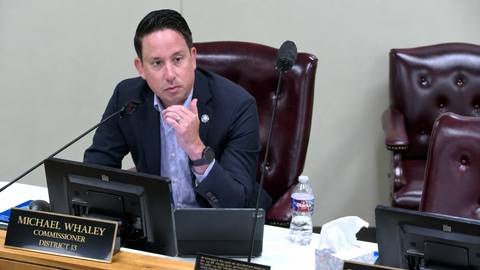
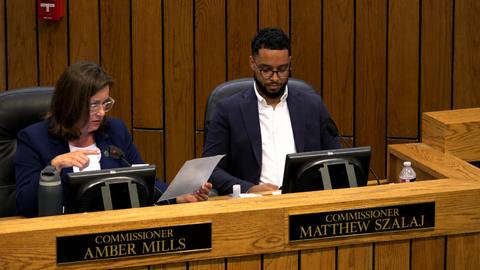
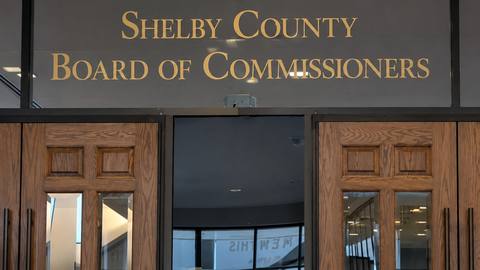
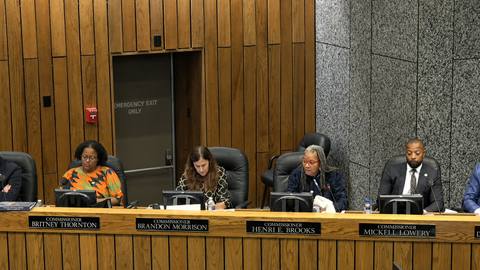
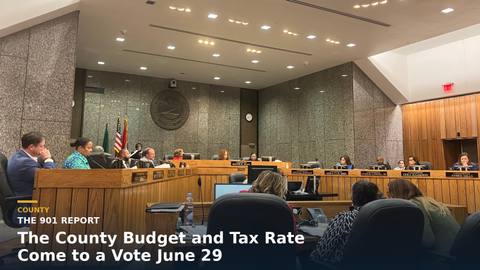
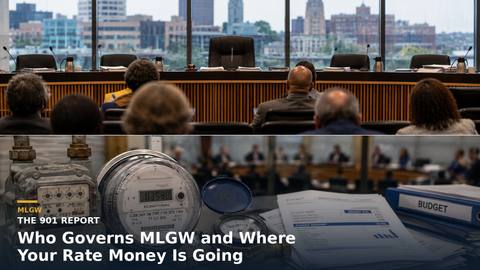
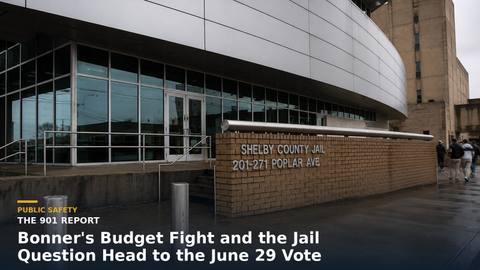
The Shelby County Commission is the 13-member legislative body that sets the county property tax rate, approves the county budget, and oversees county departments including the Sheriff's Office, the Health Department, and Regional One Health. Every Memphis taxpayer pays both a city and a county property tax — the Commission sets the county half.

How the Commission is structured

  • 13 commissioners elected from single-member districts
  • Four-year terms, limited to two consecutive terms
  • Chair elected by the body each year
  • Regular meetings on the second and fourth Monday of each month

What the Commission decides

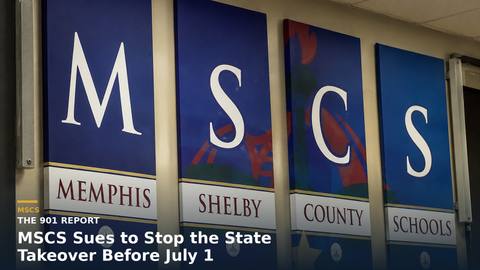
The Commission's biggest single decision each year is the county budget, which includes the county's share of funding for Memphis-Shelby County Schools — roughly half of every county dollar. The Commission also approves county contracts above the administrative threshold, sets fee schedules, and confirms appointments by the County Mayor.

City vs. County: who does what

The Memphis City Council sets city policy and the city property tax rate. The Shelby County Commission sets the county property tax rate and funds schools, jail, and public health. Memphis residents pay both. When the two bodies disagree on school funding, it usually plays out in joint budget hearings each spring.

Related coverage

Have information about Memphis or Shelby County government?

We're interested in budgets, contracts, hiring decisions, public records that aren't yet public, and anything else the official numbers don't explain. Tips go directly to our editorial desk. We protect sources to the fullest extent the law allows and use encrypted intake — never your work email or work device.

THE 901 REPORT

Independent Civic Accountability. Verified data. No spin.

Watching the people's money. Year-round.

Your city. Your money. Your receipts.

Live hearing alerts

Get an email 15 minutes before each budget hearing goes live.

The 901 Report is an independent civic accountability organization.
All commentary, analysis, headlines, and framing reflect the protected opinion of The 901 Report based on publicly available records, primarily the City of Memphis FY2027 Proposed Operating and CIP Budget. Dollar figures, exhibit references, and page citations are drawn directly from those public documents. Readers are encouraged to review the source materials and reach their own conclusions. See our Legal & Disclaimers page.