MEMPHIS, September 1, 2026 - After nearly an hour of debate over two competing data center ordinances, the Memphis City Council's attorney told the Planning and Zoning Committee that most of what members had been proposing is outside the city's authority.
The question came from Councilwoman Pearl Eva Walker, who asked what comes next after the Council passes the ordinances, who sets the guardrails, and what happens first.
What he said the city does not control
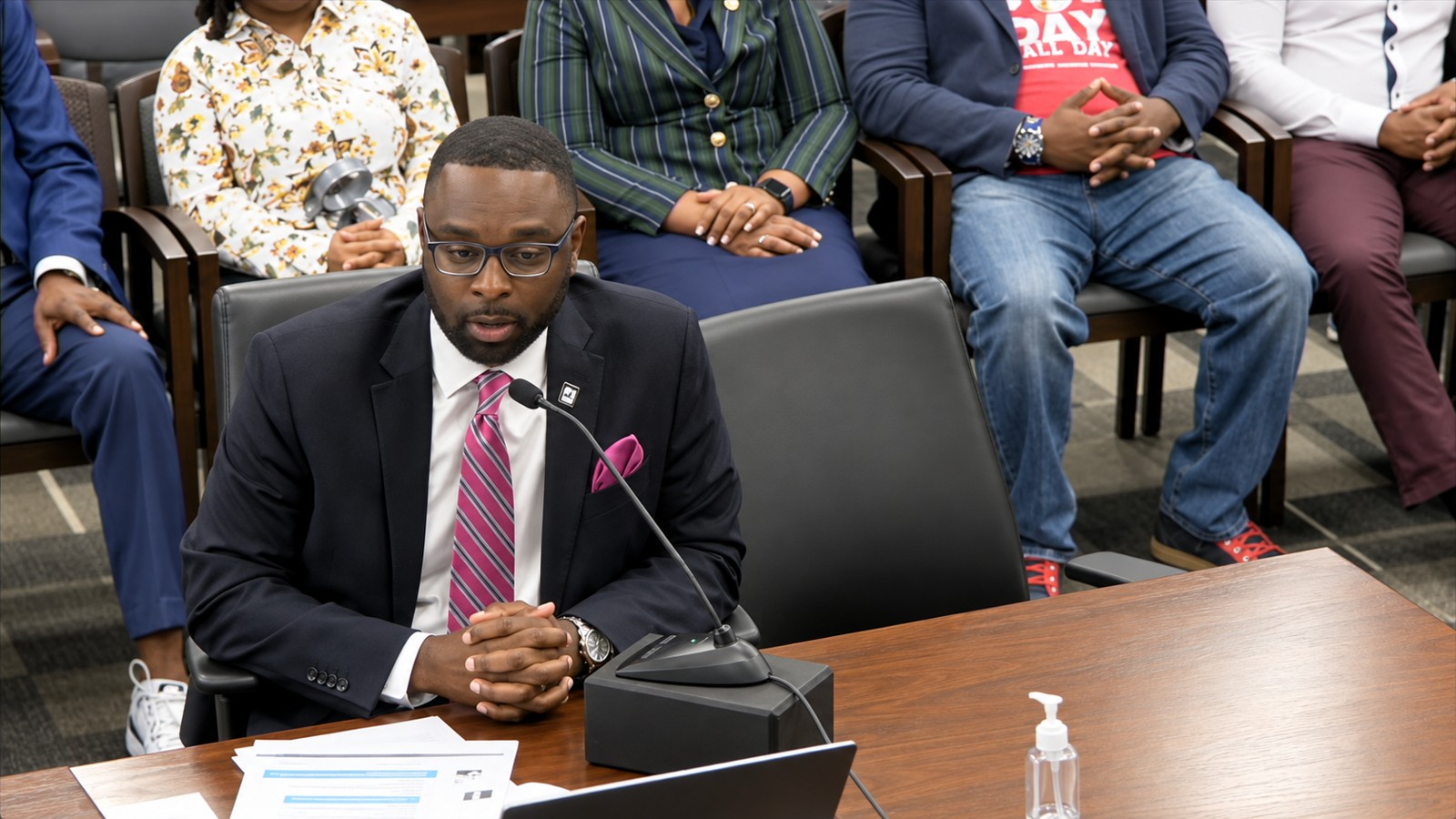
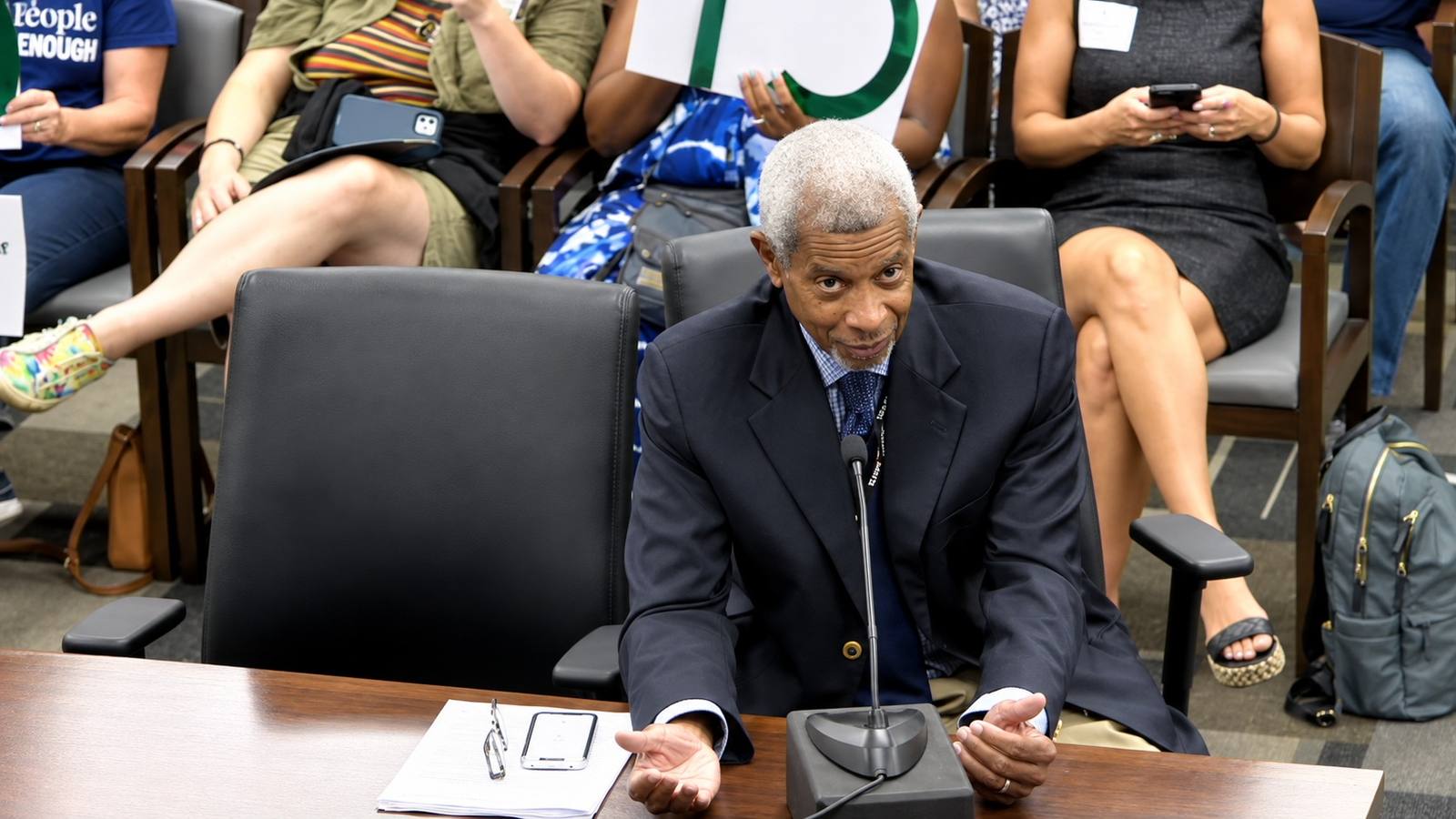
He told the committee that the utility president's presentation had been insightful in several ways, and that the Council does not control a lot of this. The main thing it controls, he said, is siting, which is a property zoning issue. He then listed what he said the Council does not control: air, water, water consumption and electric consumption, describing those as the things everyone is hanging their hats on.
He also said the Council does not have the authority to extract community dividends, and added that in his opinion that seems like some sort of extortion.
He told members they need to be realistic in their focus, and that where they may end up is having authority to change where industrial zoning goes or where these facilities can be sited, and that may be the limitation of where they are.
He said the Council has dealt with this before with oil pipelines, that there are numerous state regulations, numerous federal regulations, and numerous restrictions on the Council's ability to regulate what Memphis Light, Gas and Water does. He closed by saying everybody wants to come to the table and say they are going to do all these wonderful things, and that members do not have the power to do all those wonderful things, and will have to face reality at some point.
What that lands on
The two ordinances the committee had just advanced both reach past siting. The first, from Councilman Philip Spinosa, includes ratepayer and infrastructure cost protection, a water assurance standard, a recurring fiscal floor and a substantial recurring and enforceable community benefit tied to project scale. The second, from Councilman Dr. Jeff Warren, would ban evaporative cooling in favor of closed loop systems, prohibit large local water withdrawal, and require a facility to reach all of its power from renewable sources by year ten.
The Council attorney gave that opinion after both ordinances had already been voted down to the floor.
Earlier in the same item he had told the committee he had seen one ordinance the previous night and the other shortly before the meeting started, that he had not had a chance to sort through the state laws and regulations involved, and that he would give members his recommendation when he had. He also told members that a state legislator from Collierville had presented a bill that may negate a moratorium and may even make one illegal.
The exchange before it
The authority question had already surfaced. Councilwoman Yolanda Cooper-Sutton told the committee she had sent framework material on August 8, 2026 and received no response, and that an ordinance with a moratorium then appeared. She said she had been told more than a year ago that she could not act on regulations and wanted the difference explained on the legal side.
The Council attorney told her nobody was undermining her concern, that the whole process is to deal with siting, that she would have the opportunity to address it, and to hold her powder dry. He said industries have long been placed in industrial zoning next to Black neighborhoods and named one former chemical facility as an example, and said what sites these facilities can go to is a legitimate issue for the Council to debate and decide.
What happens next
The Council attorney said he would sort through the state and federal regulations and give members his recommendation, and did not set a date. Both ordinances proceed to the floor, one for first reading and one set for September 15, 2026.
Your city. Your money. Your receipts.