MEMPHIS, August 4, 2026 - The City of Memphis can assess a civil penalty of up to $5,000 a day against a resident or business that blows grass clippings, leaves or branches into the storm drainage system, and up to $10,000 for a sewer violation.
For nearly everything else a city ordinance covers, the ceiling is $50.
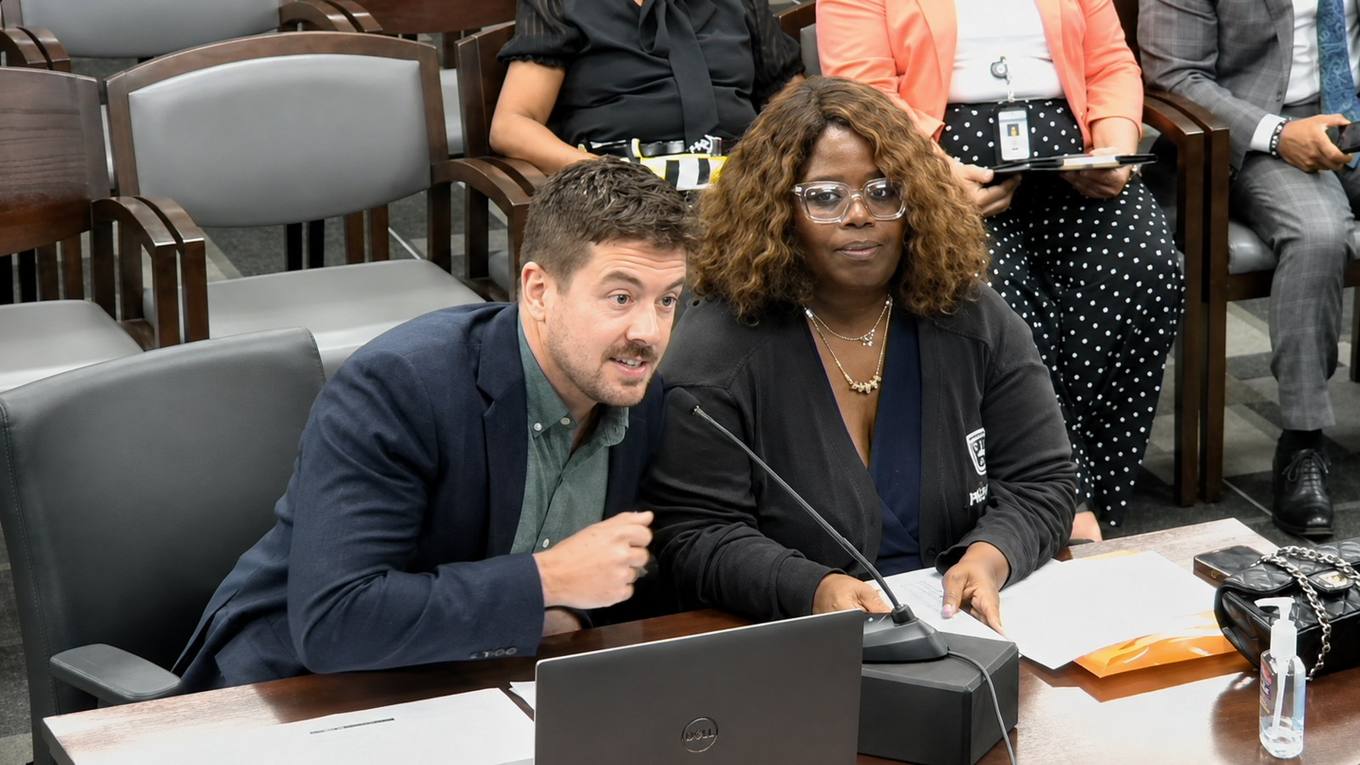
The gap came out at the Public Works, Solid Waste and General Services Committee on August 4, during a presentation on the Lamar corridor that opened into a broader discussion of what the city can actually enforce.
The public works director told the committee the city has a storm water ordinance covering improper disposal of yard waste, and that collected lawn clippings, leaves and branches appear in it as a listed violation. Chairwoman Jana Swearengen-Washington asked what the financial consequence is. He said the storm water ordinance can fine up to $5,000 a day.
He immediately qualified it. That figure is reserved for an egregious violation. The department uses an approved matrix for assessing civil penalties, and any assessed penalty can be appealed to a storm water board.
He also said proof is the practical constraint. A complaint from a neighbor, without a photograph or other evidence, may be a neighbor dispute, so the department investigates and typically sends a courtesy mailing to the whole street or neighborhood explaining that the practice is illegal. With evidence, such as a photograph of the truck or of the person doing it, he said the department can and will enforce.
The question from the dais
Councilman Dr. Jeff Warren asked the question the exchange had been building toward. How does the city get to do a $5,000 fine when it cannot do anything with a $50 fine, and where did that come from.
The director said state law changed roughly ten to twelve years ago for sewer and storm water violations, setting sewer violations at up to $10,000 and storm water violations at up to $5,000. For a city government to exceed $50 on anything else, he said, would take a constitutional amendment.
Warren said it did not make much sense to him. He said part of the problem the city has had in trying to enforce things is that it has never been able to go above fifty dollars, and that if the state can do it for storm water, the council may need to get together with its state legislators and see what else they can do.
He also suggested the council raise it with the city's legal side to see whether anything can be done locally.
The contractor question
Councilwoman Rhonda Logan asked whether there is a process ensuring the city's own contractors know the rule, because she has seen contractors do it.
Committee Chairman J. Ford Canale picked that up directly. He said that while the council does not have contracting authority, if the city is going to fine other people and tell other people they cannot do it, it should not be allowing its own contractors to do it. He proposed one warning, and a minimum three-year ban from city contracts on a second offense. He said those doing work for the city should most importantly abide by the rules.
Councilwoman Logan also raised mobile car washes operating in parking lots, asking what the fine is and how the city is addressing it. The director said the same illicit discharge rule applies. Anything other than rain going into a storm drain is illegal, including paint and detergents.
Asked who is in violation when a pop-up car wash operates on private property, the property owner or the operator, he said the operator. Logan noted that many property owners are out of town and unaware, that on-site managers are busy or afraid to intervene, and asked the department to notify owners while also giving material to police officers who drive past the operations and do not know what to do about them.
The director said established commercial car washes are a different matter. They have an oil and water separator in the bay that captures oil and settled material for disposal, with the remaining water going to the sanitary sewer system where the city collects and treats it.
He described the department's public education work under its municipal separate storm sewer system permit, which requires a set number of public events annually. He said the department does more than required, including mailers, school programs, events for landscaping companies and contractors, social media, billboards featuring a storm drain character drawn by students, and advertisements in a Spanish-language publication serving the Hispanic community.
Councilwoman Logan asked him to forward the material to council members so it can be posted on council social media and the council page.
What happens next
Councilman Warren proposed raising the fine ceiling with the city's state legislative delegation and with the city's legal side. Chairman Canale proposed a warning-then-debarment approach for city contractors, while noting the council does not hold contracting authority. Neither proposal was reduced to a motion at this meeting and neither appears on the August 4 agenda as an item. The public works director agreed to forward the department's public education material to council members.
Your city. Your money. Your receipts.