MEMPHIS, August 18, 2026 - Two community violence intervention organizations told the Memphis City Council's Public Safety and Homeland Security Committee that the money paying for their work comes from the State of Tennessee, that it ends on a fixed date, and that the City of Memphis has put none of its own money into the field.
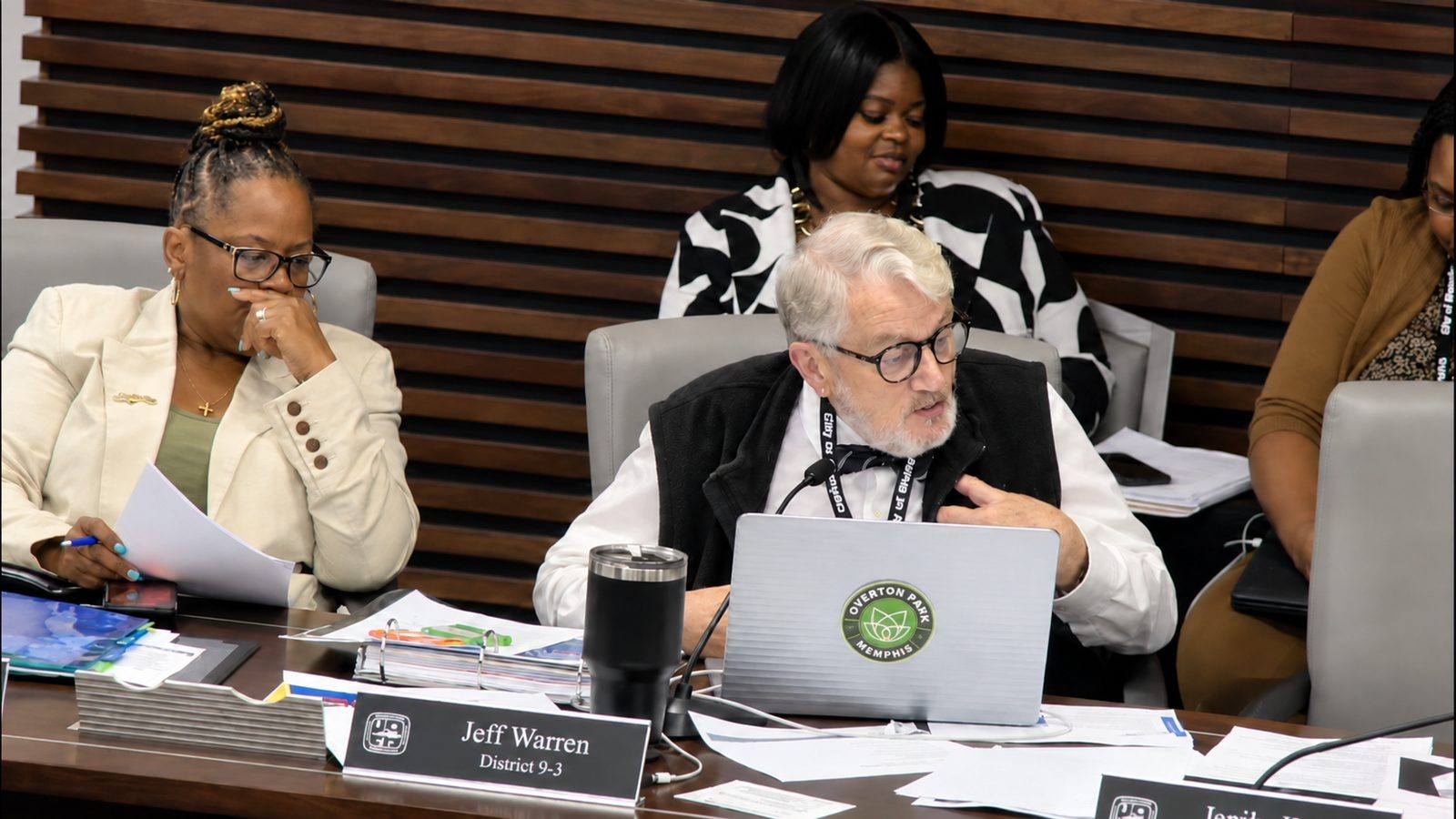
The item was placed on the agenda by Councilman Dr. Jeff Warren as a discussion of intervenor funding for the gun violence reduction initiative. He framed the problem in two parts before turning it over. First, the grants are structured as reimbursements, which means intervention groups must front the cost of the work until they are repaid. Second, the violence intervention grant currently funding the work is scheduled to end in June 2027.
He said the administration intends to apply for more grants and that he had spoken with the mayor about a possible upfront loan to bridge the gap, but that the Council needs stable long-term funding in the budget. He also told colleagues that the recent national drop in violent crime has been attributed in part to federal pandemic relief dollars that paid for people working directly with young people at highest risk, citing an article he distributed to members written in April by the director of the Center for Public Safety and Justice at the University of Chicago's National Opinion Research Center.
What the organizations said
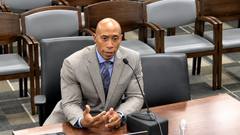
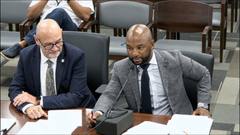
The executive director of the 911 Block Squad described what happens when his teams go on furlough: the city loses credible messenger outreach, crisis and conflict mediation, crime scene response and a hospital responder program. He said the organization currently covers nine ZIP codes with eight full-time and four part-time staff and needs roughly thirty to put three people in each area, at a cost of about $2 million a year including salary and benefits, and that benefits matter because the staff need mental health care and medical access given what they see.
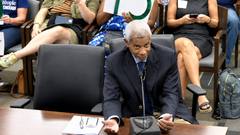
The chief executive of Heal 901 said the city has the evidence that the work reduces violence and has not funded it to last. He said his organization operated on $739,000 in the prior year and described that as being asked to deliver at a minimum baseline. He said that when his team is active in an area the calls for service in that area drop, and that the reductions rise and fall with whether the team is on the ground.
He was direct about the source of the money. The funding is state funding through the Office of Criminal Justice Programs, he said, and the City of Memphis is a pass-through with no money of its own in it. He said the field's funding is scheduled to decrease and disappear on July 1, 2027, affecting not only his organization but every group relying on it. He asked for $2 million per organization and put the minimum figure for the city's joint office of neighborhood safety and engagement at $10 million.
He also said the strain is compounded by the structure: the group violence reduction strategy directed by the city was, in his account, folded into an existing contract, so his organization is doing two jobs on one contract and one check.
What the Council said back
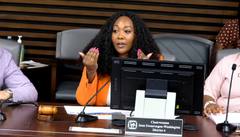
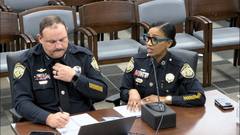
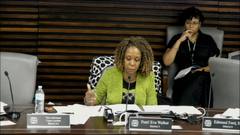
Councilwoman Jerri Green said the city gave $1.15 million in the last adopted budget and believed it did so again for FY2027, and that she understood more is needed. She then set the ask against another number. Earlier in the same meeting Chief Cerelyn Davis had told the committee the National Guard has no arrest powers and is not the force multiplier for her department. Councilwoman Green said the estimated cost of keeping the National Guard in the city is $933,000 per day, paid by the state, and that the $2 million and the $10 million together could be funded in roughly twelve days of that spending. She said it is a matter of priorities and asked colleagues to press the state as well as the city.
Councilman Warren returned to a figure he has used before, that every murder costs about $10 million, and said the cost of one murder could fund the entire operation. He said the next budget season must carry the money and that a bridge is needed to get the organizations to that point.
Councilwoman Rhonda Logan thanked both organizations and said the work goes unnoticed.
What happens next
The item was a discussion and no vote was taken. Councilman Warren said the funding question would have to be resolved in the next budget cycle and that he is working with the mayor on bridging the gap before then. The state funding date stated on the record is July 1, 2027.
Your city. Your money. Your receipts.