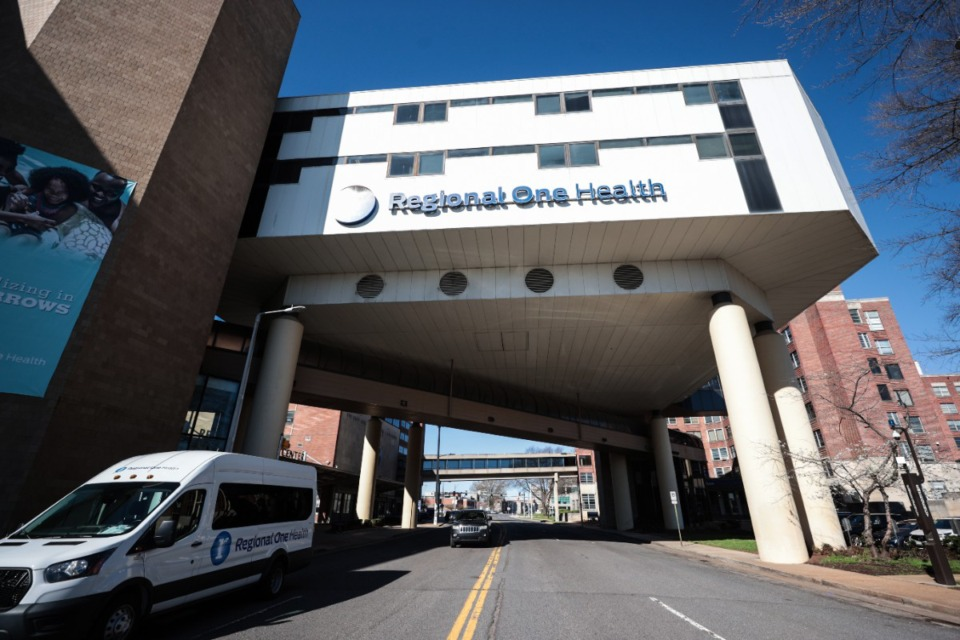
Two Memphis hospitals got poor ratings from the federal government, and residents should not let that pass as routine bad news. In a city already fighting for better health outcomes, a low federal score is a flashing warning sign about safety, quality, and whether patients are getting the care they were promised.
What happened
The Daily Memphian’s Friday issue flags that two Memphis hospitals received poor ratings from the federal government. The key point is not just the ranking itself - it is what those ratings imply about care quality, patient risk, and oversight inside the facilities.
Federal hospital ratings typically land where hospitals struggle with outcomes tied to safety and performance. For Memphis patients, that matters immediately: people are not choosing hospitals on a spreadsheet; they are choosing where to go in a crisis, where family members recover, and where too many households already feel forced to accept whatever is closest or covered.
This is also a civic issue, not just a medical one. Hospitals are major employers, major taxpayers, and major public-health anchors in neighborhoods across the city. When they underperform, the consequences do not stay inside the building.
A fair read of this news is simple: Memphis cannot fix what leaders refuse to name. If a hospital gets a poor federal rating, residents deserve to know what failed, what changed, and who is accountable for making it right.
Why this matters for oversight
The responsible entities here are the hospital systems themselves, the Tennessee Department of Health, and the federal agency or rating program behind the scores. Depending on where the hospitals are located, this also touches the neighborhoods and council districts where patients rely on those facilities most.
The question residents should be asking is:
What exactly drove the poor rating, what corrective plan is in place, and how will Memphis patients be able to verify that conditions actually improved?
That means asking for specifics on staffing, infection control, readmissions, emergency response times, complaint handling, and any leadership changes tied to the results. It also means asking local and state health officials whether they are tracking the same problems and whether they have any enforcement tools on the table.
For City Council members, the oversight question is not whether they run hospitals - they do not. It is whether they are using their public platform to press for transparent reporting when a major local health institution fails a federal benchmark.
What residents should watch next
Watch for the hospitals’ official response: do they release a clear corrective-action plan, or do they hide behind vague statements about “commitment to quality”?
Also watch whether Memphis and Shelby County public-health leaders acknowledge the issue publicly, and whether any elected official asks the one question that matters most: How many patients were affected, and what changes are happening now?
If the hospitals want trust, they need more than a press release. They need proof.