MEMPHIS, Tenn. - Nearly one in five Memphis households experienced at least one utility disconnection in 2025, and disconnections are rising, according to an analysis published August 13, 2026 by MLK50: Justice Through Journalism.
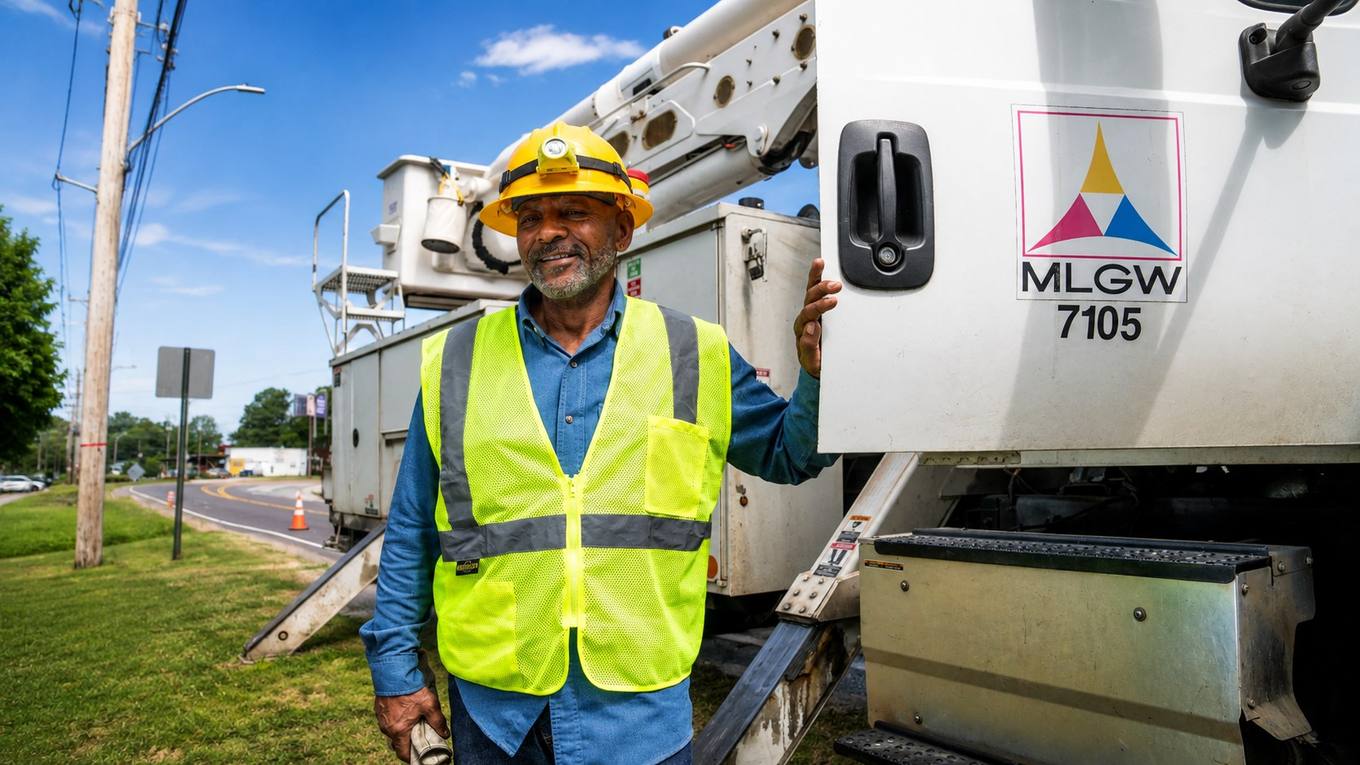
The mechanics behind that figure sit in Memphis Light, Gas and Water's own published policies. MLGW rates customers in two tiers, based on credit scores and payment history. A-rated customers can carry an unpaid balance of $400 before a cutoff notice; B-rated customers get a notice at $200, per MLK50's account of the utility's rules. Payment is due in 12 business days, a 5 percent late fee follows the deadline, and a cutoff notice gives 10 business days to pay.
Disconnection itself is staggered: electricity first, gas seven days later, water twenty or more days after that. Getting the lights back on costs a $58 reconnection fee, on top of the balance. A returned check adds $30.
The utility's relief programs carry their own thresholds. The winter moratorium for seniors and customers with disabilities requires a balance below $200 by November 30. The Holiday Bill Break, which pauses cutoffs from December 15 through January 14, requires debt under $400. Payment plans require 25 percent down within four days, per MLK50. The average monthly MLGW bill was $287 as of July 2025.
MLGW spokesperson Stacey Greenberg is quoted in MLK50's reporting, and Energy and Policy Institute researcher Jonathan Kim describes the coercive weight disconnection carries for low-income households. The analysis lands during an extreme heat warning in effect across the Mid-South through Sunday, August 16, 2026.
The 901 Report has not independently verified the disconnection count; the figure is MLK50's, and the underlying policies are MLGW's own published rules, which any customer can read on mlgw.com.
Why It Matters for Memphis
MLGW is a public utility, owned by the people it disconnects. Its cutoff thresholds, fee schedule, and relief-program fine print are policy choices made by its board, and the one-in-five figure is a measure of how those choices land in one of the poorest large counties in America. During a heat emergency, the distance between a $200 threshold and a $400 one is not paperwork.
The Oversight Question
MLGW publishes its rules but not, routinely, its results. How many disconnections has the utility executed in 2026, month by month, and will its board put that number on a public dashboard next to the fees it collects for reconnection?
*Your city. Your money. Your receipts.*