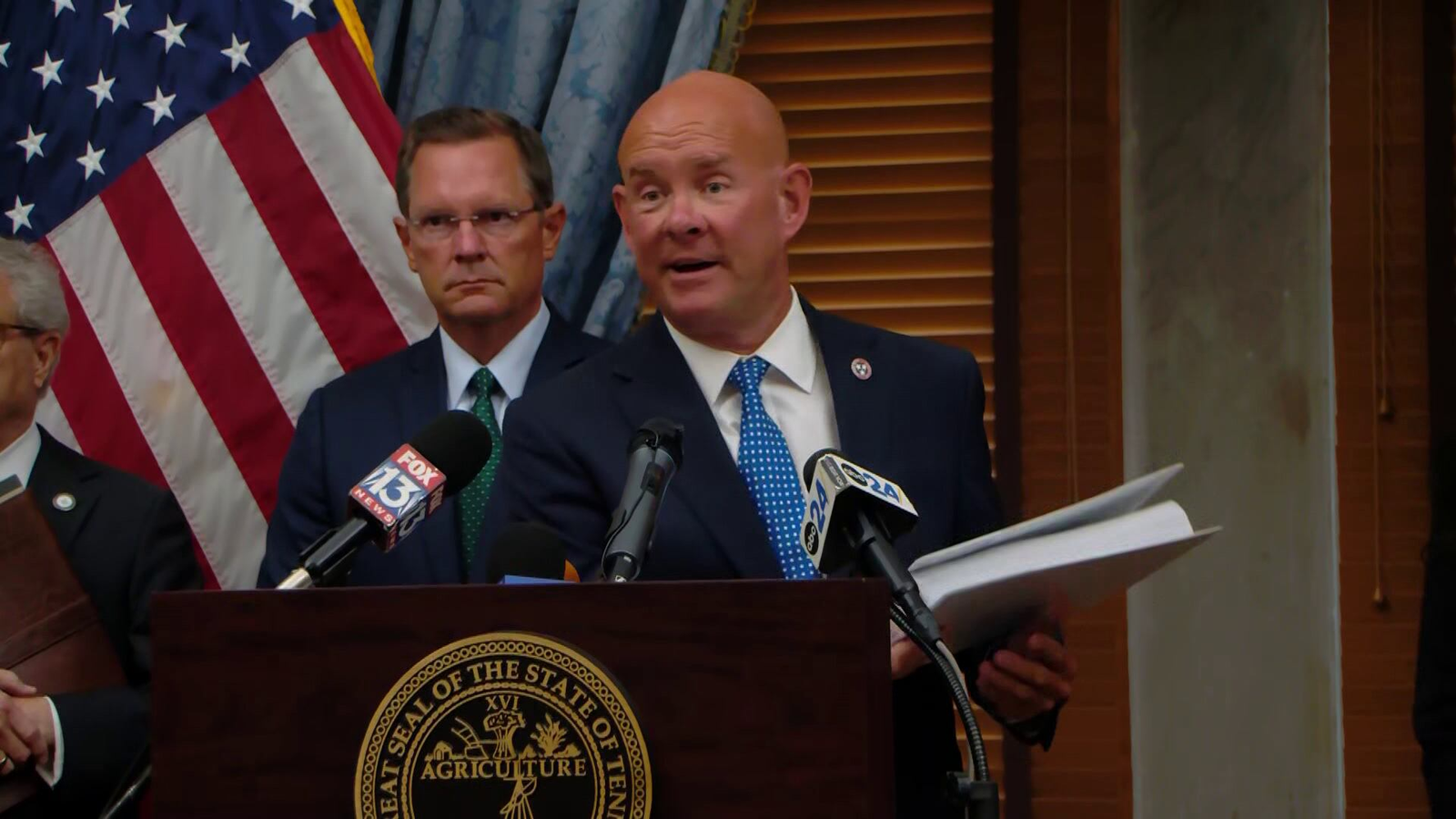
MEMPHIS, Tenn. - Tennessee Comptroller Jason Mumpower released an independent forensic audit of Memphis-Shelby County Schools on Wednesday, July 8, that describes years of failures in governance, internal controls, procurement, and financial oversight across the state's largest school district. The four-volume evaluation, conducted by the accounting firm CliftonLarsonAllen (CLA), examined district operations and flagged tens of millions of dollars in questionable transactions. It is a management and accountability review; it does not charge anyone with a crime.
The forensic audit examined district operations during fiscal years 2022 through 2024. Auditors identified approximately $54.2 million in transactions they determined were consistent with evidence of potential fraud, waste, or abuse; approximately $65.1 million in transactions where evidence suggested noncompliance with district policies and procedures; and approximately $291,000 involving potential noncompliance with federal grant requirements. In all, the audit contains 185 observations and 133 recommendations meant to strengthen district operations.
The single largest area of concern was procurement and contracting. Among the findings the report describes:
A custodial services contract of approximately $48.4 million was awarded to one vendor even though the evaluation committee had recommended multiple vendors, and the report says there was no documented justification for the change. According to the report, documentation indicated a former Chief of Business Operations influenced the award outside the established procurement process. The contract was later terminated for poor performance. After the termination, the district referred separate whistleblower allegations about the procurement to the FBI. CLA said it could not independently verify those allegations or determine the outcome of the referral. A referral is not a charge, and no finding of criminal conduct has been made.
The auditors also raised concerns about project management contracts with Allworld Project Management, including how contracts were awarded, the vendor's involvement in future procurement documents, and Allworld employees sitting in on MSCS job interviews for positions that could influence procurement. The report notes Allworld declined a scheduled interview with CLA after retaining legal counsel.
The report identified approximately $3.1 million in payments to Mid-South Renovations where, it says, evidence indicated a conflict of interest involving a former Director of Facilities and Maintenance. Of that, the district determined about $400,000 in work was performed negligently and about $250,000 was paid for work that was never completed. Some of those funds were federal grant dollars.
Beyond procurement, the Internal Controls Assessment logged 98 observations spanning governance, financial management, compliance, and operational controls, plus 51 observations on information technology and cybersecurity. The detailed cybersecurity findings were withheld from public release as confidential under state law, because disclosing specific vulnerabilities could create a security risk. The forensic audit also flagged potential Open Meetings Act concerns involving email exchanges among board members and legal counsel, outside publicly noticed meetings, on matters including superintendent searches, contract negotiations, and compensation.
Not every volume was critical. The investigation into the Whitehaven High School Herbert STEM Center concluded that project expenditures were generally appropriate and supported, though it found weaknesses in governance, communication, and oversight. It also noted about $880,000 in remaining project funds held by the nonprofit SchoolSeed, which the report says declined to provide requested bank statements, and found the project lacked a formal written agreement between the district and its nonprofit partner.
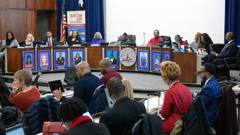
Mumpower framed the review as systemic rather than isolated. He said the failures documented in the reports are "unacceptable" and described a culture where policies were "too often ignored instead of followed," while also noting that many dedicated teachers and employees serve students every day. The findings concern operations in prior years, and the report is intended to guide the newly created Educational Oversight Board of Memphis-Shelby County Schools, which is responsible for developing and monitoring a transformation plan for the district.
Why It Matters for Memphis
This is the receipts document for the state's intervention in Memphis-Shelby County Schools. The Educational Oversight Board was stood up to remake how the district is run, and this audit is the evidence base it will work from: 133 specific recommendations, tens of millions in transactions the auditors could not square with district policy, and a procurement system the report says was steered around its own rules. For the families of the roughly 100,000 students in the district, and for the taxpayers who fund it, the audit is less about any one contract than about whether the basic controls that are supposed to protect public money were working. The report's answer, across four volumes, is that too often they were not.
The Oversight Question
A forensic audit is a receipt. It shows where controls failed, where money moved without documented justification, and where the rules were routed around. The harder question starts now: an audit that names problems is only worth the corrective action it produces. The test for the new Oversight Board is not whether it accepts these 133 recommendations, almost any body would, but whether the public can watch them become enforced controls, with the same transparency the audit itself demanded. Findings are not fixes, and they are not charges. What happens next is the accountability.