MSCS Loses Teachers at a Higher Rate Than the State, and the Losses Pile Up in the Schools the State Cites for Takeover
MEMPHIS, Tenn. - Nearly 20 percent of Memphis-Shelby County Schools educators resigned in 2024, compared with about 12 percent of educators statewide, and the district's lowest-performing schools are losing the most teachers year over year, according to a Chalkbeat Tennessee analysis of state educator-resignation data published October 13, 2026.
The pattern is not new. Chalkbeat found Memphis teachers have left at higher rates than the statewide average for the past decade. What the new analysis adds is where the losses land: Mt. Pisgah Middle and High School, one of 14 MSCS schools facing increased state intervention for repeatedly failing the state's rating system, lost about two-thirds of its teachers in 2024-25. Middle College High, which earned the state's top rating that year, lost none.
The staffing hole is measurable at the start of the school year. In an August 2026 survey of school leaders cited by Chalkbeat, 35 percent said every teaching position was filled by the first day of class, down from 41 percent in the August 2025 survey. Earlier in 2026, 230 teaching positions had no pending offers. Nearly one quarter of MSCS teachers said in the state's 2025 educator survey that they did not like how their school is run. The district was not included in the 2026 state educator survey because too few of its educators responded, and retention data for the 2025-26 school year is not yet available.
Chalkbeat interviewed ten current and former MSCS educators, most of whom asked not to be named for fear of retaliation. The reasons they gave for leaving were working conditions more than wages: facility problems, shortages of desks and textbooks, constantly changing district policies, thin support on student behavior, and disagreements with school administrators over classroom management. One teacher interviewed by Chalkbeat described leak and flooding problems at Willow Oaks Elementary. District spokesperson Terrica Cleaborn-Thornton said MSCS found no record of daily flooding there but did identify classrooms with up to eight leak-related work orders over two years, and said the district is targeting support to hard-to-staff schools.
Money still frames the problem. Memphis teachers average just over $65,000 a year, with a starting salary just over $51,000. The district raised teacher salaries 2 percent and offers $1,000 bonuses to teachers who stay in their schools year to year. Superintendent Roderick Richmond told Chalkbeat he wants to retain every teacher and is committed to competitive wages, but cited budget constraints and warned that higher pay costs could lead to job cuts. The district has held seven job fairs to fill vacancies.
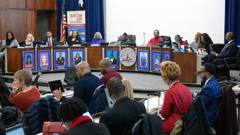
The analysis lands while the district is fighting a state takeover in court. Tennessee's appointed oversight board approved its readiness policies on October 8, 2026, and the federal court has said the takeover may begin once the state board is ready. Tennessee Republicans have pointed to Houston's state takeover as a model; Chalkbeat notes Houston's takeover was followed by a major teacher exodus, and that its pay-for-performance model now runs salaries from $64,000 to $101,000, with no settled evidence yet on retention.
Why It Matters for Memphis
The school that lost about two-thirds of its teachers is among the schools whose ratings the state cites to justify intervention. Whoever runs MSCS next inherits this staffing problem: the district's lowest-rated schools face heavy turnover, and its superintendent says competitive pay must be weighed against budget constraints and possible job cuts. A takeover plan needs to explain what it will pay teachers and how it will staff the 14 intervention schools.
The Oversight Question
The state built its takeover case on school ratings. Chalkbeat's analysis shows heavier teacher churn in lower-performing schools, not proof that either causes the other. What is the state's staffing plan for the 14 schools it says Memphis failed, and what will it spend on it?
Your city. Your money. Your receipts.