Correction, October 11, 2026: An earlier version of this post said in its headline that a state board had assumed control of Memphis-Shelby County Schools. When this post was published on May 18, 2026, the takeover bill had not yet been signed. Gov. Bill Lee signed it the week of May 22, 2026, Chalkbeat Tennessee reported, and the state-appointed oversight board has not taken control of the district: U.S. District Judge Waverly Crenshaw temporarily blocked the takeover at the end of June 2026, and that block remained in place as of October 11, 2026. The headline has been corrected.
Memphis-Shelby County Schools is heading into a new budget season with a major leadership shift already underway. According to Chalkbeat, district leaders are proposing a $1.7 billion budget for the 2026-27 school year as lawmakers move to put the district under a state-appointed board.
That combination matters. A budget is not just a spending plan; it is the clearest statement of what the district intends to protect, what it may shrink, and which priorities get pushed into the margins. In a district as large and politically exposed as MSCS, those decisions ripple far beyond the central office. They affect classroom staffing, school-level supports, transportation, special education, building maintenance, and the basic question of whether families can count on stability from one school year to the next.
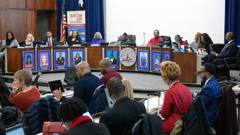
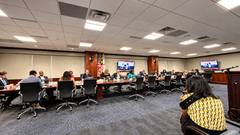
The bigger civic issue is that the people making the budget decisions are changing at the same time the district’s finances are being set. The elected board must decide whether to adopt it, revise it, or demand changes, with a state-appointed board waiting in the wings. Residents should be watching closely to see whether the transition produces genuine scrutiny or just a rubber stamp under new management.
The story also matters because it lands in a period when Memphis residents are already being asked to absorb major public-sector strains elsewhere: city budgeting, public-safety spending, pension pressure, and ongoing questions about whether local government is spending in ways that match neighborhood needs. MSCS is not the city government, but it is one of the largest public institutions serving Memphis families, and its budget choices can deepen or relieve pressure on households across the city.
For families, the practical question is simple: what will this budget mean for individual schools? The district’s spending plan should make clear whether it is preserving teachers in classrooms, maintaining enough counselors and support staff, and funding transportation and special education without forcing schools to do more with less. If the proposal relies on one-time fixes, delayed repairs, or optimistic assumptions, that should be treated as a warning sign rather than an administrative detail.
The political context is also hard to ignore. A state-appointed board taking over a local school system raises immediate accountability questions about who is answerable to Memphis voters and families. Even when decisions are made under state authority, the consequences are local. Parents, teachers, and taxpayers still live with the results.
Why this matters for oversight
The responsible agency is Memphis-Shelby County Schools, facing a planned transition to a state-appointed board. This is not tied to a City Council district in the way a neighborhood project would be, but the impact is citywide, including every Memphis family enrolled in MSCS schools.
Residents should be asking: What does this $1.7 billion budget protect, what does it leave unsaid, and which schools or services would absorb the pain if revenues or costs shift? The follow-up question is whether the incoming board will explain those tradeoffs publicly before locking in the final plan.
For The 901 Report’s broader accountability lens, this is one to watch alongside the city’s FY2027 budget debates: when public institutions are under stress, officials often emphasize continuity while avoiding the harder discussion about cuts, reserves, staffing, and whether the numbers actually match the needs on the ground.