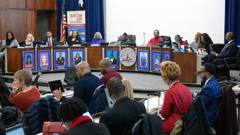
MEMPHIS, Tenn. - A federal judge has temporarily frozen Tennessee''s takeover of Memphis-Shelby County Schools, and the state is now fighting to restart it, in a court battle that will determine who controls the state''s largest school district as the new school year approaches.
The dispute centers on Public Chapter 1057, a law the Tennessee legislature passed this spring creating a state-appointed oversight board with authority over key decisions at Memphis-Shelby County Schools, including approval of the district''s budget and any school closures. The nine-member oversight board was set to take control on July 1.
In mid-June, the elected Memphis-Shelby County school board, Shelby County Government, the Shelby County Board of Commissioners, and the nine individual elected board members sued state leadership over the law. Their filing argues the takeover is unconstitutional. On June 30, attorneys for the district and the county asked the court for an emergency order to halt the oversight board before it could act.
On July 1, the oversight board''s first official day, U.S. District Judge Waverly D. Crenshaw Jr. granted a temporary restraining order. His order directs the state and the district to maintain the arrangement that existed before Public Chapter 1057 took effect, pending the court''s decision on the plaintiffs'' request for longer-term relief. In the order, Judge Crenshaw noted the district''s argument that temporary relief was needed to avoid interruptions in what it called mission-critical preparations for the opening of schools on August 3.
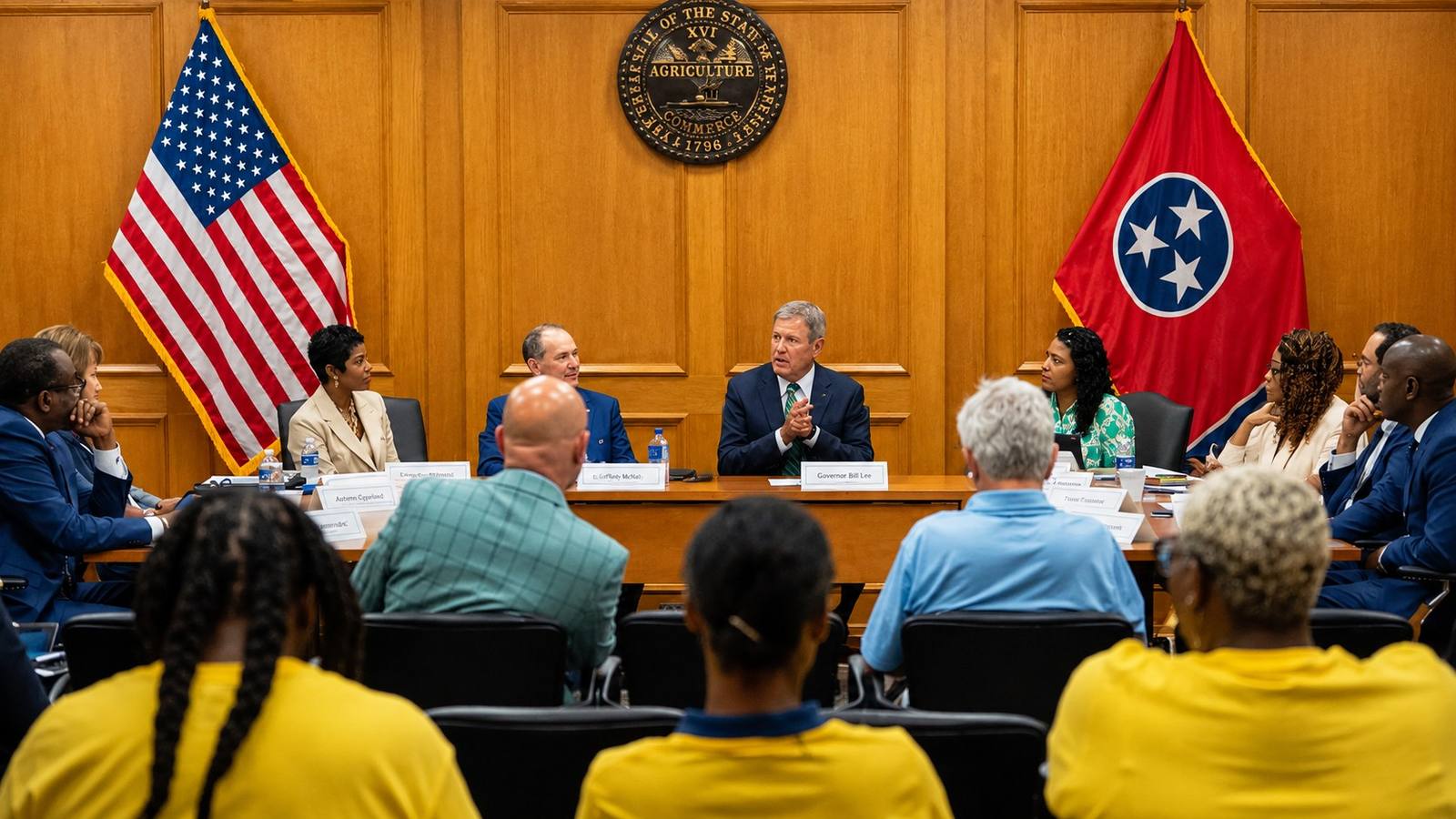
The practical effect was immediate. The oversight board, chaired by Billy Orgel, canceled a full meeting scheduled for that afternoon, delaying votes on an executive director contract and initial steps toward the board''s planned assessment of district operations. The board, which held its first meeting in June in Nashville and had not yet met in Memphis, had been in the process of hiring staff and legal counsel. Its work was paused pending a full federal court hearing, which had not been scheduled.
At the center of the practical dispute is a change in who approves spending. Under the takeover law, the oversight board must approve every purchase over $50,000. Under the district''s previous policy, the superintendent or a designated deputy could approve contracts under $100,000, with the elected board approving larger ones. District leaders argued in their filing that routing routine, time-sensitive purchases through a newly formed oversight board with no established procedures could delay contracts essential to opening schools on time, including transportation and building maintenance.
The state''s interest in intervening built over the past year, after the elected board voted to remove Superintendent Marie Feagins less than a year into her tenure, a decision that drew sharp criticism from state leaders. Supporters of the takeover law have pointed to concerns about district governance and finances, including a state forensic audit of the district, as the basis for state intervention. Opponents argue the law strips power from a locally elected board and was rushed into effect just weeks before the school year.
As of mid-July, the temporary block remained in place, and Tennessee officials had filed a request asking the judge to lift it, challenging the district''s constitutional claims. No date had been set for the hearing that will decide whether the pause continues while the lawsuit proceeds. The order also directs the parties to work out, with a magistrate judge, the scope of a limited exchange of information needed to prepare for that hearing.
Why It Matters for Memphis
Control of Memphis-Shelby County Schools means control of the budget, the contracts, and the major decisions for a district that educates more than 110,000 children. The question in front of the federal court is not a technicality. It is whether a board of state appointees or the board Memphis voters elected will make those decisions, and the answer arrives in the same weeks that schools are preparing to open. Every family with a child in the district has a direct stake in who holds that authority when the first bell rings.
The Oversight Question
Who runs Memphis-Shelby County Schools right now, and who will run it when school starts? That question is genuinely unsettled, and it sits with a federal judge rather than with any official voters chose or the state appointed. The receipt worth demanding is transparency at each step: a clear public record of what the court orders, when it takes effect, and exactly which body holds authority over the district''s money and decisions at any given moment.
Your city. Your money. Your receipts.
Update, October 11, 2026: After an October 2, 2026, hearing in Nashville, U.S. District Judge Waverly D. Crenshaw Jr. filed an order on October 5, 2026, indicating he will lift the block on the state takeover once oversight board chair Billy Orgel notifies the court under oath that the board is "ready, willing, and able" to begin its work, Chalkbeat Tennessee reported. He also dismissed Gov. Bill Lee, Education Commissioner Lizzette Reynolds, and legislative leaders as defendants, FOX 17 reported. The oversight board approved key policies at an October 8 meeting aimed at showing readiness, and on October 7 the district and county filed a separate suit in Shelby County Chancery Court seeking a permanent injunction, Chalkbeat reported. The 901 Report's follow-ups: "Judge Clears the Way for the MSCS Takeover, and the Start Date Now Rests With the Board Chair" and "The Takeover Fight Opens a Second Front".
Your city. Your money. Your receipts.