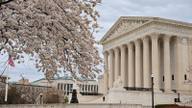
WASHINGTON - The Supreme Court on Monday, September 14, 2026 denied the administration's application to stay the preliminary injunction blocking the United States Postal Service's new mail-ballot rules, leaving the rules frozen through the November 3 midterm elections, according to the Court's order in United States Postal Service v. California, No. 26A305.
Justice Samuel Alito dissented from the denial, joined by Justice Clarence Thomas. Justice Brett Kavanaugh concurred, writing that there is "at least a fair prospect that the final rule falls within the Postal Service's statutory authority," but that "applying the rule in the 2026 elections would be arbitrary and capricious" because "state and local election officials do not have sufficient time to reasonably implement the rule before the elections."
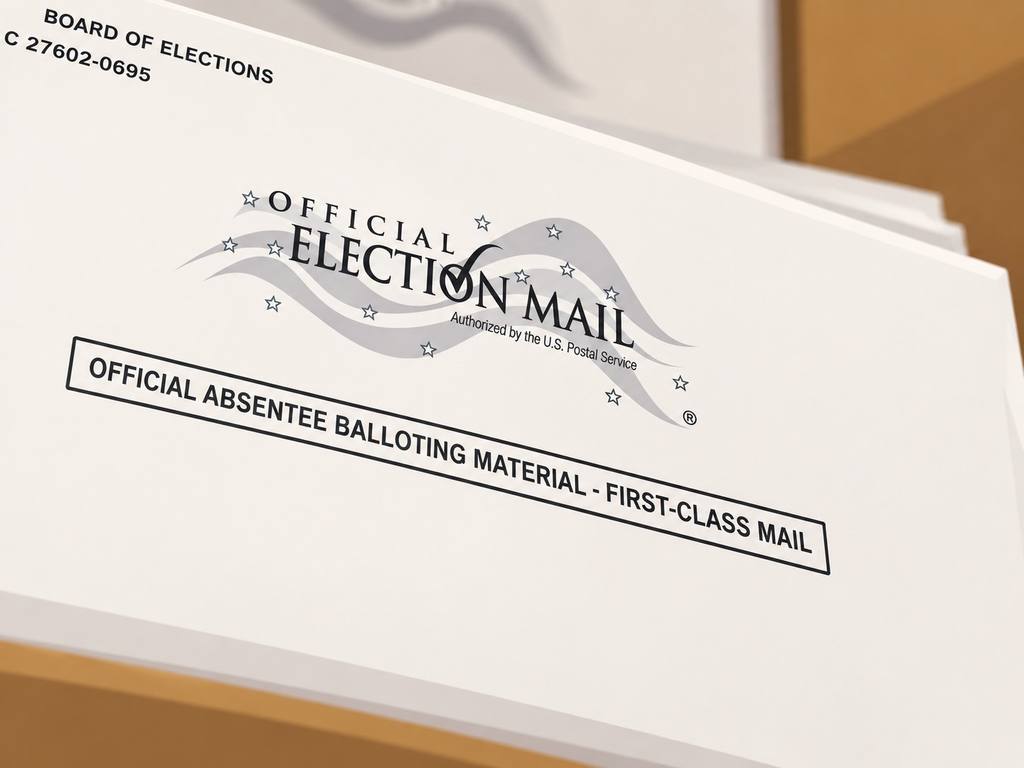
The Postal Service's August 21 rules required states to submit mail-ballot recipients' names and addresses to a federal portal and to use USPS-approved envelope designs as conditions of mail ballot delivery. Judge Indira Talwani in Boston preliminarily enjoined key parts of the rules on September 4. The administration had filed a Supreme Court application on September 3 (No. 26A297). As The 901 Report reported September 14, the Solicitor General withdrew that application on September 6, citing Talwani's new order. The same day, the government filed a new application, No. 26A305, asking the Court to stay Talwani's September 4 injunction, SCOTUSblog reported. That second application is the one the Court denied. Separately, on September 13, Judge Carl J. Nichols in the District of Columbia issued a second, independent preliminary injunction against the same rules, writing that without one there is an "increased risk that a significant number of otherwise appropriate absentee or mail-in ballots will ultimately not be counted," per OPB and the Associated Press.
The September 14 denial means both injunctions stand. Mail ballots already going out, and those to follow, will be processed under existing state procedures, with no USPS envelope pre-approval and no federal upload of voter identities. The underlying litigation over whether the rules can apply to future federal elections continues in both district courts.
Why It Matters for Memphis
The frozen rules would have required the Shelby County Election Commission's absentee envelopes to clear federal design approval and Tennessee voter data to move into a federal portal before mail ballots could go out for November 3. With the stay denied, absentee voting in Shelby County proceeds under existing Tennessee procedures, on the existing calendar.
The Oversight Question
An agency rewrote the mechanics of mail voting eleven weeks before a federal election, and it took two district courts and the Supreme Court to hold the change out of this cycle. The accountability question is now a records question: what did the Postal Service tell the courts the rules were for, and does its administrative record support it? The merits litigation will put that record in public view.
Your city. Your money. Your receipts.