Correction, October 11, 2026: An earlier version of this post said the Supreme Court fight over the mail-ballot rule ended September 6, when the government withdrew Application No. 26A297. It did not end there. The same day, the Solicitor General filed a new application, No. 26A305, asking the Court to stay Judge Indira Talwani's September 4 preliminary injunction, SCOTUSblog reported; the Court denied that application September 14. The earlier version also said 26A297 sought to stay a First Circuit ruling and that the First Circuit's ruling stands. Application 26A297 asked the Court to stay Judge Talwani's August 27 temporary restraining order, and the order blocking the rule is her September 4 preliminary injunction in federal district court in Massachusetts, per SCOTUSblog. The headline has been updated.
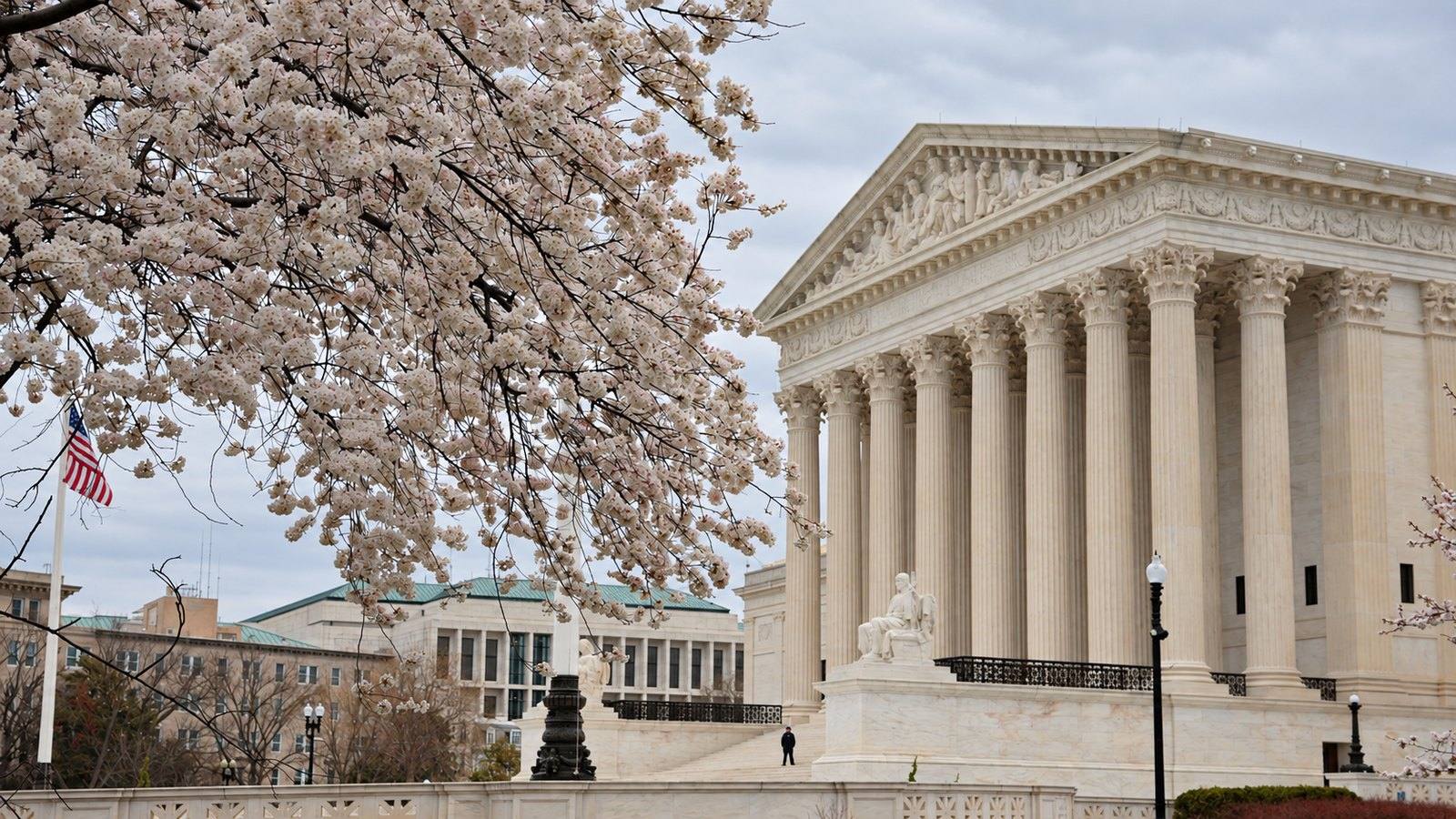
MEMPHIS, Tenn. - The emergency application The 901 Report reported as pending at the Supreme Court is over, and it did not end with an order. The Court's docket for application 26A297, United States Postal Service, et al. v. California, et al., shows a letter withdrawing the application was filed on September 6, followed the same day by the entry "Application (26A297) withdrawn."
The application, filed by the Solicitor General on September 3 and submitted to Justice Ketanji Brown Jackson as circuit justice for the First Circuit, asked the Court to stay the First Circuit ruling that declared the challenged rule unconstitutional, as The 901 Report reported on September 6 in The Ballot Rule Is Back at the Supreme Court, and the First Ballots Are Already in the Mail. Justice Jackson had ordered a response by 10 a.m. Eastern on September 8. The respondents filed their opposition to an administrative stay on September 3, California filed a letter on September 4, and two amicus briefs arrived on September 4 and 5.
Then, on September 6, two days before the response was due, the government withdrew. The docket does not state a reason.
The practical result: the First Circuit's ruling stands, and no emergency relief will change how the rule is treated as mail ballots move toward the November 3 election. The underlying litigation continues in the lower courts, and the government retains the ordinary path of a certiorari petition on the merits, but the emergency posture, filed while the first ballots were already in the mail, is finished.
The withdrawal drew no wire coverage that this newsroom could find in the eight days since. The docket entry is the record.
Why It Matters for Memphis
Election administrators in all ninety-five Tennessee counties, Shelby County's Election Commission included, plan mail-ballot handling around what the governing rule is on the day ballots move, not what it might become. With the emergency application withdrawn, the First Circuit's ruling is the settled backdrop for this cycle, and the uncertainty the prior post described is resolved 50 days before Election Day.
The Oversight Question
The government told the Supreme Court on September 3 that it needed emergency relief before ballots moved, then walked away from its own application three days later without explanation. What changed between September 3 and September 6, and will anyone say so on the record?
Update, October 11, 2026: The Supreme Court denied the government's second application, No. 26A305, on September 14, 2026, leaving Judge Indira Talwani's September 4 preliminary injunction against the Postal Service mail-ballot rule in place for the November 3 elections, according to the Court's order in United States Postal Service v. California. Justice Samuel Alito dissented, joined by Justice Clarence Thomas. Justice Brett Kavanaugh concurred, writing that applying the rule in the 2026 elections would likely be arbitrary and capricious because state and local election officials do not have enough time to implement it.
Your city. Your money. Your receipts.