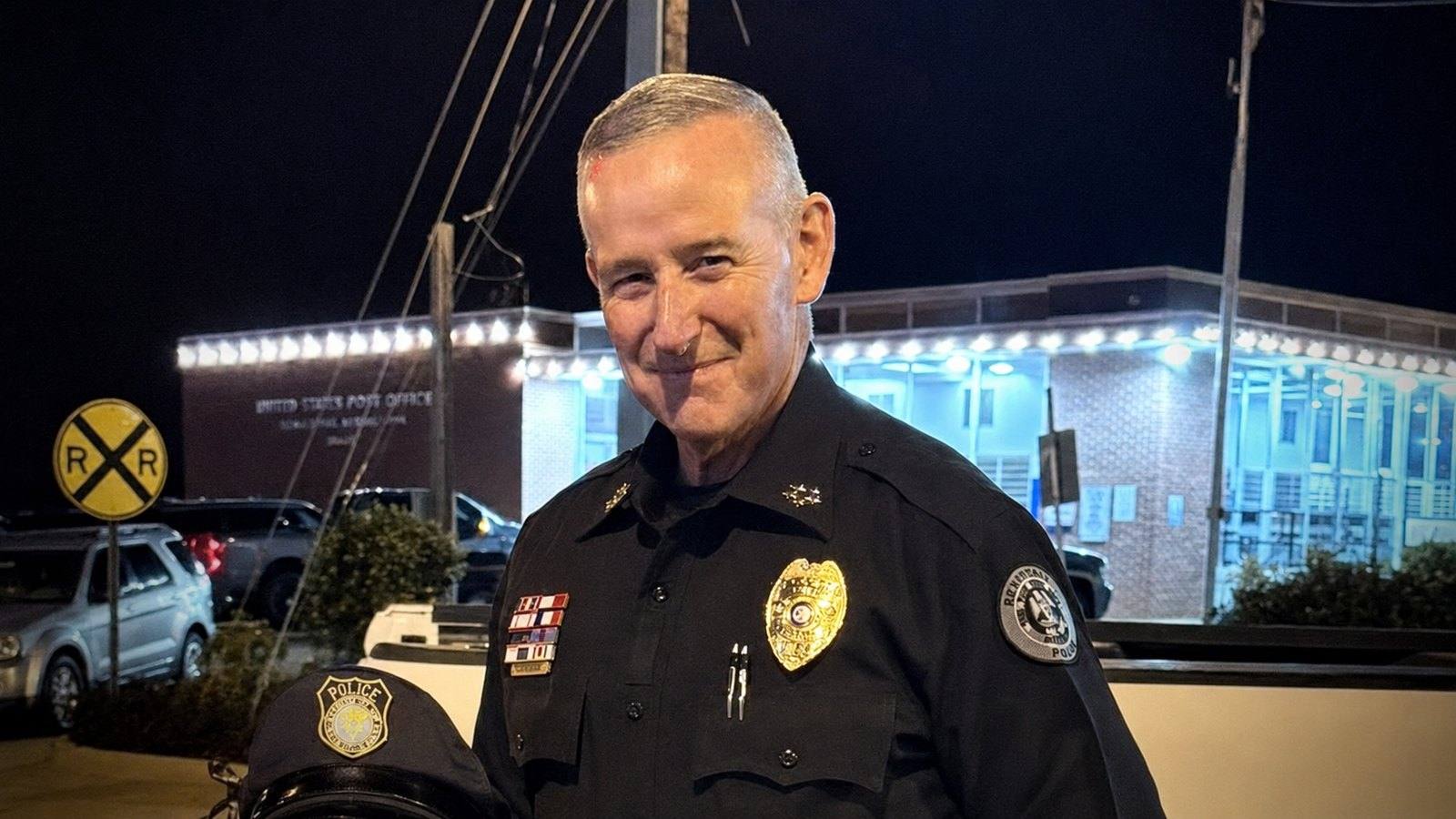
SENATOBIA, Miss. - The Senatobia Board of Aldermen voted unanimously on September 1 to fire Police Chief Harold "Hal" Vanderford, rejecting the resignation letter he had submitted, Mississippi Today reported. "We did not accept Vanderford's resignation and fired him," Alderman Chris McConnell said, per the report.
The vote reversed the board's own late-August position, when it met with Vanderford behind closed doors and backed him, the action The 901 Report covered at the time: Senatobia's Board Met With Its Police Chief Behind Closed Doors, Then Backed Him. What changed was the record: on August 31, Mississippi Today, Verite News, and The New York Times published text messages in which Vanderford used racial slurs more than a dozen times across ten conversations, with five acquaintances confirming the phone number was his, per Mississippi Today.
The department has been under scrutiny since June, when a white Senatobia officer fatally shot Kohen Wiley, a Black one-year-old, during a response to a reported shoplifting at a Walmart. Mississippi Today reported that Vanderford never publicly addressed the shooting or privately offered condolences to the family. Alderman Demetrius Garrett has also called on Mayor Greg Graves to resign; the mayor has not responded to reporters' requests for comment, per Mississippi Today.
Lt. Angelica Maze took over leadership of the department, and reporting by Memphis-market stations on September 3 said a new interim chief appointment came with a public statement. The permanent hire remains open.
No criminal charge has been reported against Vanderford, and nothing in the published record accuses him of a crime; the firing is an employment action by the town's elected board.
Why It Matters for Memphis
Senatobia sits in the Memphis metropolitan area, thirty-odd miles down Interstate 55, and its police department polices commuters and families who work and shop across the state line. The larger point travels further: a small town's elected board reversed itself in eight days, not because the underlying facts changed, but because journalists published the receipts. The closed-door meeting protected the chief; the public record ended his tenure.
The Oversight Question
Senatobia's board went behind closed doors to handle its police chief and backed him; it took three newsrooms publishing his own messages to produce a public vote. What did the board know at that closed meeting, and what does its record of the session show?
Your city. Your money. Your receipts.