MEMPHIS, August 24, 2026 - A joint ordinance of the Shelby County Board of Commissioners and the Memphis City Council rewriting the Building Home Program passed its third reading, establishing a $75 application fee for developers seeking county and city land that would be conveyed to them at no cost or low cost.
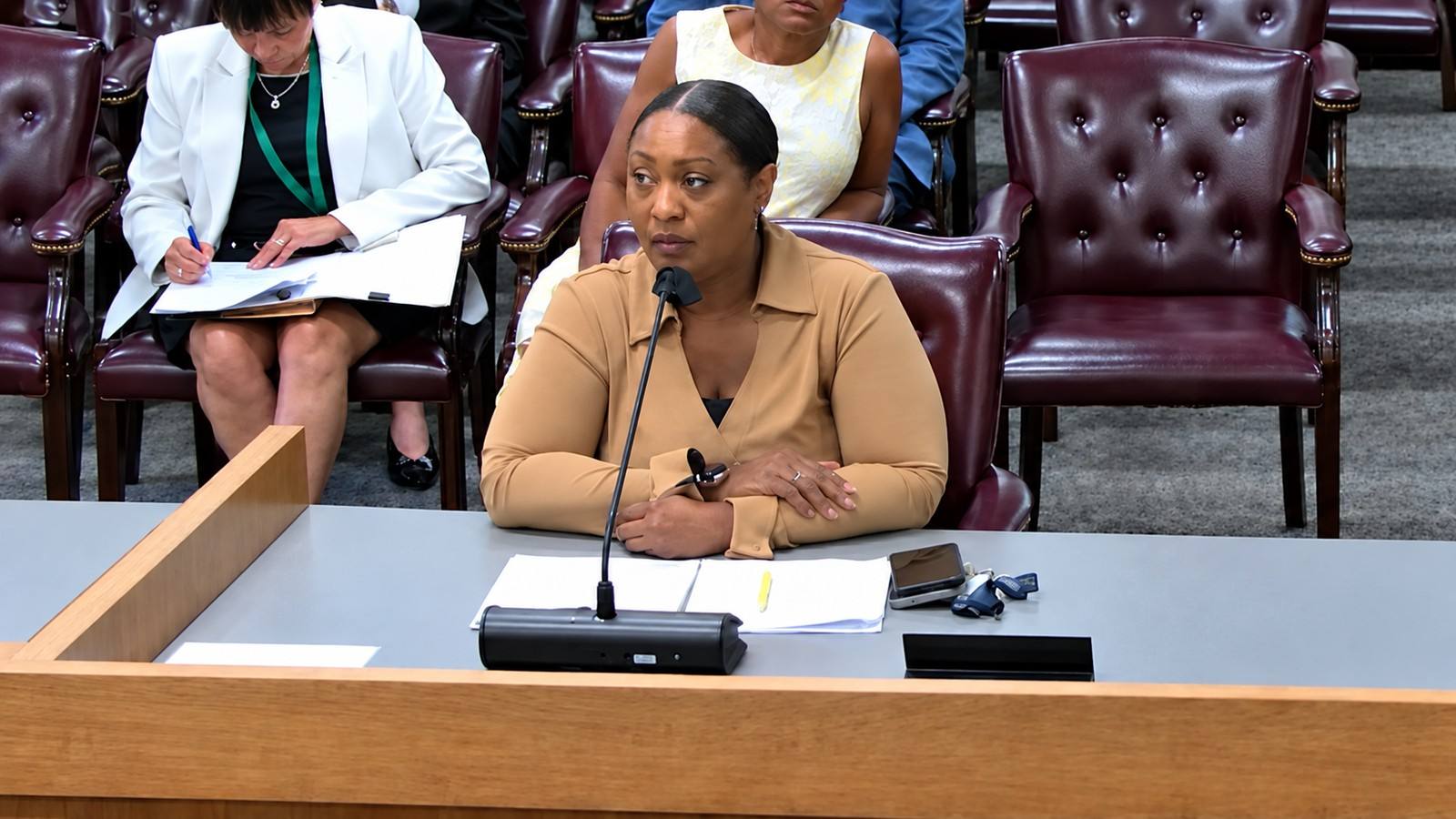
The fee amount appears nowhere in the ordinance caption filed in either agenda packet. It entered the record only because Commissioner Britney Thornton asked what the fee would be, what it pays for, and who pays it.
What the program does
The director of the Division of Planning and Development described the program in answer to Commissioner Thornton's questions.
The program targets tax-delinquent and land bank properties that are not currently activated, with the aim of incentivizing developers to build single family homes on vacant parcels that are off the tax base. Applications are graded against scoring criteria. Applicants who meet the criteria are offered the properties at no cost or low cost. Conveyance still requires a separate resolution of the Commission.
An applicant may apply for multiple parcels. The director said the program is starting at a maximum of 10 properties at one time.
Asked what the $75 fee funds, he said it would go toward future administrative items, that the department is not intending to implement it immediately, and that as the program grows and the county has to invest in software and personnel it might elect to administer the fee. He said it would not generate a large amount and would offset costs the department currently absorbs internally.
Asked whether an applicant who loses a contested parcel loses the fee, he said no, that the department would allow the applicant to move it to a different parcel.
Asked who the target audience is, he said emerging developers, and that the program website is live and the department has flyers at its service counters.
The clause read into the record
The parliamentarian's summary of the ordinance, read immediately before the vote, listed the modifications. Most are technical: a website address updated, the word warranty replaced with quitclaim deed in two sections, bracketed numerals inserted.
One is not. Under Section 5, conveyance of property, the summary states that language is added to explicitly state that the jurisdiction has the ability to waive back taxes. The added language provides that the Shelby County Board of Commissioners may waive any and all back taxes, liens and fees on subject properties, consistent with Tennessee Code Annotated section 7-66-108.
That clause was not discussed. No commissioner asked how much in back taxes the county might waive, under what circumstances, or whether the waiver is automatic on conveyance or requires a separate vote.
The context sitting on the same agenda
Eleven items earlier on the same consent agenda, the Commission approved the sale of 17 county-owned delinquent tax parcels for a combined $167,126.00. The land bank administrator had told a committee five days earlier that the sales produced a negative back tax collection of $98,999, and that 15 of the 17 parcels sold for less than the back taxes owed on them.
The record does not connect the two items, and no commissioner raised them together. They are reported here as two facts from one meeting: the county sells some tax-delinquent parcels below the taxes owed, and it has now written into a joint ordinance an explicit authority to waive those taxes entirely on parcels conveyed through a different program.
The vote
The ordinance required a majority of the full Commission, at least seven votes. Aye votes came from Commissioner Michael Whaley, Commissioner Miska Clay Bibbs, Commissioner Charlie A. Caswell, Jr., Commissioner Erika Sugarmon, Commissioner Matthew T. Szalaj, Commissioner Thornton, Commissioner Brandon G. Morrison, Commissioner Henri E. Brooks, Vice Chair David C. Bradford, Jr. and Chairwoman Shante K. Avant. Ten aye votes.
Commissioner Sugarmon and Commissioner Thornton each moved to be added as sponsors and were, without objection.
Because the ordinance amends a joint city and county code, it also requires approval by the Memphis City Council.
What happens next
The record shows the ordinance was adopted on third reading and that it also requires approval by the Memphis City Council to take effect as a joint ordinance. The director told the Commission the program website is live and that flyers are available at department service counters. He said the department would target emerging developers once the ordinance clears.
Your city. Your money. Your receipts.