A $520 Million Pipeline, 20 Percent Rate Hikes, and 35,000 Customers With No Vote
The Tennessee Local Development Authority unanimously approved Columbia's $315 million federal financing request on August 24, 2026. The county ratepayers helping pay for the project elect nobody who sets their rates.
Residents fill the Columbia City Council chambers in Columbia, Tennessee, during a public meeting on proposed water-rate increases tied to the city's $520 million water infrastructure project.
Share
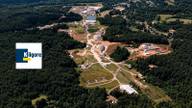
MEMPHIS, Tenn. - The state cleared the financing. On Monday, August 24, 2026, the Tennessee Local Development Authority unanimously approved Columbia's request to issue $315 million in federal WIFIA debt on equal priority with a State Revolving Fund loan, a structure that saves roughly $50 million in interest over the life of the project, per the Tennessee Lookout. The money finances a $520 million water intake pipeline and treatment plant drawing on the Duck River in Southern Middle Tennessee.
The funding plan behind it, per the Lookout: water rate increases of up to 20 percent annually over five years, higher developer impact fees, and long-term low-interest federal and state loans.
The accountability question is who pays and who votes. Columbia Power and Water Systems is a city utility whose rates are approved by the Columbia City Council. It serves about 27,000 customers inside the city and sells water to systems serving roughly 35,000 more people outside it. Those outside customers, per the Lookout, already pay higher rates than city customers and will help pay for the pipeline without electing anyone who approved it.
Dustin Kittle, an agricultural and environmental attorney representing property owners along the pipeline route, put it this way, per the Lookout: county ratepayers "will be paying more for this pipeline than what people inside the city will, and the ironic part of that is the county ratepayers won't have any stake in that at all. This will be an asset that will belong to the city."
The project has cleared its local votes: the Columbia City Council approved it in January 2026 after intense debate, and the Duck River Watershed Planning Partnership approved it 12 to 2 with three abstaining, per the Lookout.
Why It Matters for Memphis
Memphis knows this governance shape. MLGW is a city-owned utility whose board answers to Memphis government while its service and its bills reach across Shelby County, a structure The 901 Report has covered directly. Columbia's version is now attached to a half-billion-dollar asset and five years of compounding rate increases, which makes it a working example of what happens when the people paying for a utility's biggest bet are not the people its board answers to. The material differences are real: MLGW's scale is far larger and its rates cover all customers under one structure. The governance question is the same.