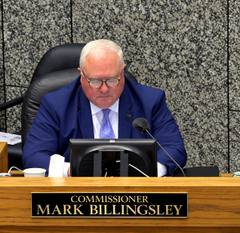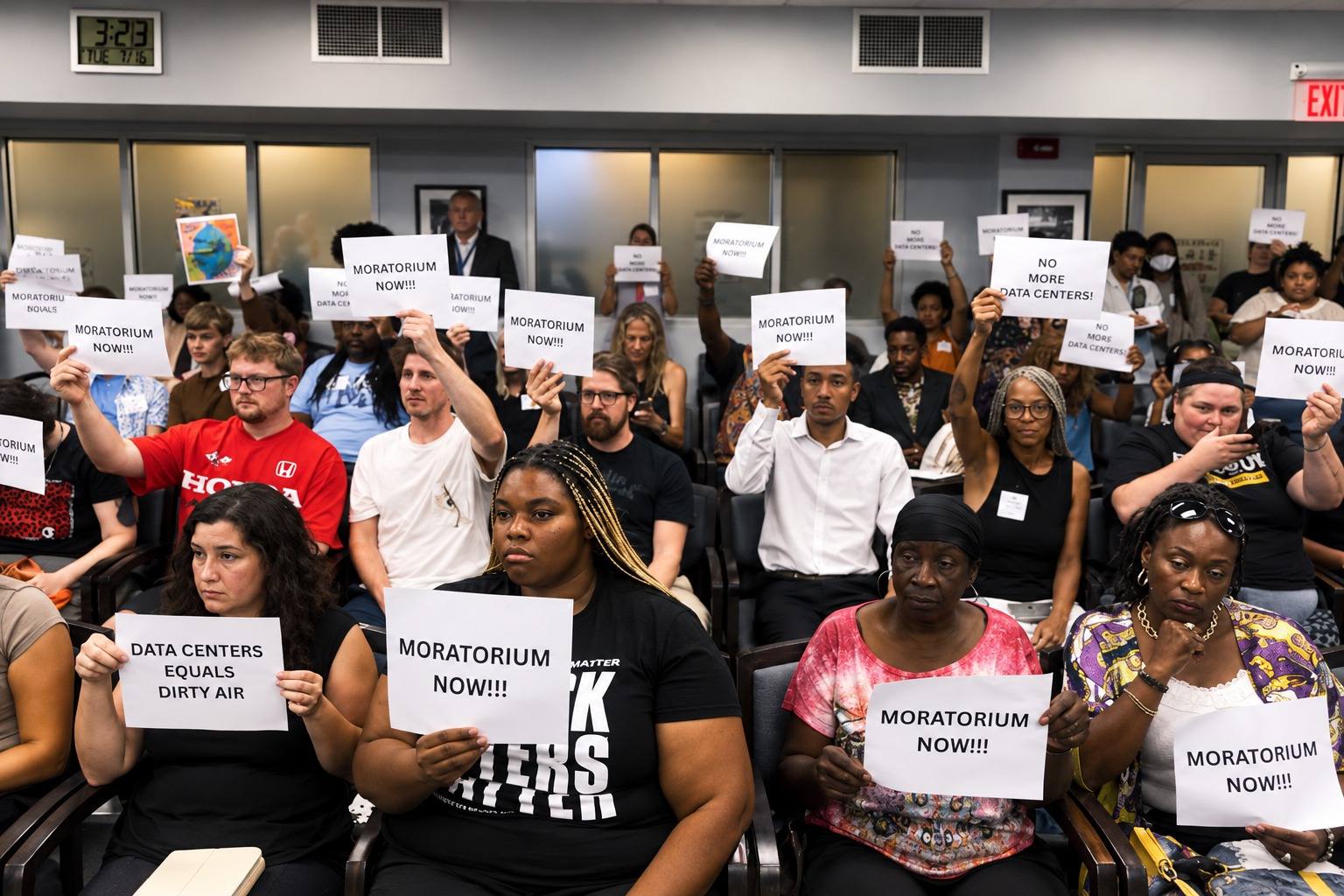
MEMPHIS, Tenn. - The first court challenge to a data center moratorium in Tennessee has failed, at least in its opening round, and the ruling arrives eight days before Memphis City Council votes on a moratorium of its own.
U.S. District Judge Eli Richardson of the Middle District of Tennessee dismissed data center developer DC BLOX's nine-count lawsuit against Metro Nashville in an order entered October 6, 2026 and reported October 7 by WSMV and NewsChannel 5. Richardson dismissed three federal counts without prejudice and gave the company 21 days, until October 27, 2026, to file an amended complaint fixing the deficiencies the court identified. WSMV reported the court also denied the company's request for a preliminary injunction. The order denied that request as moot, without prejudice to a renewed request if the company timely reasserts any of those three counts.
DC BLOX sued in August 2026 after Metro Nashville imposed a temporary moratorium on data center permitting and halted permit processing for the company's proposed facility on Grassmere Park Drive, next to the Nashville Zoo. The company had invested roughly $23 million to acquire two parcels totaling about 23.49 acres at 648 and 650 Grassmere Park Drive, according to NewsChannel 5. Its complaint carried four federal constitutional claims, for substantive due process, equal protection, procedural due process, and takings, plus five claims for declaratory relief covering pre-existing use, vested permits, the moratorium's validity, and state-law preemption.
The court's reported reasoning matters as much as the outcome. On equal protection, Richardson found that RadiusDC, the other data center developer DC BLOX said Metro treated more favorably, was not similarly situated, because Nashville's moratorium covers zoning, grading, and building permits but not the trade permits at issue. On the property-rights claims, the court found the complaint unclear about what specific property interest Metro had taken away. And the five declaratory claims turning on Tennessee law, including the preemption question, were dismissed with the court saying state courts are better suited to decide them, leaving DC BLOX free to pursue those claims there.
Metro Councilwoman Courtney Johnston, whose district includes the site, said Metro has the right and responsibility to determine appropriate land uses, and that DC BLOX "had every right to challenge those decisions in court. They did. This was the result," per WSMV.
Why It Matters for Memphis
Memphis City Council postponed a final vote on its own data center moratorium 7 to 5 on October 6 and rescheduled it for October 20, 2026, while Mayor Paul Young signed an executive order on October 9 commissioning a 90-day study of data center impacts. The Nashville ruling is the closest thing Memphis has to a preview of the litigation its ordinance would face from a developer with sunk costs, and the early lessons cut in the city's favor: a federal court declined to block a Tennessee moratorium at the pleading stage, rejected the first equal-protection theory offered against it, and pushed the state-law preemption question, the most dangerous claim for any Tennessee city regulating data centers, out of federal court entirely. The ruling does not settle the moratorium's legality on all grounds, and an amended complaint or a state-court preemption case could still land differently.
The Oversight Question
Memphis council members will cast an October 20 vote whose legal risk has now been partially priced by a federal judge in Nashville. Will the Council's legal staff put an analysis of the DC BLOX ruling in front of members before they vote, and will the public get to see it?
Your city. Your money. Your receipts.