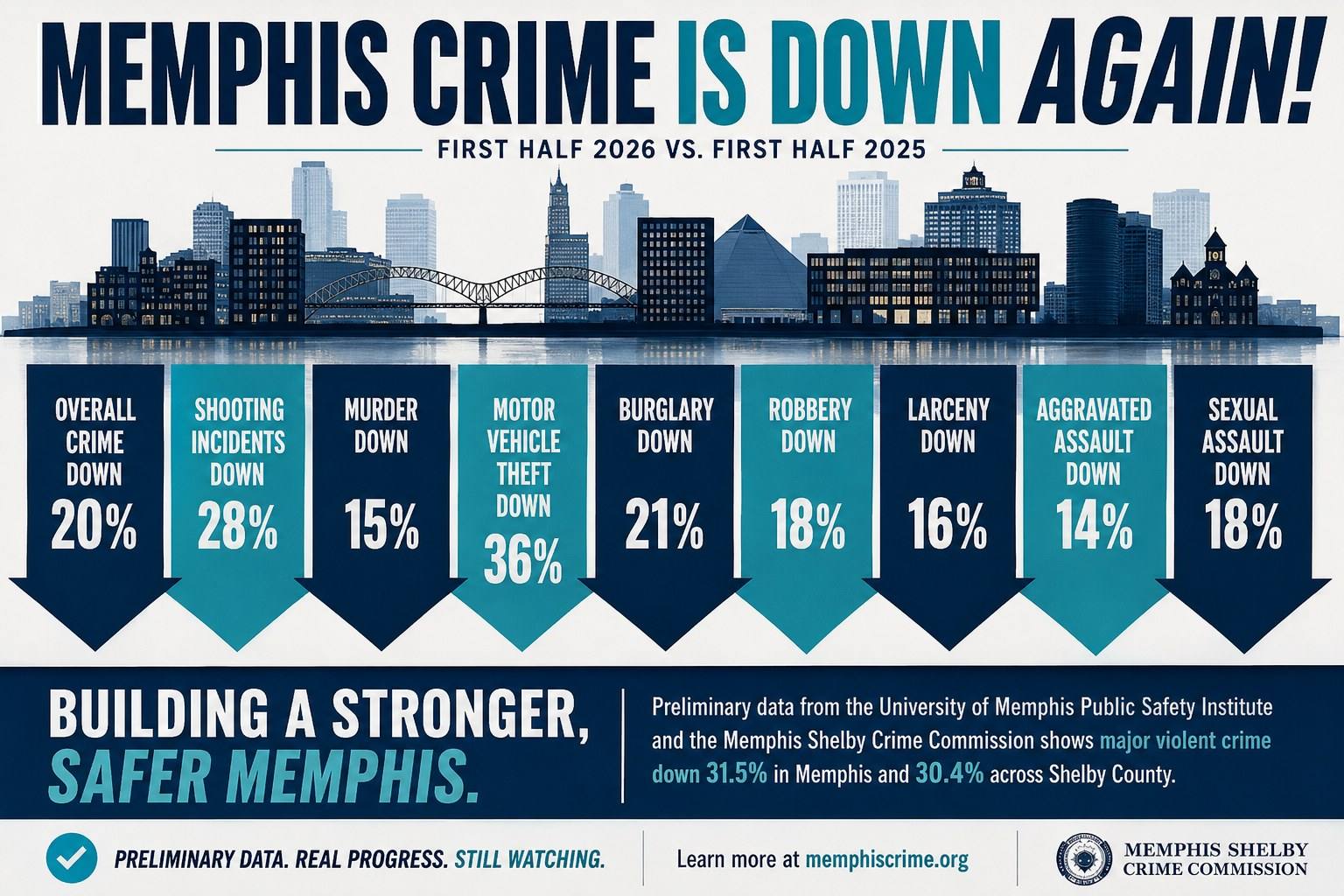
MEMPHIS, Tenn. - Major violent crime in Memphis fell 31.5 percent in the first half of 2026 compared with the same period last year, according to a report released this week by the University of Memphis Public Safety Institute and the Memphis Shelby Crime Commission.
The report draws on preliminary data submitted by law enforcement agencies to the Tennessee Bureau of Investigation's Tennessee Incident-Based Reporting System. Across Shelby County, the major violent crime rate fell 30.4 percent. Every category of violent crime declined.
Overall crime, which the Crime Commission defines as all Group A offenses tracked by the TBI, fell 23.8 percent in Memphis and 23.7 percent countywide. Reported offenses in Memphis dropped from 48,109 in the first half of 2025 to 36,719 this year. In Shelby County overall, the count fell from 55,292 to 42,256.
Major property crime overall fell 40.6 percent in Memphis and 40.2 percent countywide. Property crime in the report covers burglary, vehicle theft and other felony thefts.
Two categories moved very differently from each other. Firearm offenses fell 5.7 percent in Memphis and 5.9 percent countywide. Domestic violence offenses fell 35.1 percent in the city and 34.8 percent countywide, though the report notes the difficulty of gathering accurate data on offenses that occur in the home, behind closed doors.
Violent crime peaked in Memphis in 2023. Measured against the first half of that year, the violent crime rate is down 45.0 percent in the city and 44.0 percent across Shelby County. The report puts violent crime at a 15-year low: the city rate is 5.2 percent below 2011, and the countywide rate is 8.7 percent below 2011, the year that had held the lowest violent crime rate in recent years.
Bill Gibbons, president of the Memphis Shelby Crime Commission and executive director of the Public Safety Institute, said the community should be encouraged by the progress and has consistently urged that prevention strategies and funding be maintained rather than trimmed as numbers improve.
Why It Matters for Memphis
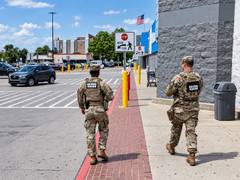
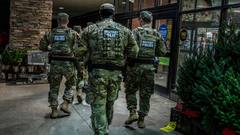
These are the numbers that will be cited in budget hearings, in campaigns and in arguments about the federal Memphis Safe Task Force. It matters that Memphians understand what they measure and what they do not.
Two things are true at once. The declines are large, they span every major category, and they are consistent across two separate reporting bodies. And the data is preliminary, drawn from initial incident reports that agencies submit and later correct.
Memphis has documented reasons to treat a preliminary count as a starting point. The Public Safety Institute's own methodology excludes negligent and justifiable homicides from the murder count, so an initial classification can move as cases are reviewed. The gap is measurable: for 2023, MPD counted 342 murders and 399 homicides, while TBI counted 348 murders. That is not a scandal. It is how incident-based reporting works, and it is why a preliminary figure is a starting point, not a scoreboard.
The Crime Commission notes on its own methodology page that its figures sometimes differ from those released by individual agencies, including MPD, because of source and timing differences. Anyone comparing an MPD press release to this report should expect the numbers to diverge slightly.
Accountability Watch
- Who is accountable: The Memphis Shelby Crime Commission and the University of Memphis Public Safety Institute, which published the figures, and the Memphis Police Department, which submits its incident data to the TBI
- What is pending: Confirmation of the preliminary first-half figures against final TIBRS data, including any reclassifications
- When: Report released the week of July 20, 2026; full-year figures follow the close of 2026
- Status: Preliminary as of July 26, 2026
- How to verify: The Crime Commission's published statistics and methodology at memphiscrime.org, and TBI TIBRS data releases