Memphis schools just handed the next board a financial fire drill.
At $1.7 billion, the Memphis-Shelby County Schools 2026-27 budget is not just a spending plan - it is a stress test for classrooms, staffing, and school stability as a new state-appointed board prepares to take over. The headline number sounds massive. The real story is whether it is enough to keep the system steady when pressure is coming from enrollment shifts, staffing needs, and a state takeover that changes who gets to make the hardest decisions.
What happened
MSCS has released its proposed budget for the coming school year, and the number is already forcing a bigger civic question: where does the district find room to absorb rising costs without pushing the pain onto students, teachers, and families?
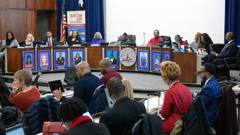
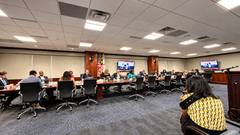
This is where the political shift matters. A new state-appointed board is set to take over governance, which means the people making the next round of decisions will not be the same officials who have spent months explaining the current fiscal strain. That matters because budgets are never just spreadsheets - they are priorities with a signature line.
One line from the moment sums up the stakes:
> "A $1.7 billion budget only works if the public can see exactly what it protects, what it trims, and what it delays."
For Memphis parents, that translates into concrete questions: Will staffing hold? Will support services be preserved? Which schools are most exposed if the district has to tighten spending midstream?
The timing also puts pressure on county and state leaders who shape the school system’s fiscal runway. If the district is entering 2026-27 with unresolved needs, then the burden shifts to the officials approving the final plan - and to the state, which is now exercising more direct control over the system’s future.
Why this matters for oversight
The responsible agencies and officials here are Memphis-Shelby County Schools, the new state-appointed school board, and the state leaders overseeing the transition. For neighborhoods across Shelby County - especially families whose schools already feel stretched - the oversight question is simple: What in this budget is being protected, what is being quietly reduced, and who is accountable if the numbers do not cover the real cost of educating Memphis kids?
That question should not wait until the final vote. Residents should be asking for a line-by-line explanation of where the money goes, which programs are insulated from cuts, and what assumptions would force the district back to the drawing board later in the year. If the board inherits a budget that is balanced only on paper, the public deserves to know that now, not after staffing decisions have already been made.
The broader civic issue is trust. Memphis has seen too many moments where families are told the system is stable right up until the point it is not. A budget of this size should come with plain English: what gets covered, what gets deferred, and what happens if enrollment, staffing, or state funding shifts again.