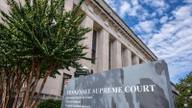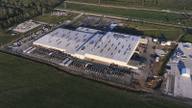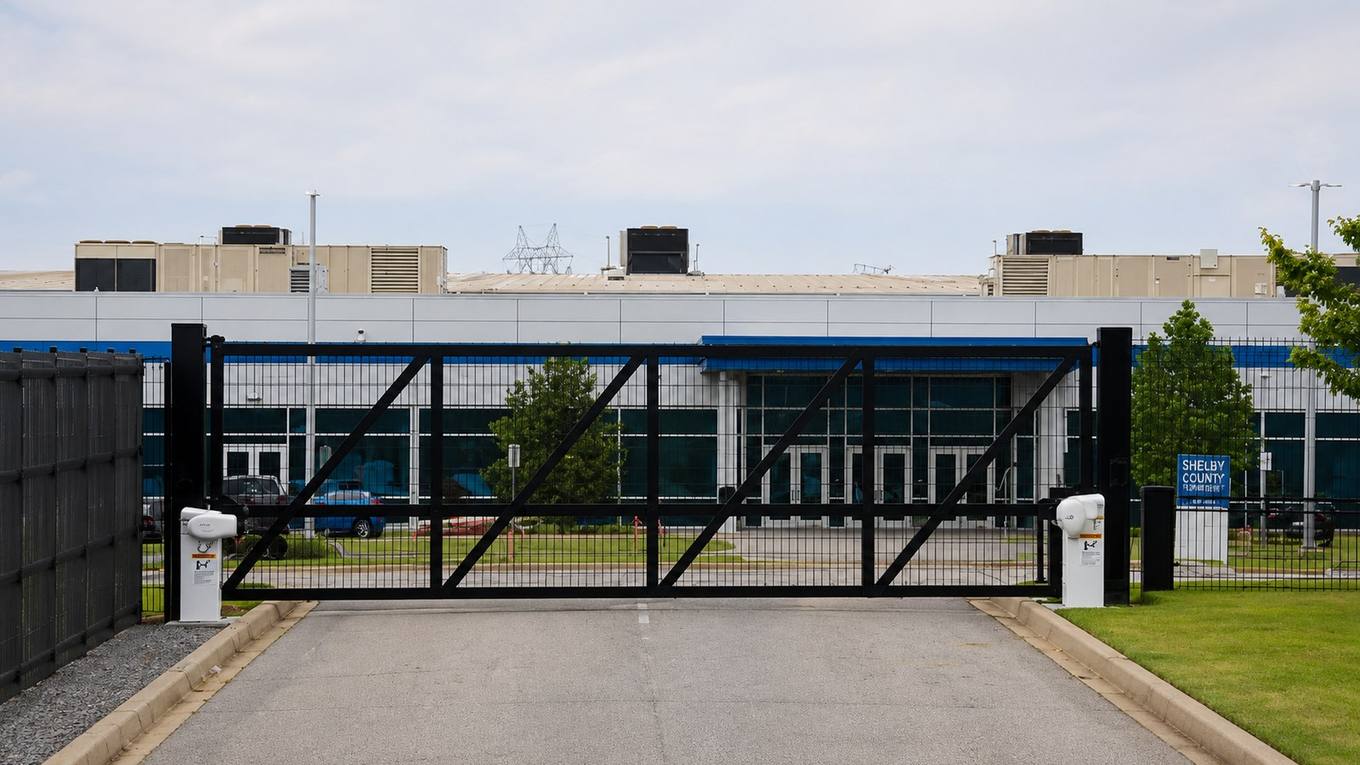
MEMPHIS, Tenn. - The ranking member of the House Energy and Commerce Committee has demanded a tour of the Colossus data center facilities in Memphis, citing what he described as a health risk to neighboring communities from off-grid gas turbines operated without proper permits and pollution controls.
Separately, the United States Department of Justice has moved to intervene in the Clean Air Act lawsuit brought against the company on behalf of the NAACP. In its motion, the department argues that the underlying technology has been used in American military operations and that the litigation threatens national, economic and energy security.
The allegations in that suit have not been decided by any court, and the company is entitled to contest them.
Two federal postures at once
The notable thing here is not either action alone. It is that the federal government is arriving in Memphis from two directions at the same time.
A congressional committee is asserting an oversight interest in facilities inside the city and asking to see them. The executive branch, through the Justice Department, has entered private litigation over those same facilities on the side of their operator, invoking national security.
Congressional oversight requests are not self-enforcing. A committee's ranking member, in the minority, has no unilateral subpoena power. A demand for a site visit is a request that the recipient may decline, and declining carries no immediate legal consequence.
A Justice Department motion to intervene, by contrast, is an action with direct effect on a live case. If granted, it puts the United States in the litigation as a party.
Why It Matters for Memphis
The facilities are in Memphis. The turbines are in and near Memphis and Southaven neighborhoods. The residents raising nuisance and health complaints live here. The utility serving the load is municipally owned.
Yet essentially every decision-making body in this paragraph sits somewhere else: a congressional committee in Washington, a federal district court in Mississippi, an environmental agency in Jackson, and a Justice Department that has taken a position on the company's behalf.
That is the accountability problem this newsroom keeps arriving at from different directions. On the liens it is a corporate structure question. On the turbine timeline it is a jurisdictional question about a Mississippi agreed order. Here it is a question of which federal actor, if any, answers to a Memphis resident.
The company's position and the department's are entitled to be stated fairly. The company has committed to removing the turbines by July 2027 and to replacing them with a permitted plant. The department's national security argument is a recognized ground for intervention and is not a novel or improper thing for the United States to assert. Neither is evidence of wrongdoing by anyone.
Accountability Watch
Who is accountable: The House Energy and Commerce Committee, which made the request. The United States Department of Justice, which moved to intervene. SpaceXAI, which operates the facilities. The Tennessee congressional delegation, which has not publicly joined the access request.
What is pending: A response to the committee's access request, and a ruling on the Justice Department's motion to intervene.
Timeline: Committee access demand reported July 29, 2026. Justice Department motion to intervene filed 2026 in the Clean Air Act case. Turbine removal stated to run August 2026 through July 2027.
Status as of August 3, 2026: No site visit confirmed. No ruling on intervention identified.
How to verify: House Energy and Commerce Committee correspondence is published on the committee's minority website. The docket in the Clean Air Act case is in the United States District Court for the Northern District of Mississippi and will show the motion to intervene and any ruling on it.