Correction, October 11, 2026: An earlier version of this post said Judge Indira Talwani issued the preliminary injunction on September 5, three days before the Supreme Court response deadline and 59 days before the election. She issued it late on Friday, September 4, 2026, four days before the September 8 deadline and 60 days before the November 3 election, according to States Newsroom and SCOTUSblog.
MEMPHIS, Tenn. - U.S. District Judge Indira Talwani on Friday, September 4, issued a preliminary injunction blocking the U.S. Postal Service's new mail-ballot rule for the life of the litigation, ruling that the restrictions are unconstitutional, per States Newsroom and PBS NewsHour. The order converts the fourteen-day block she issued August 27, which was days from expiring, into an injunction with no built-in end date, and it lands four days before the government's responses deadline in the emergency application it filed at the Supreme Court on September 3.
The 901 Report covered that application, docketed as No. 26A297, when the Justice Department filed it: The Ballot Rule Is Back at the Supreme Court, and the First Ballots Are Already in the Mail. The Supreme Court set responses for Tuesday, September 8, at 10 a.m. EDT.
Talwani wrote that the rule, which implements President Donald Trump's March 2026 executive order on election procedures, infringes on the states' constitutional power to administer elections and on Congress's power to legislate election policy, and that it would disenfranchise voters who depend on mail voting while handing states a task she has described as impossible on the timeline, per States Newsroom. The Justice Department appealed to the First Circuit the same day, per NBC News.
Postmaster General David Steiner has defended the rule as a modest mail regulation rather than an election regulation, noting the Postal Service would not edit voter lists, per States Newsroom.
The ruling arrived 60 days before the November 3 midterm elections, with the first states already sending mail ballots to voters.
Why It Matters for Memphis
Nothing about Shelby County's mail-ballot operation changes while the injunction stands: envelope designs and county processes for the November 3 election stay as they are. That holds only as long as the Supreme Court leaves the injunction in place. If the justices stay it after the September 8 responses, the Postal Service's envelope-design and voter-data requirements would reach every Tennessee county election commission, Shelby County's included, roughly eight weeks before Election Day.
The Oversight Question
A district judge has now held, on a full preliminary-injunction record, that the rule is unconstitutional. If the Supreme Court lets the rule take effect anyway, it will do so on emergency papers, without briefing on that merits finding. Who explains to a Shelby County voter whose ballot envelope is suddenly nonconforming which court's answer counted?
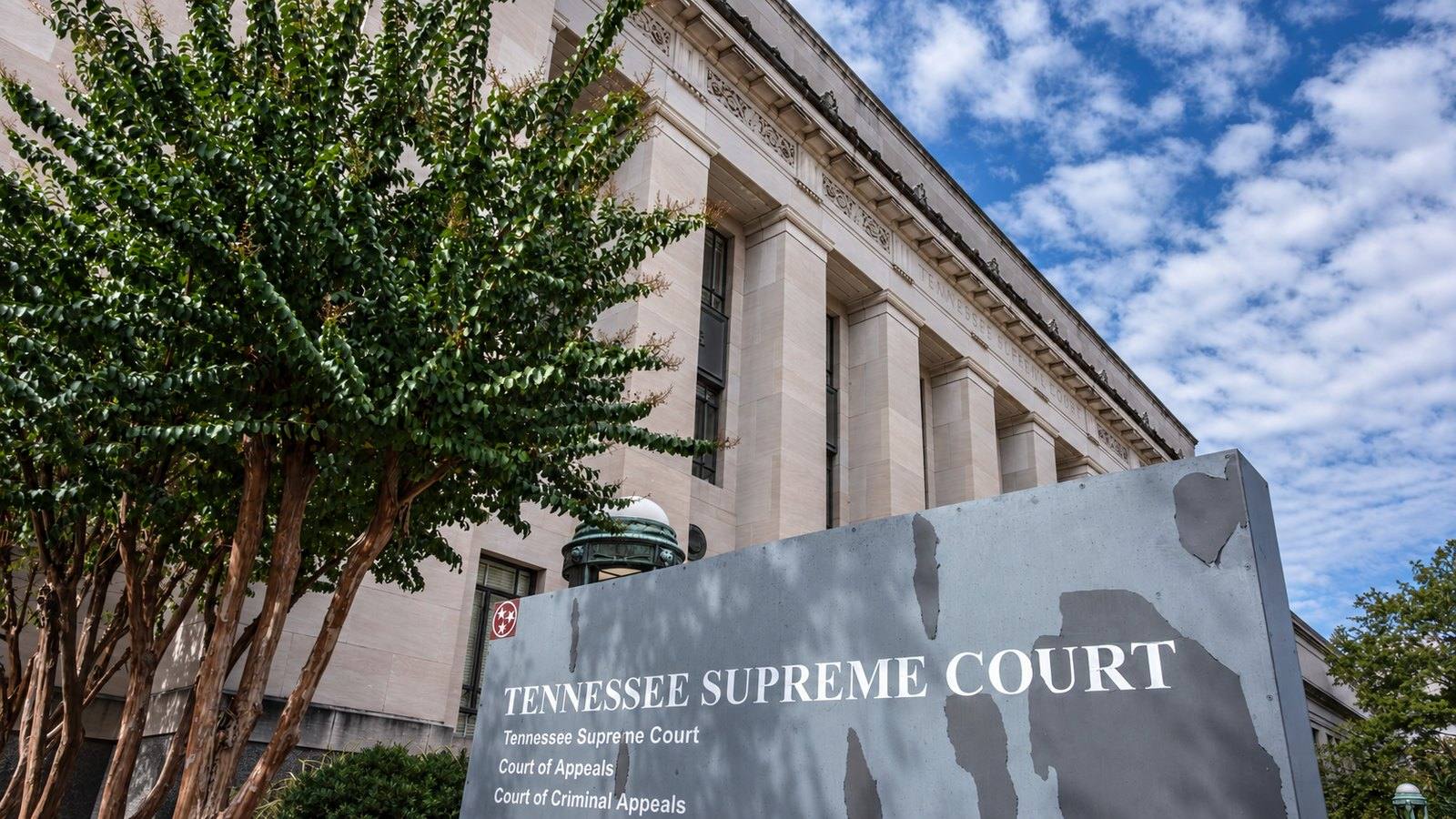
Update, October 11, 2026: On September 6, 2026, the Solicitor General withdrew Application No. 26A297 and, the same day, filed a new application, No. 26A305, asking the Supreme Court to stay Judge Indira Talwani's September 4 preliminary injunction, SCOTUSblog reported. The Court denied that application on September 14, with Justice Samuel Alito dissenting, joined by Justice Clarence Thomas, according to the Court's order. The injunction stays in place, and the Postal Service rule does not apply to the November 3 elections.
Your city. Your money. Your receipts.