One Injunction Left: The Supreme Court Clears Half the Path for the Federal Ballot Rule
The August 24 order lifted the first of two injunctions blocking the mail-voting executive order. The Postal Service has already published the finished 95-page rule and says it will move the moment the courts step aside. Shelby County's absentee operation is what it would land on.
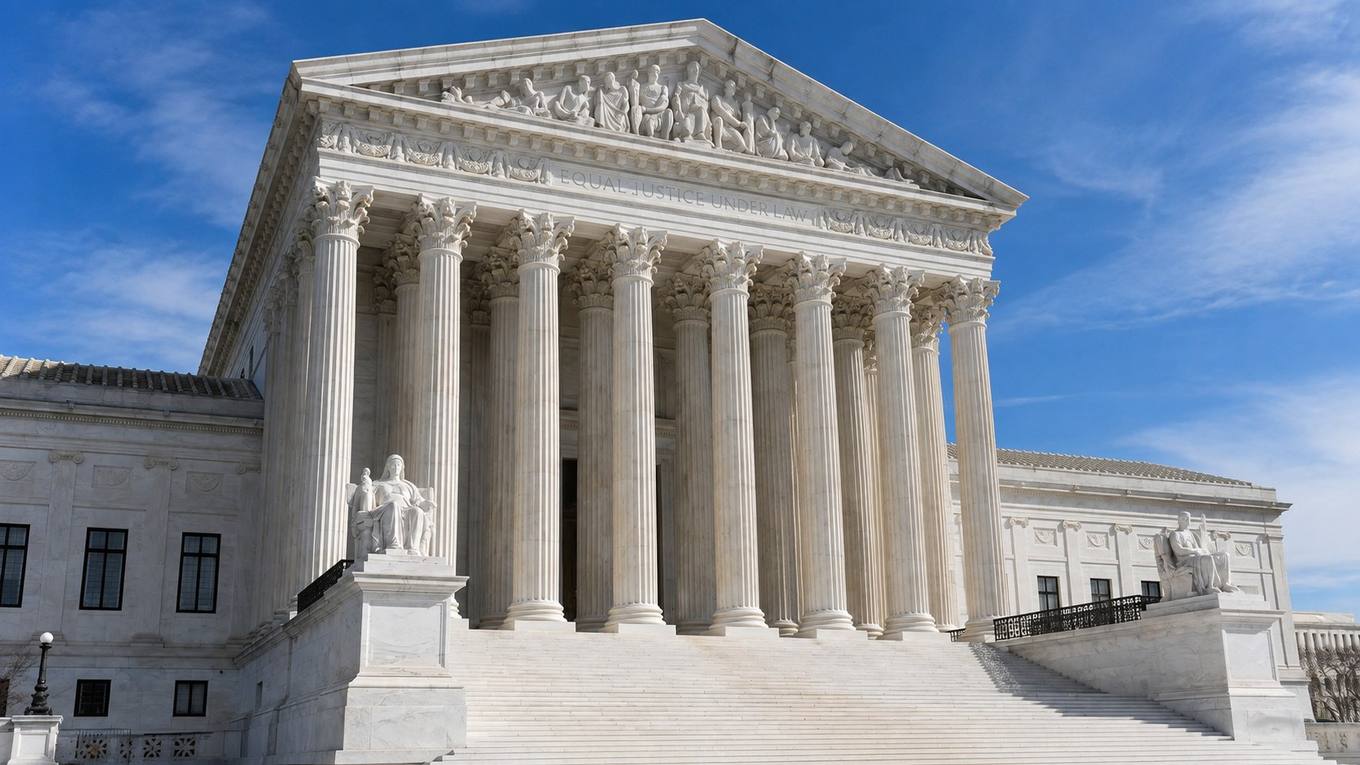
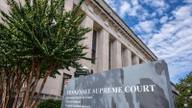
The U.S. Supreme Court Building in Washington, D.C.
Share
MEMPHIS, Tenn. - The wall between a finished federal ballot-verification rule and the November 3 election got half as thick on Monday, August 24, 2026.
The Supreme Court lifted Judge Indira Talwani's June 25, 2026 injunction against President Trump's mail-voting executive order, ruling in an unsigned decision in Trump v. California that her initial stay was premature, Votebeat reported. The order split the court along ideological lines. The majority wrote that "time will tell" whether the administration's implementation measures would be lawful.
Justice Ketanji Brown Jackson dissented, warning that the order risks a "Kafkaesque nightmare" injecting "chaos and uncertainty into the upcoming midterm elections." Justice Sonia Sotomayor wrote a separate dissent joined by Justice Elena Kagan.
One barrier remains. Talwani's second injunction, issued August 11, 2026 in the League of Women Voters case, still prohibits the Postal Service from implementing the order's mail-voting provisions for any election through November 3, in every state. The Supreme Court's August 24 order did not touch it. In issuing it, Talwani wrote that the executive order was "causing confusion and threatening both increasing chaos and an erosion of trust in our democracy."
What the rule actually requires
The regulation at issue runs 95 pages. It would require postal employees to verify that every outbound ballot mailing from an election office meets new envelope, barcode, and data-reporting requirements before the Postal Service accepts it, according to an August 23 explainer by Time. The Postal Service issued the final version on Friday, August 21, 2026, per Votebeat, while stating it will not implement it for the November election unless the Supreme Court clears the way.
The rule implements the President's March 31, 2026 executive order on election procedures, which directed the Department of Homeland Security and the Social Security Administration to compile lists of adult citizens and required the Postal Service to establish state-specific lists of intended ballot recipients, with unique identifiers on ballot envelopes.
The challengers include a 23-state coalition, the ACLU, the League of Women Voters, the Association of Americans Resident Overseas, and the U.S. Vote Foundation. Available reporting does not list Tennessee among the plaintiff states. The August 11 injunction covers every state through November 3 regardless of who sued.
Separately, Talwani has demanded immediate answers from the administration over reporting that the Postal Service moved ahead with preparations despite her orders, per Law and Crime. Voting rights groups and the plaintiff states are expected to return to court quickly to challenge the final rules, per Votebeat, and further litigation is expected within weeks.
Why It Matters for Memphis
The Shelby County Election Commission mailed roughly 700 absentee ballots missing races in July 2026, then left four judicial races off about 300 early-voting ballots in August, the second time the same races were dropped, and its "isolated error" explanation is publicly disputed by the NAACP and the county Democratic Party. If the last injunction falls, a federal acceptance checkpoint lands on exactly that operation in the middle of the November 3 cycle. The margin for error in the county's absentee mailing calendar would shrink at the moment its error rate is a live public question.