The Federal Government Is About to Halve What It Pays States to Run SNAP. Tennessee Picks Up the Rest.
A proposed USDA rule would cut the federal share of SNAP administrative costs from 50 percent to 25 percent starting in fiscal year 2027, shifting an estimated $16.9 billion onto states over five years. The comment period, extended to September 8, is still open. The fiscal year turns October 1.
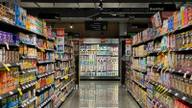
A "We Accept EBT" sign displayed in a grocery store window.
Share
Correction, October 11, 2026: An earlier version of this post said the state's share of SNAP administrative costs "doubles" and referred to a "doubled administrative burden." The federal share is cut in half, from 50 percent to 25 percent, so the state's share rises from 50 percent to 75 percent, an increase of one half, not a doubling, per the USDA proposed rule published in the Federal Register on June 24, 2026.
MEMPHIS, Tenn. - The paperwork that decides whether a Shelby County family keeps its food assistance is about to get more expensive for Tennessee to process, and the state has five weeks.
The United States Department of Agriculture published a proposed rule on June 24, 2026 that would reduce the federal share of SNAP administrative costs from 50 percent to 25 percent beginning in fiscal year 2027. The change implements Section 10106 of Public Law 119-21, the One Big Beautiful Bill Act of 2025, which amended the Food and Nutrition Act of 2008.
The department's own regulatory analysis puts the transfer plainly. "The Department estimates the total decrease in Federal administrative spending associated with this proposed rule to be approximately $16.9 billion over FYs 2027 to 2031, averaging $3.4 billion per year," the rule states. "Concomitantly, State administrative spending to implement this proposed rule is estimated to increase by a total of $16.9 billion over FY 2027 to FY 2031, or an annual average of $3.4 billion."
Not every category moves. The rule preserves the existing 50 percent reimbursement for SNAP Employment and Training administrative costs and related participant expenses, and the 75 percent rate for state agencies and tribal organizations administering SNAP on reservations.
Written comments were originally due August 24, 2026; USDA extended the comment period to September 8, 2026 in a notice published August 17. The rule remains proposed, not final. Fiscal year 2027 begins October 1, 2026.
The timing lands on a state that has just shed a large share of its caseload. Tennessee had 87,275 fewer SNAP participants in July 2026 than in July 2025, a 12.5 percent decline, with Shelby County alone down 17,905 people, per the Memphis Flyer's analysis of Tennessee Department of Human Services data. Advocates attribute much of that decline to expanded work requirements, eligibility changes, paperwork problems, and agency errors rather than to improved household circumstances.
Administrative costs are what a state spends processing applications, conducting redeterminations, verifying work requirements, and correcting its own errors. Those are the same functions advocates say are driving people off the rolls.
Why It Matters for Memphis
Shelby County holds a large share of Tennessee's SNAP population, and the county's monthly benefits already fell from $33.8 million to $29.7 million over the year. Nothing in this rule changes what a family receives. What it changes is who pays to run the system that decides whether they receive it, and the state's share rises by half, from 50 to 75 percent, at the moment its caseload processing is already under scrutiny. A state facing a larger administrative bill has three options: spend more, process less, or push cases through faster. Two of those fall on applicants.