The committee advanced it on two votes. Five days later the sponsor moved to suspend the rules so the Commission could hear it, and the chamber went silent.
MEMPHIS, August 24, 2026 - A resolution appropriating $270,000 in opioid settlement money as $30,000 grants to each of nine community-based organizations in County Commission District 10 never came to a vote at the Shelby County Commission's final meeting of its term. The motion to suspend the rules and place it before the body failed for lack of a second.
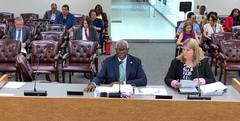
The item had come to Committee 1, Budget and Finance, on August 19 as an add-on. Before it could be read, the parliamentarian told the committee it had not gone through legal or finance review and was missing other required items, so a suspension of the rules would be needed for it to be properly before the body. Commissioners suspended the rules without objection that day and advanced the item on two aye votes and four abstentions.
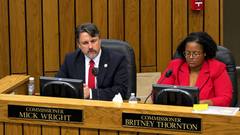
On August 24 the same procedural step failed. The parliamentarian read the caption, noted again that the item did not meet the requirements of the permanent rules, and said a substitute existed. Commissioner Britney Thornton moved to suspend the rules. Commissioner Mick Wright had seconded the underlying motion, and the committee report was read as favorable. A member noted from the floor that the item had by then been approved by legal and finance.
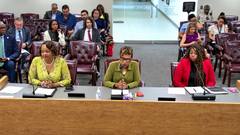
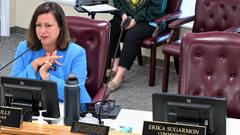
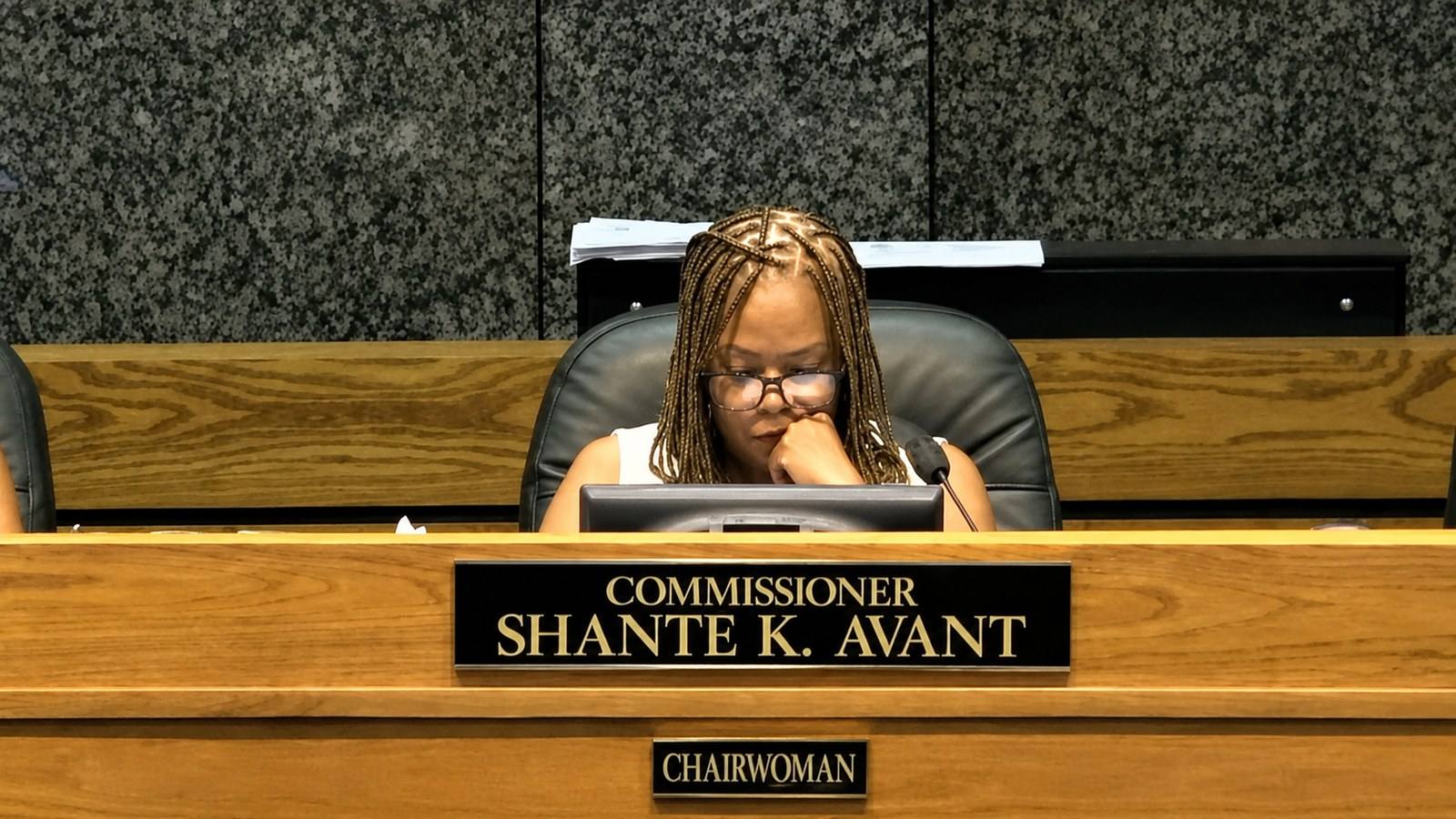
The chairwoman asked twice for a second on the motion to suspend. "Going once. Going twice," she said, and then ruled that the motion failed and the item was not before the body for lack of a second.
No commissioner spoke against the resolution. No one stated a reason. The item simply did not receive the one additional voice it needed to be heard.
Who was in the room
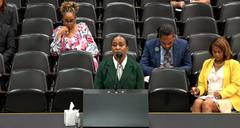
During closing announcements, Commissioner Thornton told the body that stakeholders had waited through the entire meeting to speak on the item, and read their names into the record: Street Impact, the Warrior Center, Memphis Transitional Re-entry Adult Program, Trinity Holistic Intervention Services, and Boys to Men of Memphis mentoring program. She thanked District 10 for the opportunity to try to get dollars on the ground and said she hoped the incoming Commission would invest in their work.
The meeting ran approximately five hours and five minutes. The organizations did not speak.
What the sponsor had said in committee
Commissioner Thornton, the sponsor, told the committee on August 19 the resolution would use the remaining opioid settlement money, which she put at more than $900,000, and that she had earmarked the funds for organizations in District 10 that she described as equipped and ready to do the work.
She said finance has confirmed the roughly $900,000 is in the bank, and that legal is waiting to hear officially from its consultants on whether the uses outlined in the resolution are permitted. She said her own reading of the guidance document provided to commissioners is that the listed uses are in alignment, and that she expects confirmation by the full Commission meeting.
The question legal is actually asking
Chairwoman Shante K. Avant asked the county attorney's office to state what it is reviewing.
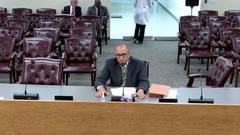
An attorney from that office answered narrowly. The office knows opioid money can go to nonprofits, and it knows opioid money can fund project activities of the kind listed in the resolution. The question sent to outside consultants is whether the spending can be limited to a single political district.
That distinction is the whole item. The resolution's subject matter appears to fall inside the permitted uses. Its geography is what has not been cleared.
Two other questions from the committee
Commissioner Mick Wright raised two. The first was whether any of the nine grants duplicate existing District 10 plans, noting there have been difficulties getting previously approved funding out the door. The second concerned a spending pause the Commission had put in place, and whether this appropriation should carry the same effective date as another item on the agenda dated November 1.
Commissioner Thornton said she would bring a status report showing what has actually been signed by the mayor. She said $4.5 million has passed through Commission approval, that the amount the mayor has signed off on is substantially lower, and that these particular organizations have not been invested in and have no funding earmarked for fiscal year 2027, because no District 10 plan was included in the budget the county is operating under.
Commissioner Wright then moved to make the resolution effective November 1, 2026. The county attorney's office said an effective date is acceptable, pending consultant approval, as long as it falls beyond the charter provision for authorization. The motion was seconded by Commissioner Thornton and adopted without objection, with the language to be added for the full Commission meeting.
The vote
Aye votes came from Commissioner Wright and Commissioner Thornton. Commissioner Michael Whaley, Commissioner Amber Mills, Commissioner Henri E. Brooks and Chairwoman Avant abstained. Two aye votes and four abstentions sent the item forward with a favorable recommendation.
What happens next
The record shows the resolution was not adopted and did not come before the Commission for a vote. A resolution that fails to be placed before the body is not defeated on its merits; it is simply not taken up. Nothing in the record establishes what the outcome would have been had it been heard, and nothing in the record prevents a future Commission from filing the same resolution again.
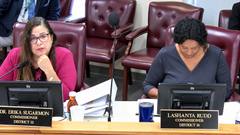
The outgoing Commission adjourned its 2022 through 2026 term at the same meeting. The sponsor's District 10 seat is now held by Lashanta Rudd, sworn in at the county's 2026 swearing-in ceremony. Any revival of the resolution would have to come from the new body.
Your city. Your money. Your receipts.