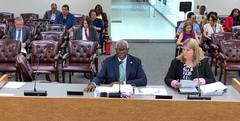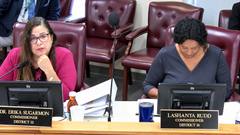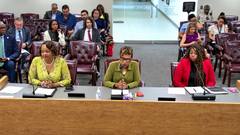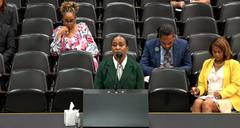
The resolution started as a ban on spending and ended as a reporting requirement. It passed seven to three after two hours of public comment and a fight over whether it could be heard at all.
MEMPHIS, August 24, 2026 - The Shelby County Commission voted seven to three to limit county spending on litigation challenging the educational oversight board established for Memphis-Shelby County Schools, setting an aggregate expenditure limit of $200,000 and requiring prior Commission approval and written justification from the administration for anything above it.
The resolution that passed is not the resolution that was filed. As introduced five days earlier it would have prohibited the appropriation, allocation, transfer or expenditure of county funds on the litigation outright. The county attorney's office told the committee it would not recommend approval. By Monday the sponsor had replaced the word prohibiting with limiting.
The number the debate was built on
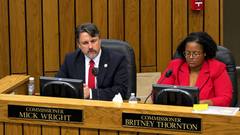
Commissioner Britney Thornton, the sponsor, told the body that a news report published that day put the county's legal fees in the case at at least $211,000, and that she had no idea where the additional $11,000 above the authorized $200,000 came from. She said if any member could say definitively that Shelby County government did not contribute it, they should vote against her item, and if they wanted it reported, they should vote for it.
Commissioner Charlie A. Caswell, Jr. asked the county attorney's office for the actual figure.
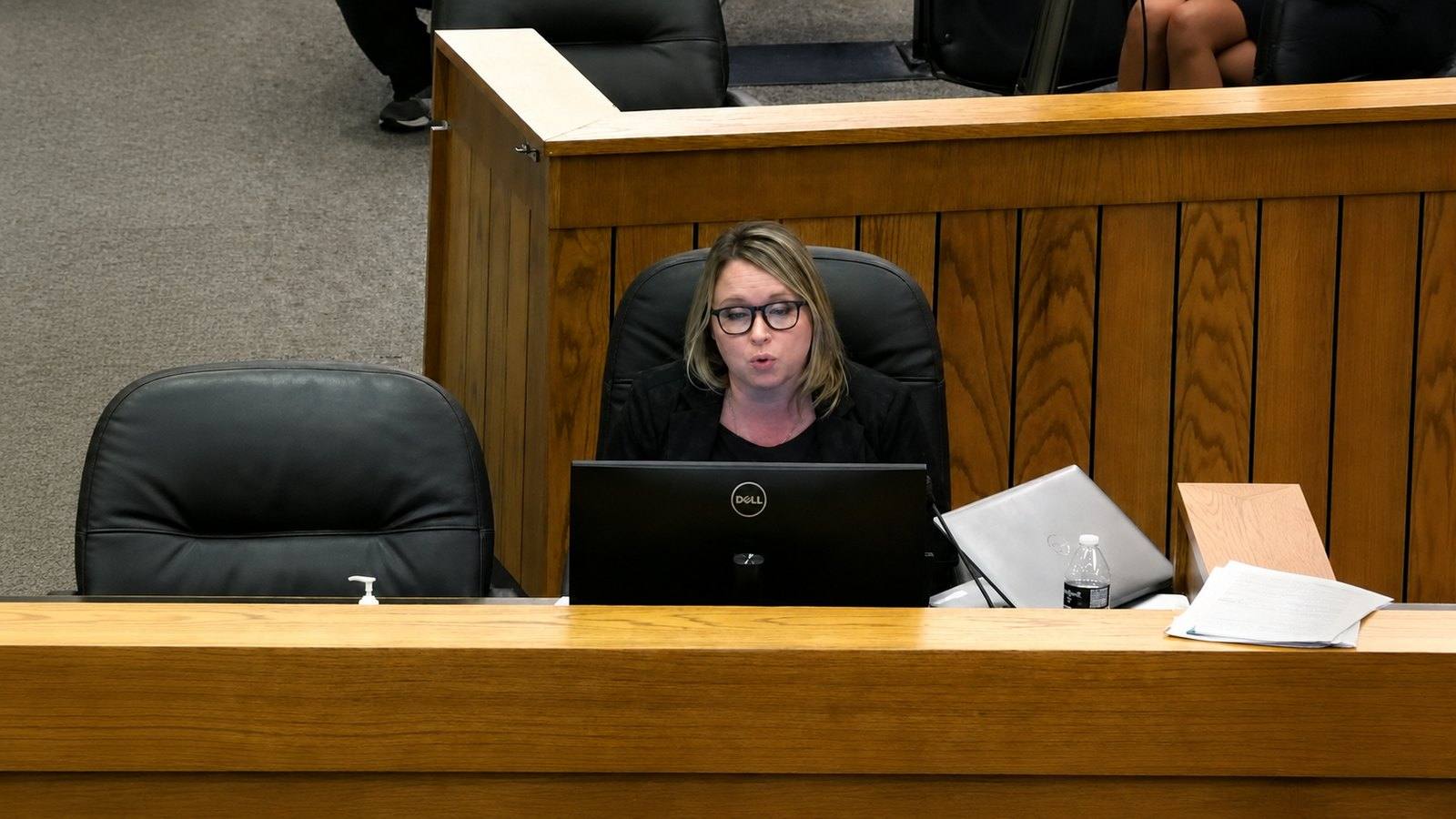
The answer was different. An attorney from that office told the body that Shelby County has not hit the $200,000 mark and that total investment is at $111,000.
She then explained why the two figures can both be defended. The resolution that authorized the extraordinary litigation moved funding from fund balance into the tort fund, and the not-to-exceed language capped expenses against fund balance in fiscal year 2026 only. That fiscal year has ended. The county is now operating in fiscal year 2027, so the cap the debate assumed was in force had already lapsed. Even so, she said, the $200,000 mark was not reached, with current invoices at $111,000.
The gap between $111,000 and $211,000 is the difference between what the county has paid and what the case has cost across all parties. Nobody at the meeting reconciled the two figures, and no document was produced.
Commissioner Thornton acknowledged the discrepancy directly, saying she now understood how frustrating it is not to know definitively whether the number is $211,000 or $111,000, and that with appeals expected the county would exceed both.
Whether the item could be heard at all
Before any of that, the Commission spent roughly 13 minutes on whether to take the item up.
The resolution did not meet the requirements of the permanent rules, so it needed a suspension. Commissioner Caswell objected, which raised the threshold to two thirds of those present and voting. With 12 members present, that meant eight votes.
Commissioner Caswell said his objection was that attorneys are already moving forward, that money has already been spent, and that stopping the process now sets the county up for a larger problem. He said he wanted the process to run because a precedent is being set.
Commissioner Mick Wright argued for suspending the rules on grounds unrelated to the merits. He said the body has to allow space for commissioners' resolutions to be heard and for the public on both sides to be heard, and that the Commission is getting closer to an abuse of the rules in which administrative departments do not authorize items to move forward, so those items arrive without meeting the permanent rules, which creates a barrier and threatens to make commissioners unequal.
Chairwoman Shante K. Avant said she would vote to allow the item forward because of the number of people who had signed up to speak. The motion carried nine to two with one abstention.
Two hours of public comment
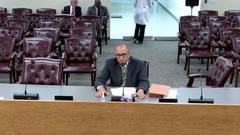
Roughly 15 residents spoke, and they did not agree with each other.
Speakers who asked the Commission to stop funding the lawsuit described a district that has not delivered, and pointed to Houston as evidence that state accountability intervention can work. One organizer said his group had sent about 8,000 emails from about 400 people asking the Commission to stop funding the litigation. Several described their own children's individualized education programs and said the school board had not answered them.
Speakers who asked the Commission to keep funding it described the litigation as the county's only means of defending local control. Teachers said the earlier state intervention through the Achievement School District failed, and disputed the Houston comparison, citing enrollment loss and teacher turnover there. Others framed the case as being about whether the votes of Shelby County residents can be set aside.
The chairwoman twice paused the clock to require the chamber to hear speakers without interruption.
What the commissioners said before voting
Commissioner Brandon G. Morrison supported the resolution on fiscal grounds, saying $200,000 could be spent on students instead of litigation.
Commissioner Michael Whaley said he had opposed the original version, but that the substitute is materially different and effectively acknowledges the county's existing position and funding while requiring a return to the Commission if the amount is exceeded. He said that is hard to argue with as a budget matter, and that the underlying question of the oversight board's legality is for the court.
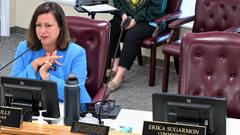
Commissioner Erika Sugarmon opposed it. She noted that the county already requires items above $50,000 to come before the Commission, and the county attorney confirmed that is the charter's limitation on contracting authority while explaining that litigation defense operates under a different charter provision. Commissioner Sugarmon said the county should not be prevented from using its own resources to defend its taxpayers, and that if the state wants the oversight board, the state should fund it. She said the state has never said who pays the roughly $1.5 million she attributed to the new oversight board.
Commissioner Henri E. Brooks asked whether a requirement to return to the Commission for additional money can work alongside a court's timetable. The county attorney said the county does not have the luxury of deciding when it moves, that the court sets the timeline, and that if the court wants a hearing, experts or court reporters, the county must comply.
Commissioner Brooks also asked, returning to a separate budget item, whether there is a cap on the county's exposure in this case. The county attorney said the general answer is no.
The vote
Aye votes came from Commissioner Whaley, Commissioner Caswell, Commissioner Amber Mills, Commissioner Wright, Commissioner Thornton, Commissioner Morrison and Vice Chair David C. Bradford, Jr. Commissioner Sugarmon, Commissioner Matthew T. Szalaj and Commissioner Brooks voted no. Commissioner Miska Clay Bibbs and Chairwoman Avant abstained. Seven ayes, three nos, two abstentions.
What happens next
The record shows the substitute was adopted. Under it, any county expenditure on the litigation beyond an aggregate $200,000 requires prior approval by the Board of County Commissioners and written justification from the Shelby County administration.
The litigation was described at the meeting as active and pending before a court, with a stay in place. Nothing in this account establishes what the court will do, or the status of the case on any date after the meeting reported here. The Commission adjourned its 2022 through 2026 term at the same meeting, so the reporting requirement will be administered by the incoming Commission. That body has since been sworn in, with eight of 13 seats changing hands. The sponsor did not return. Whether any expenditure has since approached the $200,000 aggregate limit is not established by this record.
Your city. Your money. Your receipts.
Update, October 11, 2026: The litigation has moved on two fronts. On October 5, 2026, U.S. District Judge Waverly D. Crenshaw filed an order signaling he will lift his block on the state oversight board once board chair Billy Orgel tells the court under oath that the board is ready, Chalkbeat Tennessee reported. On October 7, 2026, MSCS, Shelby County Government, and county commissioners, joined by elected school board members and residents, filed a second lawsuit in Shelby County Chancery Court seeking a permanent injunction against the takeover, according to Chalkbeat Tennessee and Action News 5.
Under the substitute adopted August 24, county spending on this litigation above $200,000 requires prior Commission approval and written justification from the administration. No updated invoice total has been made public. The 901 Report's follow-ups: "Judge Clears the Way for the MSCS Takeover, and the Start Date Now Rests With the Board Chair" and "The Takeover Fight Opens a Second Front: a Chancery Court Suit Seeking a Permanent Injunction".