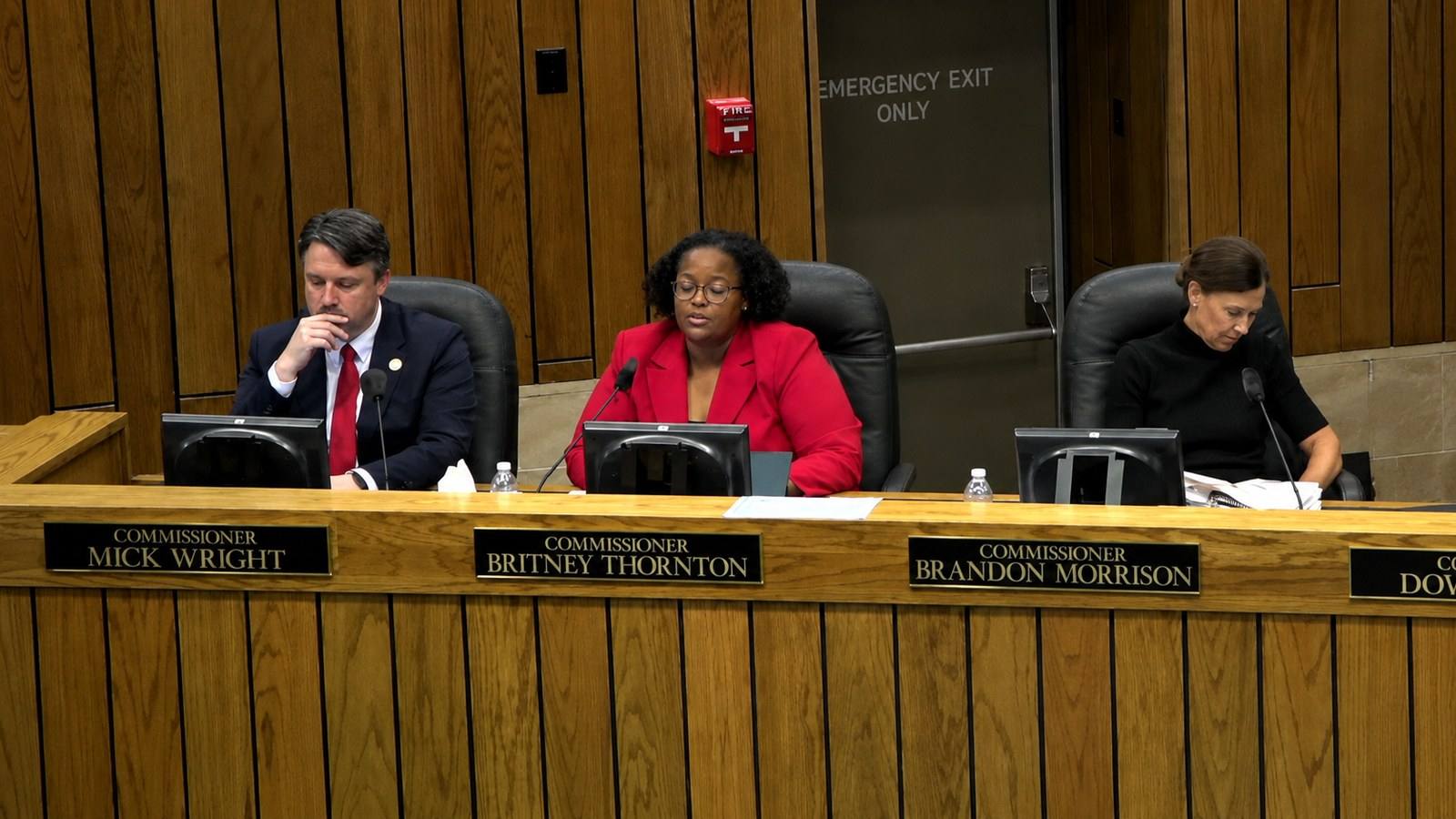
The chairwoman called it an administrative cleanup required by state law. A commissioner pulled it off the consent agenda so it could not pass silently.
MEMPHIS, August 24, 2026 - The Shelby County Commission voted 10 to two to strike references to the Minority and Women Owned Business Program from Rules 6 and 7 of its permanent rules of order, after a commissioner pulled the item off the consent agenda so it would have to be voted on in the open.
The resolution is sponsored by Chairwoman Shante K. Avant. Its stated purpose, as read from the caption, is to remove those references in order to comply with applicable laws.
The explanation
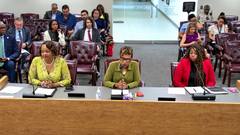
Chairwoman Avant told Committee 10, General Government, that in line with what state legislation has passed, the county no longer has a Minority and Women Owned Business program, and that the resolution cleans up the language in the permanent rules to reflect that.
No one else spoke on the item. Commissioner Henri E. Brooks, who chaired the committee, noted before the vote that the committee had not heard an explanation from the sponsor, then called for the vote after the sponsor spoke.
The statement on the record
Aye votes came from Commissioner Amber Mills, Commissioner Britney Thornton and Chairwoman Avant. The clerk first reported that Commissioner Brooks voted no, then corrected the record to show she abstained. The tally was three ayes and one abstention.
After the tally, Commissioner Brooks asked that the record reflect her abstention, and gave her reason. She said she disagreed with the philosophy and the motivation behind the change, that she believes it sets the county back 75 years, and that she hopes it can be overcome in the near future. She said she did not want her grandchildren to read these records and see that she supported it.
What the record establishes and what it does not
Two things are on the record without dispute. State legislation has passed that the sponsor says eliminates the county's program, and the resolution before the committee only amends the Commission's own rules of order.
What is not on the record is the operative language. No statute was cited by number or section, no provision was read aloud, and no one from the county attorney's office was asked whether the rules amendment is required by that legislation or is a discretionary conforming change. Both readings remain open on this record: a rulebook that still references a program the county no longer operates is a rulebook out of date, and a rulebook amendment is also a separate affirmative act by the Commission that the legislation may or may not compel.
The item is procedural in form. It amends rules of order, not the county's procurement ordinances. A separate ordinance governing the county's Locally Owned Small Business program was heard on third reading in a different committee the same morning.
The floor debate
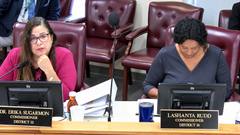
Commissioner Henri E. Brooks said she removed the item from the consent agenda for the reason she had given in committee. She said the item represents a policy priority of the supermajority in the state legislature that she does not agree with, that she believes is on the wrong side of history, and that injures Shelby County. She said having served in the legislature she understands that some laws passed there would not survive constitutional review but are never challenged in court, so nobody finds out. She said she pulled it so that she would be on the right side of history.
Commissioner Britney Thornton added the figures the committee had not heard. She said that before the change, the county was looking at data showing between zero and 10 percent of county spending going to minority businesses, with the likelihood that the real number was around 2 percent. She said the state law has been in effect for more than a year, that contracts have gone out for rebid with no minority goal attached, that offices that existed a year ago no longer exist and their staff have been reassigned, and that businesses have closed. She said small businesses have been coming forward to say the process has changed for them and they do not feel supported, and urged local businesses to speak for themselves.
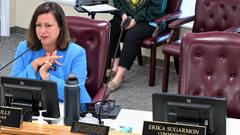
Aye votes came from Commissioner Michael Whaley, Commissioner Miska Clay Bibbs, Commissioner Charlie A. Caswell, Jr., Commissioner Erika Sugarmon, Commissioner Amber Mills, Commissioner Matthew T. Szalaj, Commissioner Mick Wright, Commissioner Brandon G. Morrison, Vice Chair David C. Bradford, Jr. and Chairwoman Avant. Commissioner Thornton and Commissioner Brooks voted no. Ten ayes to two nos.
The exchange with the public
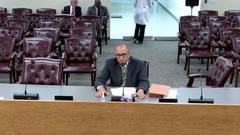
Later in the meeting a resident told the body it had dismissed the fact that minority businesses will not be acknowledged, and asked whether the Commission could have made any concessions rather than going along.
Chairwoman Avant answered on the record. She said the vote was an administrative cleanup of the Commission's permanent rules based on where the county is with state law, that it was not the Commission eliminating the Minority and Women Owned Business Program, and that state law suspended that program a year ago. Asked for the specific wording of the change, she said the permanent rules had referenced a committee called the minority women business enterprise, that the county no longer has one, and that the rules needed to reflect that to comply with state law.
The resident said the answer did not address her question. The chairwoman said she wanted to clarify for the record what the vote had done.
That exchange is the clearest statement in the record of the two readings this item carries. On one, it is a housekeeping amendment that changes nothing on the ground. On the other, it is the local government formally removing the last written trace of a program, and the record contains no document establishing that the rules amendment was legally required rather than discretionary.
What happens next
The record shows the resolution was adopted. No commissioner proposed a replacement program, and none was discussed.
Your city. Your money. Your receipts.