SHELBY COUNTY COMMISSION
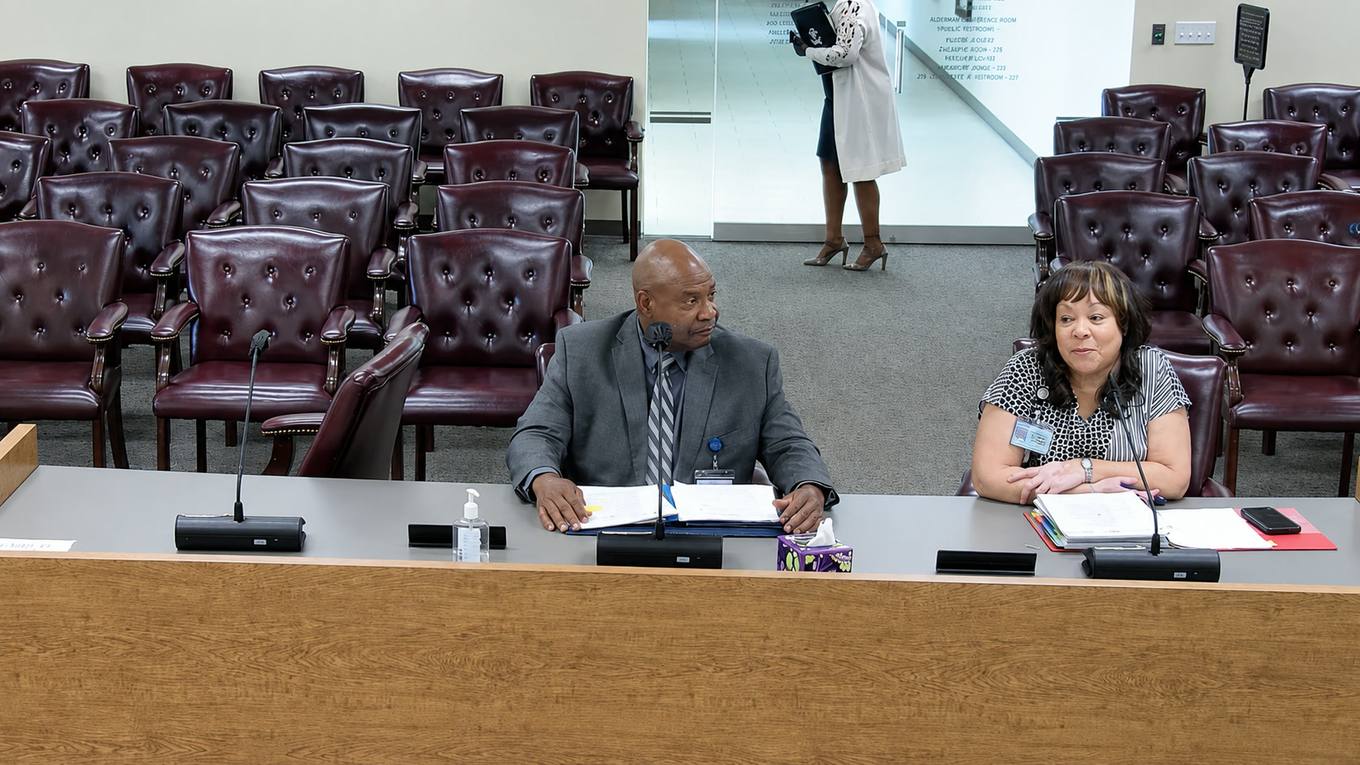
The health department told commissioners on August 5 that Title V permit fees must fully fund the county's air permitting program, and that if they fall short the county general fund covers the gap rather than the facilities. Countywide industrial emissions have fallen from more than 25,000 tons a year in 2004 to roughly 5,800 this year.
MEMPHIS, August 10, 2026 - The five most heavily regulated industrial air sources in Shelby County are concentrated in two zip codes, 38109 and 38127, the county health department told the Shelby County Commission.
The department was presenting an ordinance to raise Title V air permit fees, which passed first reading on August 10.
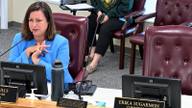
The deputy director of environmental health services named the five as Nucor, Valero, Daslov, the Allen Combined Cycle Plant operated by the Tennessee Valley Authority, and Mitsubishi. She said the most concerning thing about the slide listing them was the two zip codes they represent.
Asked and answered before anyone raised it, she added that xAI ranks 25th.
Why the fees have to go up
Under the Clean Air Act, she said, a Title V permitting authority, whether state, local, tribal or federal, must collect fees that fully fund its air permitting program. If the fees fall short, the county rather than the regulated facilities makes up the difference, the program becomes underfunded, and the Environmental Protection Agency can step in and require corrective action.
She said the update is legally required to sustain the program locally under federal guidelines, and that without it the county general fund would cover the shortfall.
On fairness, she said larger facilities with more regulatory requirements should pay their share because they are polluting the atmosphere in which residents live.
What the numbers show
The department projects 2026 revenue from major sources of $810,321. She described that as good news, because it means emissions are going down.
Countywide industrial emissions have fallen sharply. In 2004 the county recorded more than 25,000 tons per year. As of this year the figure is roughly 5,800 tons, which she called remarkable for the community.
The regulated universe has shrunk with it. The county once had 128 major sources. It now has 108 facilities, comprising 27 major sources and 81 conditional major sources.
Between July 1, 2025 and June 30, 2026 the department collected $37,978.45 in penalty fees from various major facilities.
What the ordinance changes
The proposed fee structure is tiered and keyed to workload and emissions. She said most of the increase is based on the number of applicable federal regulations, and that raising minimum emission fees and adjusting annual fees by regulatory complexity was the approach, so facilities with more requirements and more staff time pay accordingly.
Some fees stay the same. Some increase substantially. The proposal appears as Exhibit A in the commission's packet.
Small businesses regulated under the air permitting program, which she said includes dry cleaners, gas stations and auto mechanic shops, are not affected by the increases. The changes target major sources.
The Memphis and Shelby County Air Pollution Control Board reviewed the proposal at a meeting on March 20, 2026, where she said it passed unanimously.
A companion ordinance updating references to Tennessee air pollution control regulations, repealing obsolete provisions and revising appeals procedures to allow recovery of appeal costs also passed first reading, after being amended in the August 5 committee meeting.
What happens next
Both ordinances passed first reading on August 10 and require two further readings. The fee schedule appears as Exhibit A in the commission packet. The department said the Memphis and Shelby County Air Pollution Control Board approved the proposal unanimously on March 20, 2026.
Your city. Your money. Your receipts.