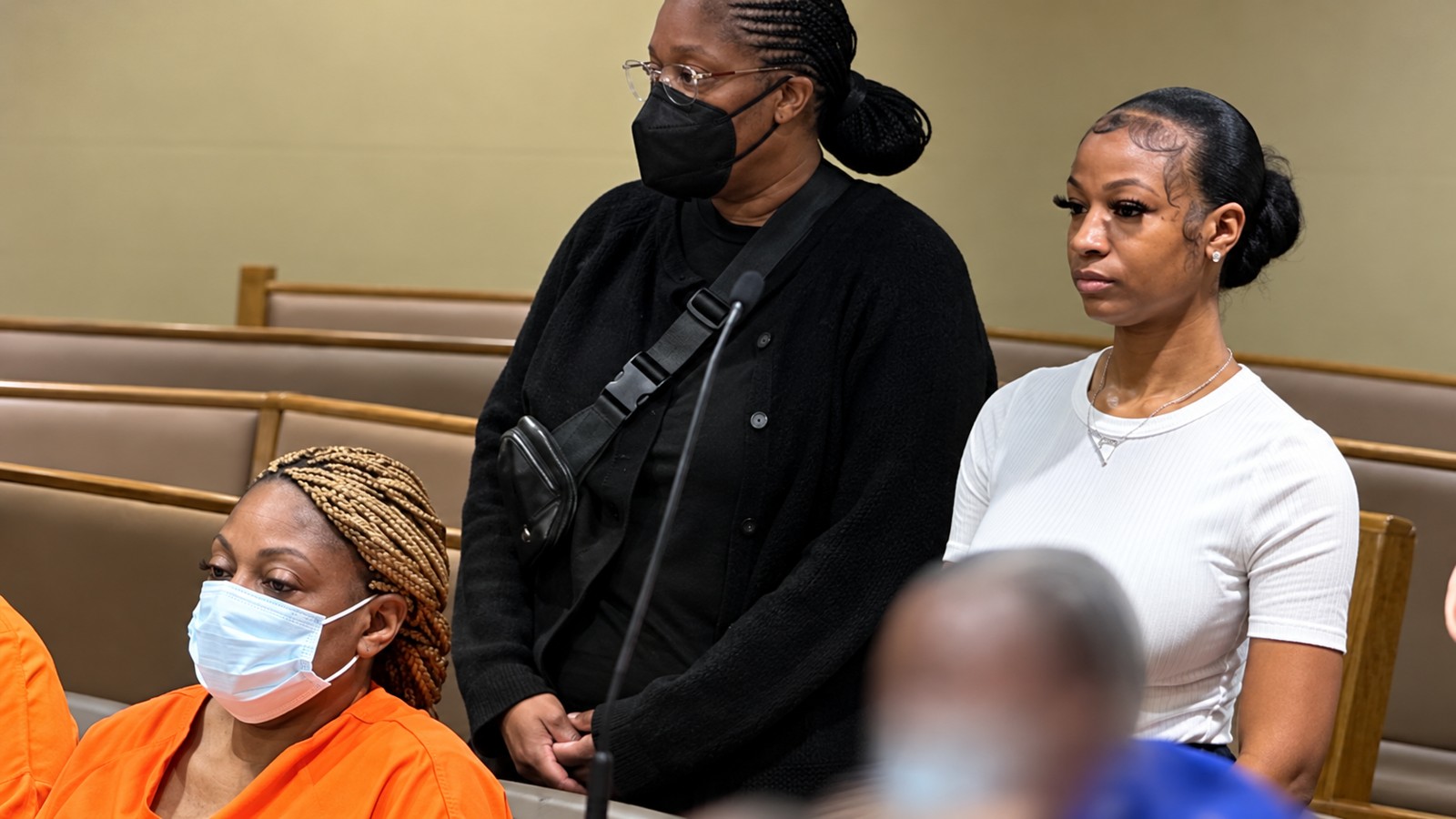
MEMPHIS, Tenn. - Shelby County General Sessions Court Clerk Tami Sawyer has been suspended from office for 30 days, effective June 17, 2026, following her federal indictment earlier this week, according to Action News 5 and court records reported by FOX13.
The suspension flows from Tennessee law, which allows a court clerk to be suspended immediately upon being indicted for a felony or misdemeanor committed in office. State law leaves that decision to the courts. According to sources cited by Action News 5, the civil and criminal General Sessions judges voted to suspend Sawyer. Under state law, a temporary clerk is to be appointed to run the office during the suspension. Sawyer's seat is not up for reelection.
The move follows a six-count federal indictment unsealed this week. In an official statement, U.S. Attorney D. Michael Dunavant of the Western District of Tennessee announced what his office called a significant public corruption case. According to the indictment, between the day Sawyer was sworn in on August 29, 2024, and June 22, 2025, she embezzled, stole, and knowingly converted $44,607.35 in public funds to her own use.
Federal prosecutors allege Sawyer used procurement cards issued to other county employees, a county travel card, and travel advances to pay for personal expenses, including alcohol, food and goods ordered through delivery apps, and charges at bars, hotels, restaurants, sporting events, and car rentals. The indictment further alleges she moved money through a friend's payment account in a laundering scheme, submitted false justifications for the charges, and falsely claimed lost receipts that investigators say were still available through the apps she used. The case was investigated by the FBI.
Sawyer is charged with conspiracy to commit honest services wire fraud, conspiracy to commit money laundering, theft concerning programs receiving federal funds, honest services wire fraud, money laundering, and interstate travel in aid of racketeering. If convicted of all counts, she faces a maximum of up to 20 years in prison, a fine of up to $500,000, or both, and up to three years of supervised release. There is no parole in the federal system.
Sawyer pleaded not guilty to all six counts and was released on her own recognizance. As conditions of release, she was ordered to surrender her passport and to obtain approval before opening any new lines of credit, with violations subject to custody. Her attorney, John Keith Perry, has said she maintains her innocence and intends to fight the charges. The U.S. Attorney's Office, in announcing the case, emphasized that the charges are accusations only and that Sawyer is presumed innocent unless and until proven guilty.
There is local precedent for the suspension. In 2011, a former General Sessions Court Clerk was suspended for 60 days after an indictment, with a temporary clerk appointed. That official later accepted pretrial diversion. That path is not available to Sawyer: a 2013 state law, enacted during the earlier case, prohibits diversion for elected officials.
The indictment also intersects with an existing whistleblower claim. A former chief administrative officer of the clerk's office sued Sawyer and Shelby County Government in November, alleging he was fired after reporting questionable procurement card spending to the county's ethics office and attorney. Those allegations have not been proven in court.
Reaction has split along party lines. The Shelby County Democratic Party called the allegations significant. The Republican Party of Shelby County called for Sawyer's immediate resignation.
Why It Matters for Memphis
The General Sessions Court Clerk's office is the administrative backbone for a large part of Shelby County's court system, supporting the work of dozens of judges and judicial commissioners. A 30-day suspension and the appointment of a temporary clerk raise immediate, practical questions about continuity in an office that residents rely on for routine court business.
The underlying allegations also go to the heart of how public money is guarded. The charges describe county purchasing cards and travel funds being used for personal spending over roughly ten months before anyone stopped it. Whether or not the allegations are ultimately proven, the case puts a spotlight on the controls that are supposed to catch exactly this kind of spending, and on how long they took to work.
The Oversight Question
This newsroom has flagged procurement card oversight as a recurring vulnerability, and this case makes the stakes concrete. The central question is not only what one official is alleged to have done, but how a county purchasing system allowed roughly $44,000 in disputed charges to accumulate across nearly a year before action was taken.
The answer matters beyond this case. Strong controls would have caught questionable spending early and protected both taxpayers and the accused from a slow-building problem. As this case proceeds, the public is owed a clear account of where the safeguards stood, where they failed, and what is being changed. An indictment is an accusation, not a conviction, and Sawyer is entitled to the presumption of innocence as the case is decided.
Update, October 11, 2026: Reports have differed on the length of the suspension. Action News 5 reported 30 days; WREG later reported a 60-day term. General Sessions Court Judge Deborah Henderson announced Gerald Thornton as General Sessions Court Clerk Pro Tempore, with his term beginning August 8, 2026, to serve until Sawyer's case ends or her term ends, whichever comes first, WREG and Action News 5 reported. Sawyer's federal trial is set for January 11, 2027, a date WREG reported is subject to change. She has pleaded not guilty to all six counts, and an indictment is an accusation, not a conviction.
The 901 Report's follow-ups: "Tami Sawyer's Trial Is Set for January 11. Her Replacement Could Serve Until 2028." and "Shelby County Just Handed Its Court Clerk's Office to the County's HR Director".