Correction, October 11, 2026: An earlier version of this post said in its headline that Shelby County District Attorney Steve Mulroy blocked two state laws. Filing a lawsuit does not block a law, and The 901 Report has found no court order blocking either one. According to the District Attorney's Office, Mulroy filed suit May 26, 2026 in Shelby County Chancery Court asking the court to declare two laws unconstitutional and permanently bar their enforcement: the Memphis Safe Task Force Accountability Act (Senate Bill 1467, Public Chapter 943) and a bill on attorney general audits (Senate Bill 443 / House Bill 483, Public Chapter 928). The headline has been corrected.
Shelby County’s top prosecutor went to court today to stop Nashville from tightening its grip on local justice. The emergency filing puts a fresh spotlight on who gets to run criminal justice in Memphis, and who answers when state laws collide with local authority.[2]
What happened
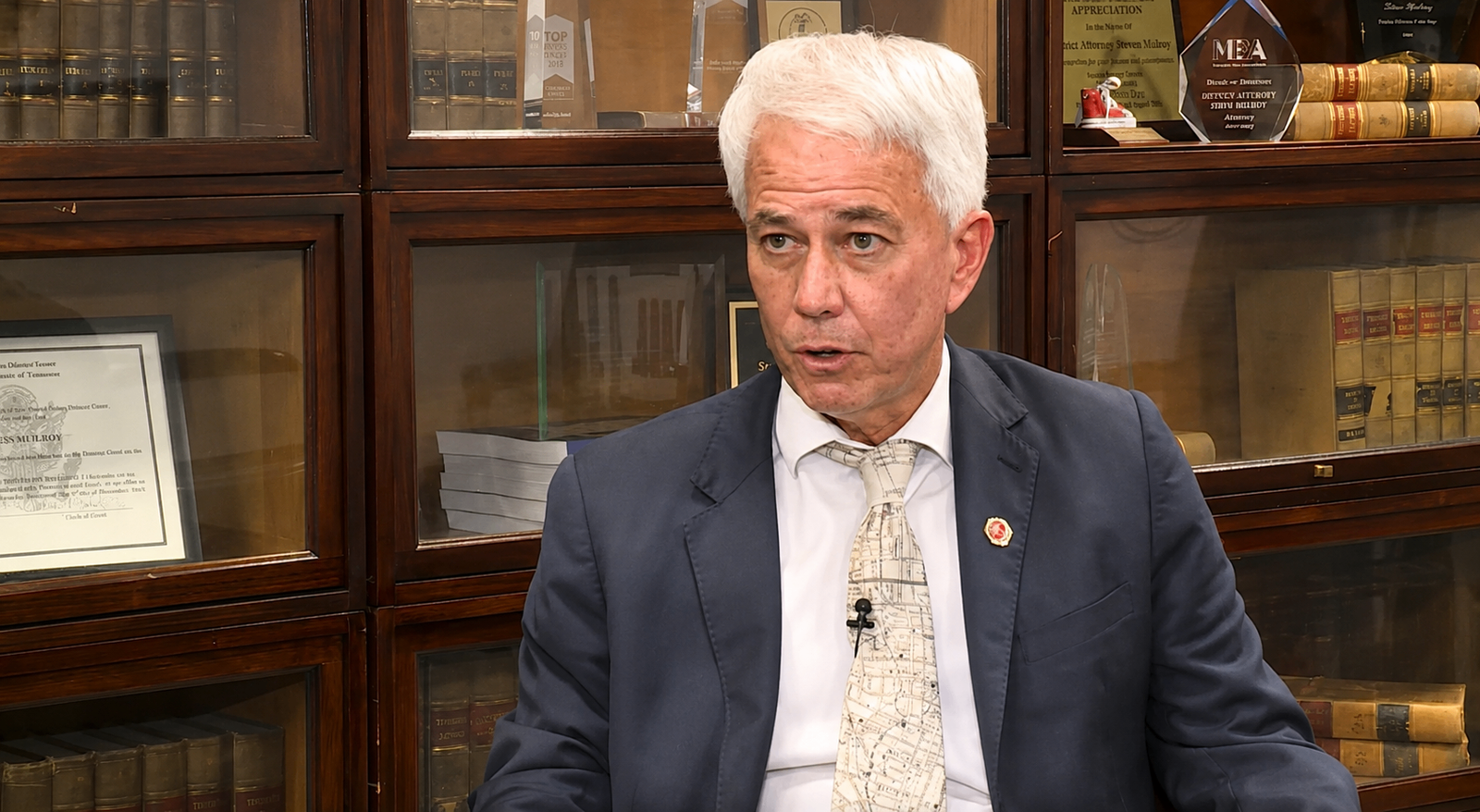
According to the Shelby County District Attorney General’s Office, DA Steven Mulroy filed an emergency lawsuit on May 26, 2026, seeking to block two laws recently passed by the Tennessee Legislature that target Shelby County.[2] The suit, filed in Shelby County Chancery Court, asks the court to declare the laws unconstitutional and permanently bar their enforcement. No court has blocked either law.[2]
The lawsuit is the kind of fight that usually matters most when it reaches the details: which office can investigate, who can prosecute, and how much local discretion remains in a county that already sits at the center of state-level political fights.[2]
This is also an accountability story because the dispute is not abstract. It concerns Shelby County government, the District Attorney’s Office, and the General Assembly, with the practical consequences landing on Memphis residents who rely on the criminal justice system to function predictably and lawfully.[2]
Why this matters for oversight
The responsible official is Shelby County District Attorney Steven Mulroy, and the agency is the Shelby County District Attorney General’s Office.[2] The question residents should be asking is simple: why did the Legislature pass laws aimed at Shelby County, what problem were they trying to solve, and how will these changes affect prosecutions, court operations, and local taxpayer costs?[2]
If the laws remain in place, the impact could reach how cases are handled across Memphis and Shelby County, especially if the challenge forces courts to decide how much authority state lawmakers can take from local offices.[2] That makes this more than a legal filing. It is a test of who sets the rules for one of Tennessee’s largest local justice systems.[2]
For readers tracking the broader Memphis governance picture, this fits the same pattern of outside power meeting local control that has already shaped school governance, budget fights, and state intervention debates. As previously reported in our coverage of other state-local power clashes, the core issue is not just who wins a headline battle, but who stays accountable after the dust settles.[1]
The stakes
The immediate stakes are legal and operational, not symbolic. If a judge grants emergency relief, the two laws could be paused while the court examines their constitutionality and impact on Shelby County.[2] If not, local officials may have to start operating under rules they say should never have been imposed in the first place.[2]
For Memphis residents, the deeper question is whether these laws improve justice or simply shift power away from local officials elected to serve Shelby County voters.[2] That matters because court administration, public safety, and prosecutorial discretion all carry budget and trust consequences when state law overrides local practice.[2]