A $50 Billion Nuclear Campus Is on the Table, and the First Republican No Is About Waste
Tennessee is one of five states in the running for a $50 billion Department of Energy nuclear campus that would include waste storage. A Republican lawmaker whose district sits in its shadow says the state is "not a dump site," while the governor calls it an incredible opportunity.
TVA's Browns Ferry Nuclear Plant near Athens, Alabama, one of three Tennessee Valley Authority nuclear facilities and part of the region's long history of nuclear power generation.
Share
MEMPHIS, Tenn. - The biggest economic development number in Tennessee this year is not a data center, and the first organized resistance to it is coming from inside the governor's own party.
Rep. Ed Butler, R-Rickman, came out against using Tennessee for nuclear waste storage as part of the proposed Nuclear Lifecycle Innovation Campus, a $50 billion U.S. Department of Energy investment for which Tennessee is one of five states under consideration, the Tennessee Lookout reported Wednesday, August 19, 2026. "We are a state of innovation and advanced technology, not a dump site," Butler said, adding that he sees "no economic benefits that will outweigh the potential environmental risks."
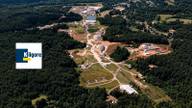
The campus as described would span the nuclear fuel lifecycle: fuel production, uranium enrichment, reactor construction, nuclear production, fuel recycling, and waste storage, per the Lookout, with the Oak Ridge area discussed as the general location. Butler's House District 41 covers Overton and Morgan counties and portions of Anderson, Fentress, and Roane counties on the Cumberland Plateau, in the region the campus would touch.
Governor Bill Lee supports the project, calling it an "incredible opportunity," per the Lookout. Democratic Sen. Heidi Campbell has raised a different objection: transparency, specifically what sites are under consideration and when the public would learn of them.
The disagreement is not yet a fight over a decision, because no siting decision has been announced. It is a fight over the terms of one: whether the waste-storage component is separable from the rest of the campus, and whether the public sees the candidate sites before the state commits.
Why It Matters for Memphis
Tennessee is actively courting a federal investment larger than any industrial recruitment the state has announced, and the questions being raised, what the state offered, which sites are in play, and who bears the environmental risk, are the same records questions Memphis has spent two years asking about its own industrial recruitment. How the state handles disclosure here sets the transparency bar for every deal after it.