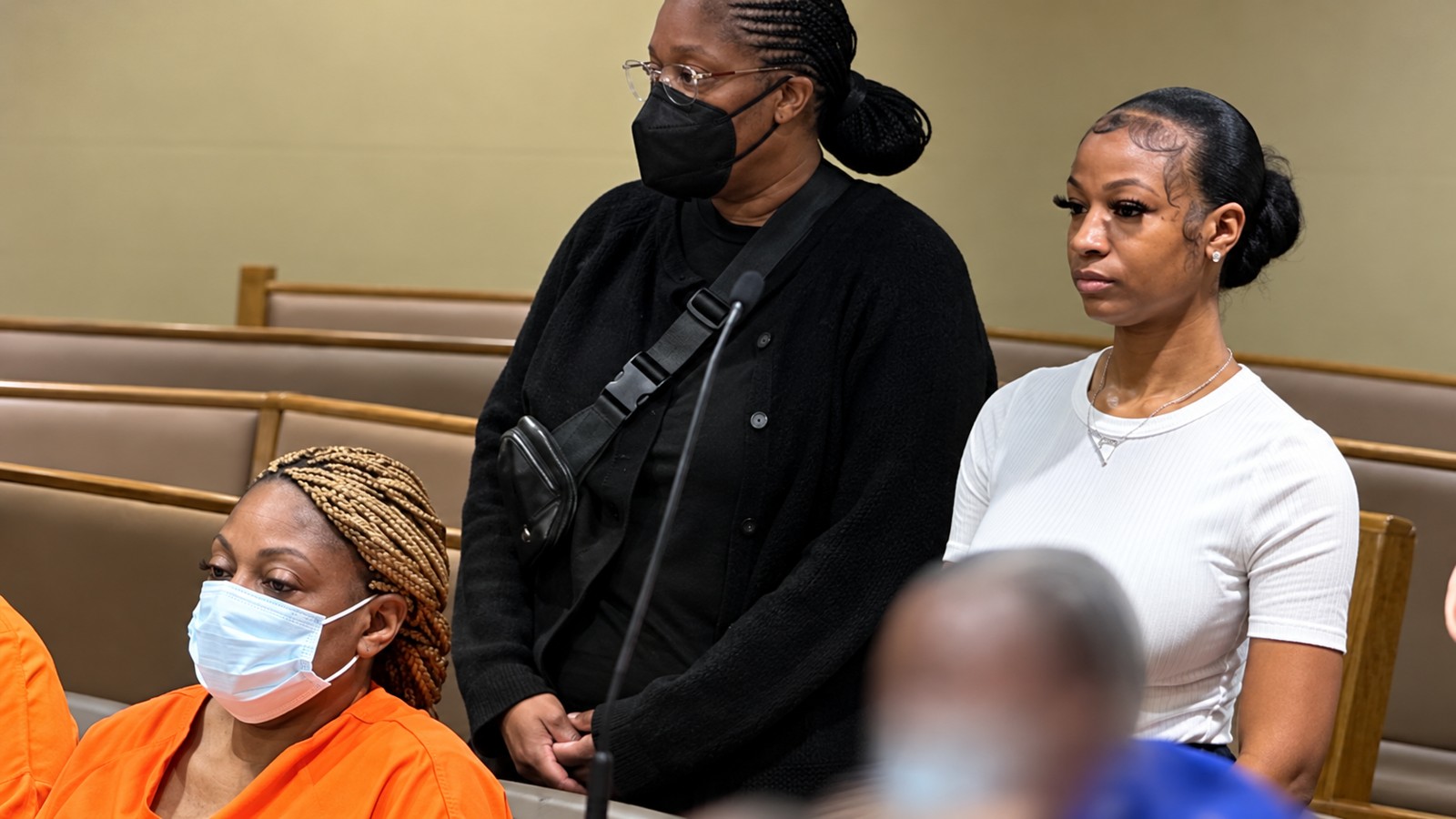
NASHVILLE, Tenn. - Governor Bill Lee announced executive clemency for 34 Tennesseans on August 27, 2026, granting 33 pardons and one commutation, per the governor's office announcement. The governor's office said each case received individual review with non-binding recommendations from the Tennessee Board of Parole, and Lee said he expects to review additional clemency cases before his term ends.
The commutation went to Thomas Clardy, and it resolves one of the stranger postures in Tennessee criminal law. Clardy was convicted in 2007 for a 2005 killing at a Madison auto body shop in Davidson County and served roughly 17 years. A federal judge overturned the conviction in 2023 and Clardy was released. An appeals court later reversed that ruling and reinstated the conviction, which put Clardy, by then out of prison, in line to go back, per WSMV and WKRN coverage of the case. The Tennessee Innocence Project represented him, and his clemency petition reached the governor after the reinstatement.
The commutation does not exonerate Clardy. His conviction stands, and the governor's office said the grant expedites his release onto parole supervision rather than returning him to prison. Clardy has maintained his innocence publicly; the state's courts, after the appellate reversal, maintain the conviction. A commutation is the executive declining to enforce the remainder of a sentence. It is not a finding of innocence, and this post reports it as neither.
The 33 pardons recognize completed sentences for people no longer incarcerated. Pardons in Tennessee are forward-looking relief that can restore rights and ease employment and housing barriers; they do not erase the conviction.
Why It Matters for Memphis
Clemency is the least-checked exercise of executive power in state government. There is no vote, no hearing, no appeal, and the only structural input is a parole board whose recommendations do not bind. When the same case has divided a federal trial judge from a federal appeals court, the clemency power is the last room where the disagreement can be resolved, and this round shows how this governor uses it.
The Oversight Question
The governor's office says each case got individual review with a non-binding recommendation. Will the public ever see what the Board of Parole recommended and whether the governor followed it? A mercy power exercised on a secret record is still a public power, and the record of how it is used belongs to the public.
Your city. Your money. Your receipts.