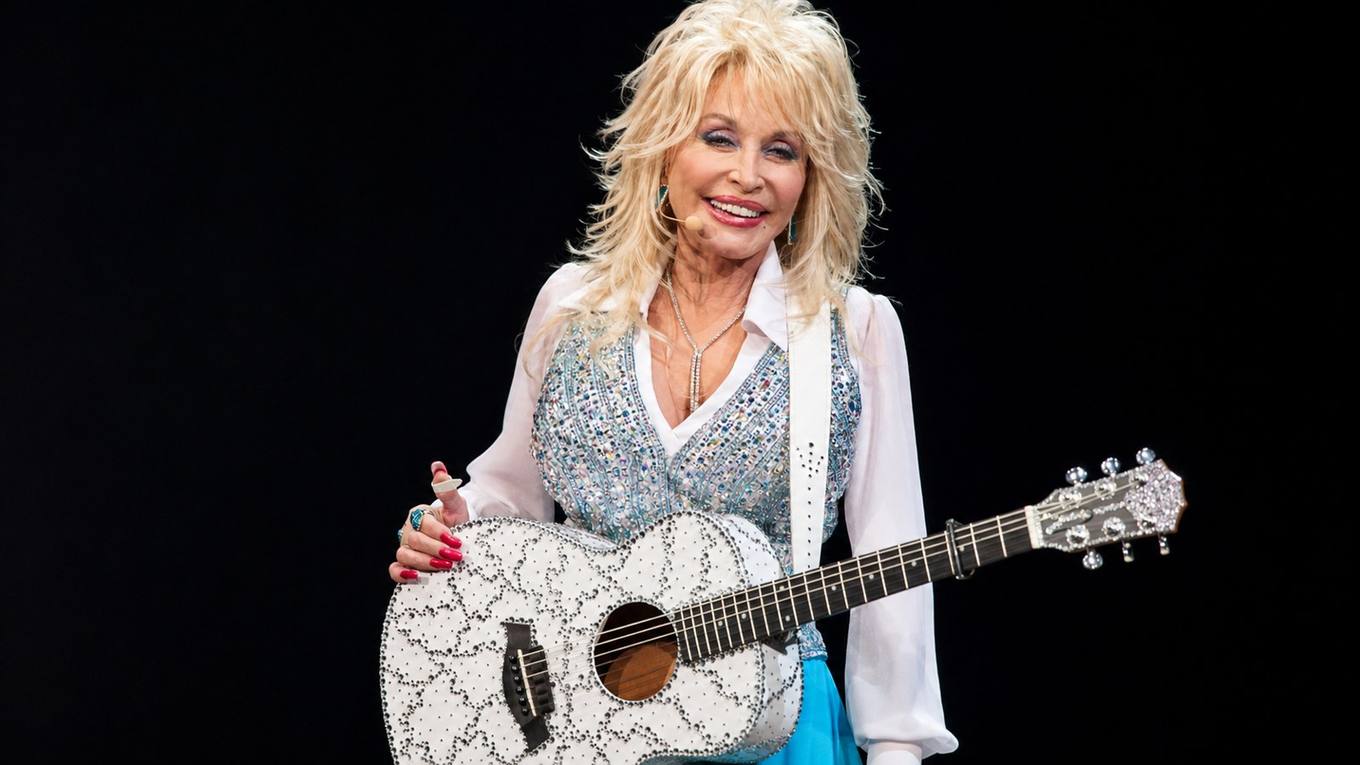
MEMPHIS, Tenn. - Dolly Parton, the East Tennessee native whose philanthropy reshaped early childhood literacy across the state, died Tuesday, August 25, in Nashville at the age of 80, her family announced. Beyond a seven-decade entertainment career, Parton leaves behind a civic footprint in Tennessee that runs directly through the state budget, and her death raises a practical question about the programs she anchored: what does the state sustain now that she is gone.
Her family announced the death in a video posted to her social media accounts, delivered by her nephew, Bryan Seaver. The family did not release a cause of death, saying she died peacefully. Parton had spoken publicly in recent months about health issues, and had scaled back travel on her doctors' advice. Her husband of some 60 years, Carl Dean, died in March 2025. The family has said it will hold a small private service and asked that, in lieu of flowers, donations be made to the Imagination Library.
The Imagination Library is the piece of Parton's legacy that most directly involves Tennessee public money. Parton launched it in 1995 in her home county of Sevier, mailing a free, age-appropriate book each month to every enrolled child from birth to age five, regardless of family income. In 2004, the Tennessee legislature moved to take it statewide. Senate Bill 2275, enacted in 2005, established the Governor's Books from Birth Fund and authorized a state partnership with Parton's program.
That partnership is a funding match, and the state's share is the part that recurs on the public ledger. Under the structure, the cost of books and mailing in all 95 Tennessee counties is split, with the state covering roughly half through the entity now known as the Governor's Early Literacy Foundation and local affiliates and donations covering the rest. The Dollywood Foundation manages the operational side, including book selection and distribution. Tennessee remains the only state where the program reaches every county, and state officials have credited it with distributing well over 150 million books to nearly two million children.
Because the state's contribution is an appropriation, it is a decision the legislature and the governor make in each budget cycle rather than a permanent guarantee. That distinction has become visible in other states this year. In Indiana, which joined as a partner in 2023 through a matching grant, a proposed state budget omitted renewal of the program's funding, prompting a public fight over whether to restore it. The episode is a reminder that a matching program lives or dies on the annual choice of the matching partner.
In Tennessee, that annual choice now arrives without the program's founder. For years, Parton's presence, her willingness to appear, testify, and lend her name, was itself a form of political protection for the appropriation. Whether the state's commitment holds at the same level absent that presence is a question that belongs to the people who write the budget.
Parton's giving in Tennessee extended beyond books. She created the Dollywood Foundation in 1988 to raise graduation rates in Sevier County, and an earlier initiative she funded personally paid students to stay in school, work that local officials credited with cutting dropout rates sharply. Dollywood itself remains one of the largest tourism employers and economic engines in East Tennessee. After the 2016 wildfires tore through the Gatlinburg area, her My People Fund distributed monthly cash payments to families who lost their homes, a privately funded relief effort that moved faster than many public ones.
Why It Matters for Memphis
Memphis and Shelby County are among the 95 counties where the Imagination Library operates, which means local families receive its books and the local match is part of the same statewide structure the legislature funds. The larger point is about how public benefits that depend on a private benefactor survive that benefactor. Parton spent decades making the case for a line item most Tennesseans never had to think about. Her death converts a settled arrangement into an open question, and the answer will show up in a budget document, not a eulogy.