The Campaign That Threatened Tennessee's Election-Money Regulator Just Stood Down
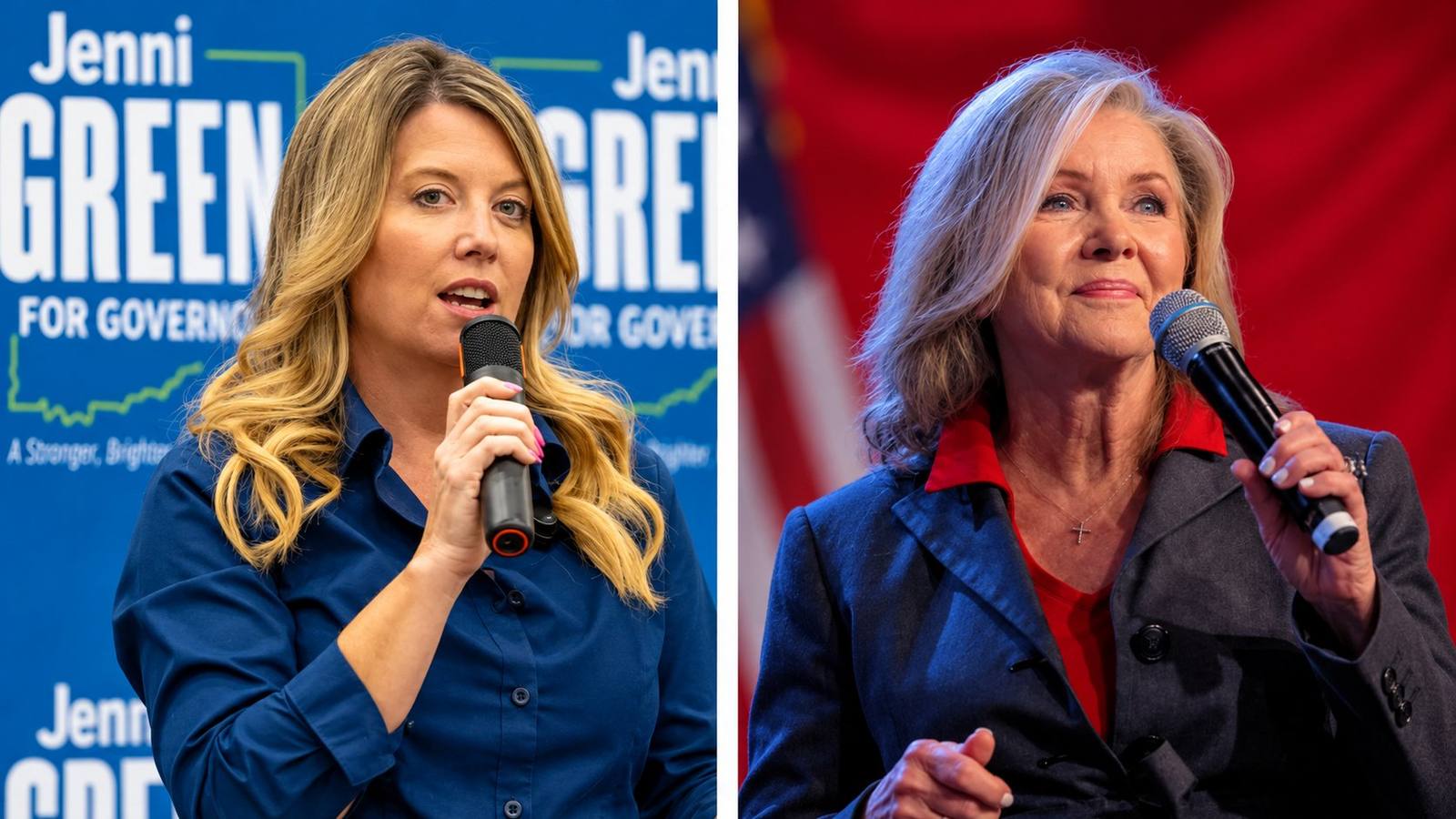
NASHVILLE, Tenn. - The pressure campaign lasted eight days. On September 15, 2026, an attorney for Marsha Blackburn's gubernatorial campaign threatened legal action against the Tennessee Registry of Election Finance, the six-member board that polices campaign money in the state, over its response to a sweeping public records demand. On the morning of September 23, 2026, the same attorney withdrew the demand, the Tennessee Lookout reported.
The records demand, filed by the campaign's attorney, sought communications in nine categories concerning the reappointments of two Registry board members, Democratic appointee Paige Burcham Dennis and Republican appointee David Golden, whose terms expire at the end of 2026 with reappointment decisions due by January 1, 2027. When the Registry indicated it had no responsive communications, the attorney wrote that "the notion that not a single communication exists across all nine categories strains credulity" and set a September 29, 2026 deadline before legal action, per the Lookout.
The demand did not arrive in a vacuum. On September 15, 2026, the same day as the campaign's legal threat, the Registry voted to refer a dark-money complaint to the state Attorney General's office, concerning ads run against Blackburn in the Republican primary by the American Exceptionalism Institute, a group accused of failing to disclose its funding sources. The Blackburn campaign publicly criticized the Registry's handling of that matter even while condemning the group behind the ads. No finding of violation has been made against the American Exceptionalism Institute; a referral is a request to investigate, not a determination that the law was broken.
The Lookout's September 23, 2026 report did not carry a stated reason for the withdrawal. Registry Executive Director Bill Young had maintained the office's position on the records. What remains standing after the withdrawal is the underlying architecture: a campaign in a live governor's race scrutinizing the reappointments of the officials whose board referred a complaint touching that race to the state's top law enforcement office.
Why It Matters for Memphis
Shelby County voters will vote in the races this money is trying to move. The Registry oversees state-level campaign-money disclosure in Tennessee, and its independence is only as strong as its members' insulation from the campaigns it regulates. A records demand aimed at reappointment communications, from a campaign with business before the board, is exactly the kind of pressure that never shows up in a budget line but shapes what a regulator dares to do.
The Oversight Question
The demand is withdrawn, but the question it raised answers itself in January 2027: do the two board members whose reappointments a campaign was probing keep their seats? Who sits on the Registry, and who decides that while the Registry's referral sits with the Attorney General, is the receipt to watch.
Your city. Your money. Your receipts.