Memphis is not short on needs. It is short on long term, visible investment, which is why Knoxville’s latest move matters to 901 even though it is not a local headline.
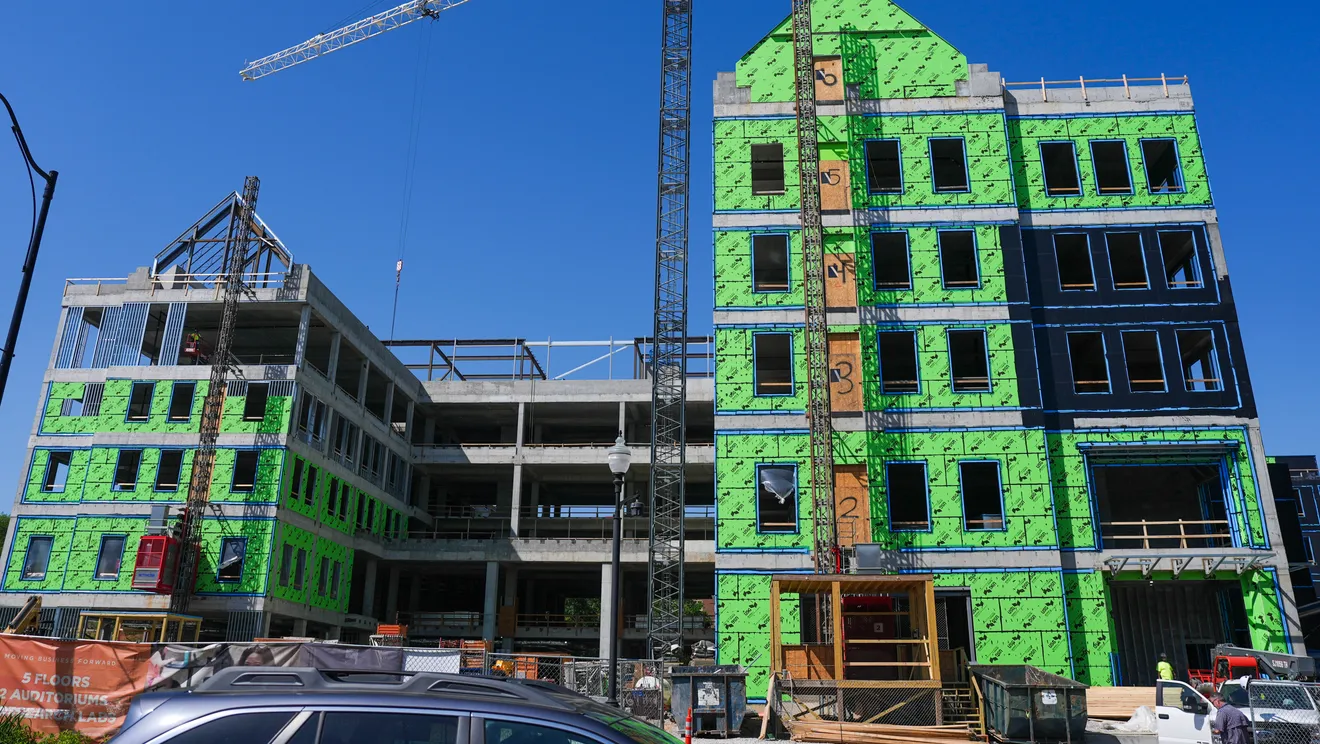
UT Knoxville is naming its newest business building Randy Boyd Hall and moving forward with a national security center tied to the project, all around a $227 million build that signals major public and private backing for higher education infrastructure[1]. That kind of capital commitment is the kind of thing Memphis leaders, Shelby County officials, and local higher education partners should be pointing to when they talk about competitiveness, talent retention, and whether this region is building for the next decade or just patching today’s gaps[1].
The contrast is hard to miss. While Knoxville is putting a major price tag on a single institutional asset, Memphis is still in the middle of budget fights over core services, schools, pensions, and public safety, with city and county leaders asking residents to accept uncertainty about what gets protected first. As we have already reported, Memphis budget season is still defined by what City Hall leaves unsaid, especially around staffing, backlogs, and response times, and MSCS is entering a new power structure with a money fight that has not gotten simpler[1].
What makes the Knoxville story worth watching in Memphis is not the name on the building. It is the signal: large institutions with strong regional backing can still make big bets on place, workforce, and research capacity. For Memphis, that raises the same old civic accountability question: who is making the equivalent investment here, and who is responsible when the answer is no one?
A city that wants to keep and attract talent cannot rely only on speeches about growth. It has to show actual capital plans, clear funding priorities, and measurable outcomes. If Knoxville can rally around a $227 million project that combines business education and national security ambitions, Memphis residents are justified in asking why their public institutions so often appear to operate in separate silos, with no comparable shared vision for workforce development, research, or neighborhood impact.
Why this matters for oversight
The responsible officials and institutions here are not Memphis City Hall alone, but the broader ecosystem that decides whether Memphis gets serious investment, including the University of Memphis, Shelby County government, the city administration under Mayor Paul Young, and the civic and business partners who shape regional spending. If Memphis wants to compete with places like Knoxville, residents should ask: where is the plan for major capital investment, who is accountable for it, and what specific project shows Memphis is building for the future instead of just managing decline?
As previously reported, Memphis budget fights have already exposed how much City Hall leaves undefined. That is the right lens for comparing Knoxville’s move with Memphis’s own priorities: what does the FY27 budget proposal leave unsaid about long term investment, and which agency or leader is actually willing to make a real bet on the city’s future?
What to watch next: whether Memphis leaders use this kind of regional capital project as a benchmark, or whether the city keeps treating major investment as someone else’s problem while residents are left to absorb the costs of underbuilding.