MEMPHIS CITY COUNCIL
MEMPHIS, August 4, 2026 - A proposed amendment to the Memphis city charter that would let the City Council create administrative procedures for appeals affecting the employment status of civil service employees passed third and final reading on August 4 and will go to city voters in November.
Ordinance No. 5978, sponsored by Vice Chair Chase Carlisle, had been held from the council's July 21 meeting. Councilwoman Janika White reported it to the floor without recommendation, meaning the committee took no position on whether it should pass.
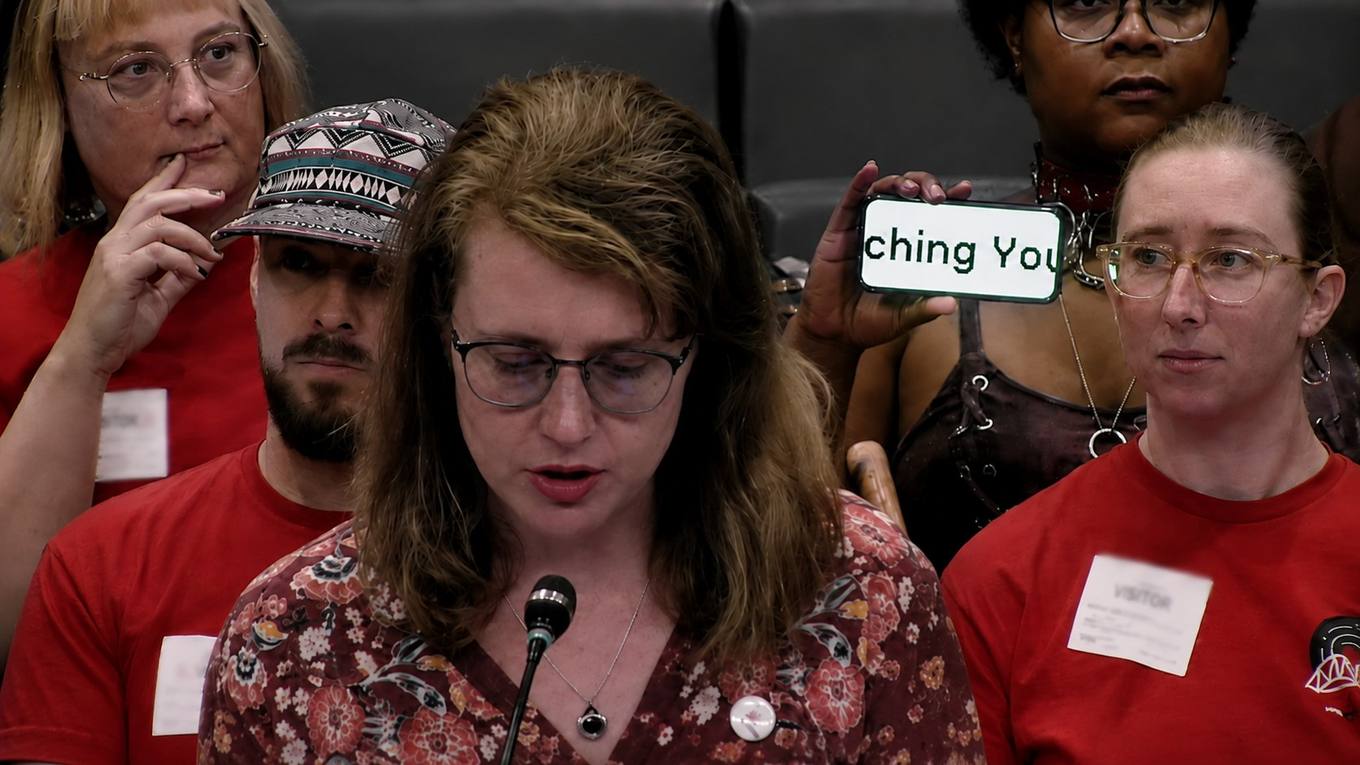
Four residents spoke against it or asked for an explanation of it. A fifth withdrew his comment card.
What the speakers asked
The first speaker asked why the amendment was coming now, months after the council placed a separate civil service question on the same November ballot for library workers. She asked how voters seeing two civil service measures on one ballot would know which protects workers and which might undermine those protections.
Vice Chair Carlisle answered from the dais that he had said when the library referendum passed that he would come with something like this, and apologized if he had not been clear.
The second speaker said her legal background suggested the ordinance would sidestep procedures already in place and take due process away from civil servants, and asked the council either to vote no or to explain in detail how the new procedures would differ from the existing ones.
The third speaker said she did not fully understand what the ordinance does and that this was the problem. She said the phrase "uniform administrative procedures and systems for disposition of appeals that may affect the employment status of civil service employees" is vague language for something that can change how thousands of city workers are protected.
The fourth speaker asked whether the referendum would give elected officials more power over government workers, how it would affect the appeals and grievance process, whether it would threaten the independence of the civil service board, and why it was moving now while library workers are seeking those same protections.
What the council attorney said
The council attorney responded by asking the speakers to raise a hand if any of them knew what the Tennessee Uniform Administrative Procedures Act is. He said they did not, and then explained it.
He told the body that the Tennessee Supreme Court has held that any time a municipal government has a proceeding that affects the employment rights of its employees, it must give adequate due process, and that the court identified the Tennessee Administrative Procedures Act as the process that is due. He said that act gives employees the right to counsel, a trial-like process, and appeal rights to chancery court, and that it has been used in Tennessee for disciplinary actions against university teachers and doctors at state-owned hospitals.
He said the current charter provision gives an employee a hearing before the Civil Service Commission but does not spell out the process, the procedure, or the framework, and that the amendment is intended to level the playing field rather than tilt it. He said the city presently has no process for how administrative law judges hear these cases and no process for how they are appointed, and that the ordinance conforms the city's actions to what the Supreme Court requires.
Asked why now, he said the city gets to amend its charter only once every two years. He said the same approach is used for pension appeals and on-the-job injury appeals, that those already go to chancery court when an employee is disadvantaged, and that Shelby County has used the act for decades.
He then told the speakers that nobody is hurt by the amendment and that he understood they were unhappy because they did not understand what the act is. An audience member responded audibly and the chairwoman called for order.
Vice Chair Carlisle added that the reason for the change is that the current process is broken, that human resources has reported it can take up to two years to clear a case, and that this is a problem for both employee and employer. He said the ordinance had been public through four meetings and would be published and on the ballot in November.
The dissent from the dais
Councilwoman Pearl Eva Walker used her time to raise a different point. She said the council had passed the library workers' civil service ballot question a few months earlier, that she supported it with reservation because not all library employees knew about it, and that there are still library employees who do not know about it. She asked whether the demand for information and clarification is being applied selectively.
The roll call was taken. Councilman JB Smiley Jr. was the only member recorded voting no. The ordinance passed.
Immediately before it, the council took up item 13, Ordinance No. 5977, the referendum ordinance establishing lobbyist registration and disclosure requirements. It also came down without recommendation and also passed on third and final reading, with no recorded no votes. Vice Chair Carlisle, its sponsor, asked colleagues to put it on the ballot and let the people speak, and called it low-hanging fruit that should have been done a long time ago.
Councilwoman Yolanda Cooper-Sutton asked when the amendments would appear on the ballot. The answer given from the dais was this November, and that the time between now and then is needed to explain the measures to constituents.
Both charter amendments now go to Memphis voters at the same election. So does the library workers' civil service question.
There are two honest readings of what the council did. One is that a charter amendment governing how thousands of city employees appeal actions against their jobs passed on language four residents at the podium said they could not parse, in a meeting where the explanation came from the dais rather than from the ordinance. The other is that the amendment supplies a framework the charter currently lacks, that the Tennessee Supreme Court requires it, that the alternative is an appeals process that can run two years, and that voters will make the final decision in November either way. The record supports both.
What happens next
Both referendum ordinances passed third and final reading and are directed to the qualified voters of the City of Memphis at the next state general election. Vice Chair Carlisle said the civil service measure will be published in the paper before the vote. If voters approve it, the council would then have to pass a separate ordinance actually establishing the procedures, which has not been drafted on this record.
Your city. Your money. Your receipts.