Federal utility aid got harder to claim and smaller in size. Memphis Light, Gas and Water turned its downtown community office into an application center, trained more than 100 volunteers in three days, and ran 13,649 customers through it.
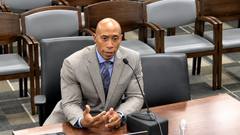
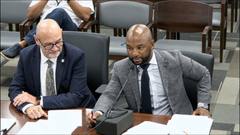
MEMPHIS, August 18, 2026 - The president of Memphis Light, Gas and Water told the Council's MLGW Committee that the utility saw 13,649 customers at a temporary application center it built to keep federal utility assistance money from going unclaimed.
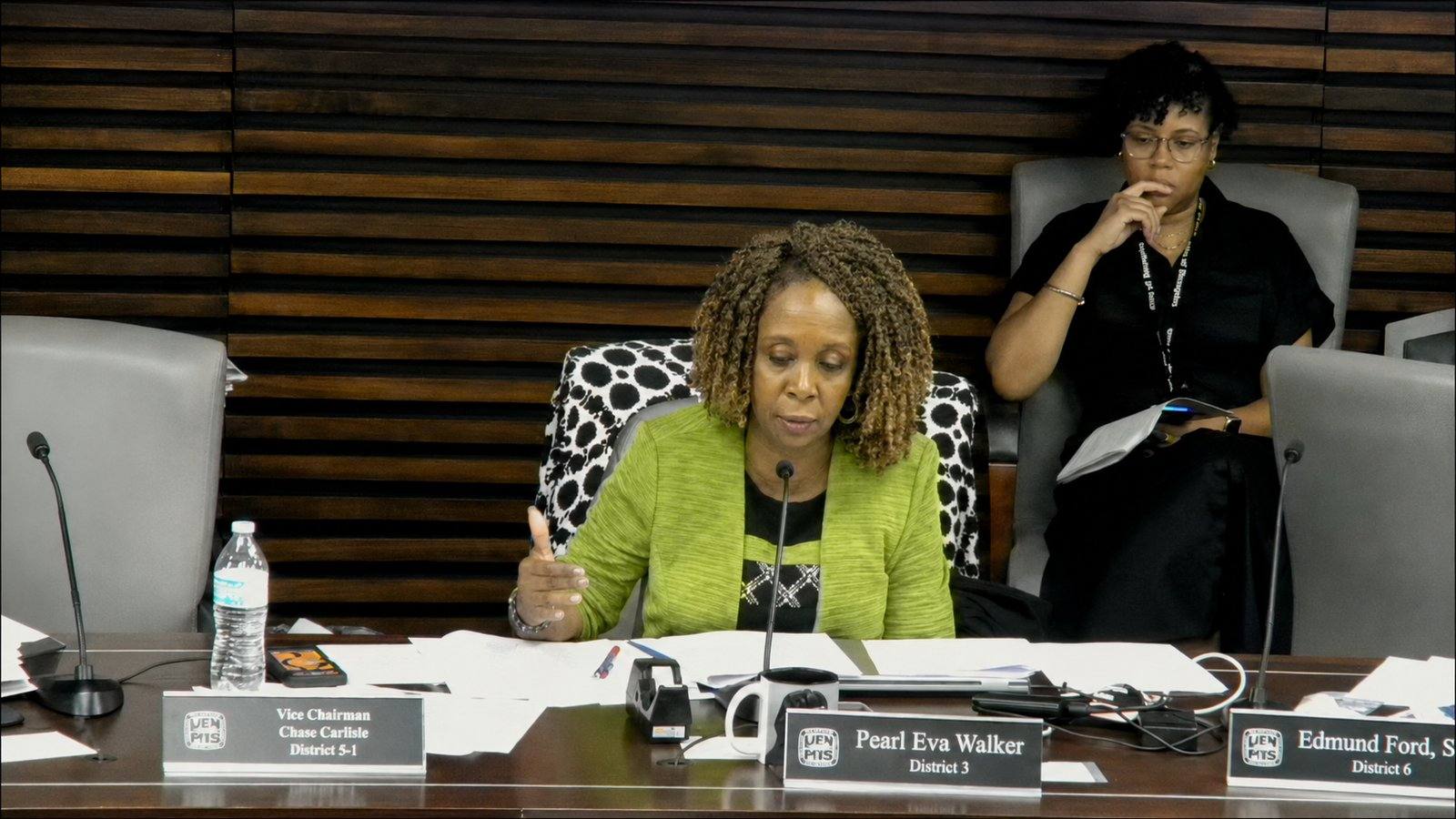
The Low Income Home Energy Assistance Program is a federal program that helps low-income households pay heating and cooling bills. It applies only to the electric and gas portion of a customer's bill. The utility's account of what changed this year, given in response to a question from Chairwoman Pearl Eva Walker, was that the qualifying requirements became more stringent, the amount an individual household could receive was lowered, the total funding was lowered, the money arrived later in the year than usual, and the process moved entirely online. The deadline did not move. It remains September 2026.
What the utility says the change did locally
The utility said Shelby County Community Services Agency, which administers the program, typically helps about 25,000 customers a year and administers about $18 million. Asked by Councilman Dr. Jeff Warren what percentage the funding dropped, the president said about 50 percent. He said the agency was overwhelmed and lacked capacity to help customers navigate the new application and to review and approve applications at the same time.
Before the change, he said, a customer needed only to show up with a cutoff notice and fill out a piece of paper. The new process requires an email address, twelve months of utility bills in electronic form, and an online submission.
What MLGW did about it
The utility converted its downtown community office entirely into a processing center. More than 100 employees volunteered and were trained in three days. The center stood up on June 14, 2026, and began seeing 300 customers a day, rising to as many as 500.
Staff created email addresses for customers who did not have one, downloaded twelve months of bills, screened people for documentation before they entered the line so they would not wait without it, and sat with customers to fill out applications. On one occasion a team went to Wesley Highland Meadows and signed up 60 seniors on site.
As of August 4, 2026, the utility reported 13,649 customers seen, roughly 12,000 applications successfully processed, and 9,000 applications waiting for the Community Services Agency to validate and pay. It reported $6.6 million in assistance obligated, an average of about $580 per customer, and $1.6 million already paid onto customer accounts. The utility said it expects the remainder to be paid over the following weeks.
The president also stated the cost. The utility had been holding call center wait times well under a minute. Most of the volunteers came from the call center. Wait times rose to five and six minutes, and on one day reached thirteen. He described that as a trade-off the utility chose to make.
The last customer was seen the week before the meeting. The utility said it will revert the community office to its normal function and continue working with the Community Services Agency on the back end so the remaining applications get paid.
What comes next year is unresolved
The president told the committee he does not know what the utility will do next year, that the process has become too onerous, and that the utility cannot afford to have 100 people doing work they were not hired to do. He said MLGW will work with the county and the state on making the process easier to navigate.
What happens next
The application deadline is September 2026. The utility said it is continuing to work with the Community Services Agency on validating and paying the roughly 9,000 pending applications. No return date to the committee was set.
Your city. Your money. Your receipts.