The resolution buys qualifying medical debt at a fraction of face value and abolishes it. No application is required. The nonprofit told the Council it will not say which providers it buys from without their consent.
MEMPHIS, August 18, 2026 - The Memphis City Council voted to spend $159,202.77 acquiring and permanently eliminating $17,053,749.58 in qualifying medical debt owed by approximately 12,169 people living in designated Memphis-area ZIP codes.
The resolution, sponsored by Councilwoman Jerri Green, reduces $200,000 from the Community Initiatives Grants for Non-Profits line in the FY2027 general fund and splits it two ways: $159,202.77 to the nonprofit Undue Medical Debt and $40,797.23 to the Memphis Light, Gas and Water Plus-1 utility assistance program.
The filed text is explicit about where the money comes from. The $200,000 reduction is applied entirely from Councilwoman Green's FY2027 Community Grant Program allotment, "resulting in a remaining Fiscal Year 2027 Community Grant balance of Zero Dollars ($0.00) for Councilwoman Green." Any further amendment to the line requires prior Council approval.
How the mechanism works
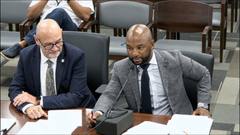
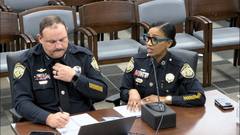
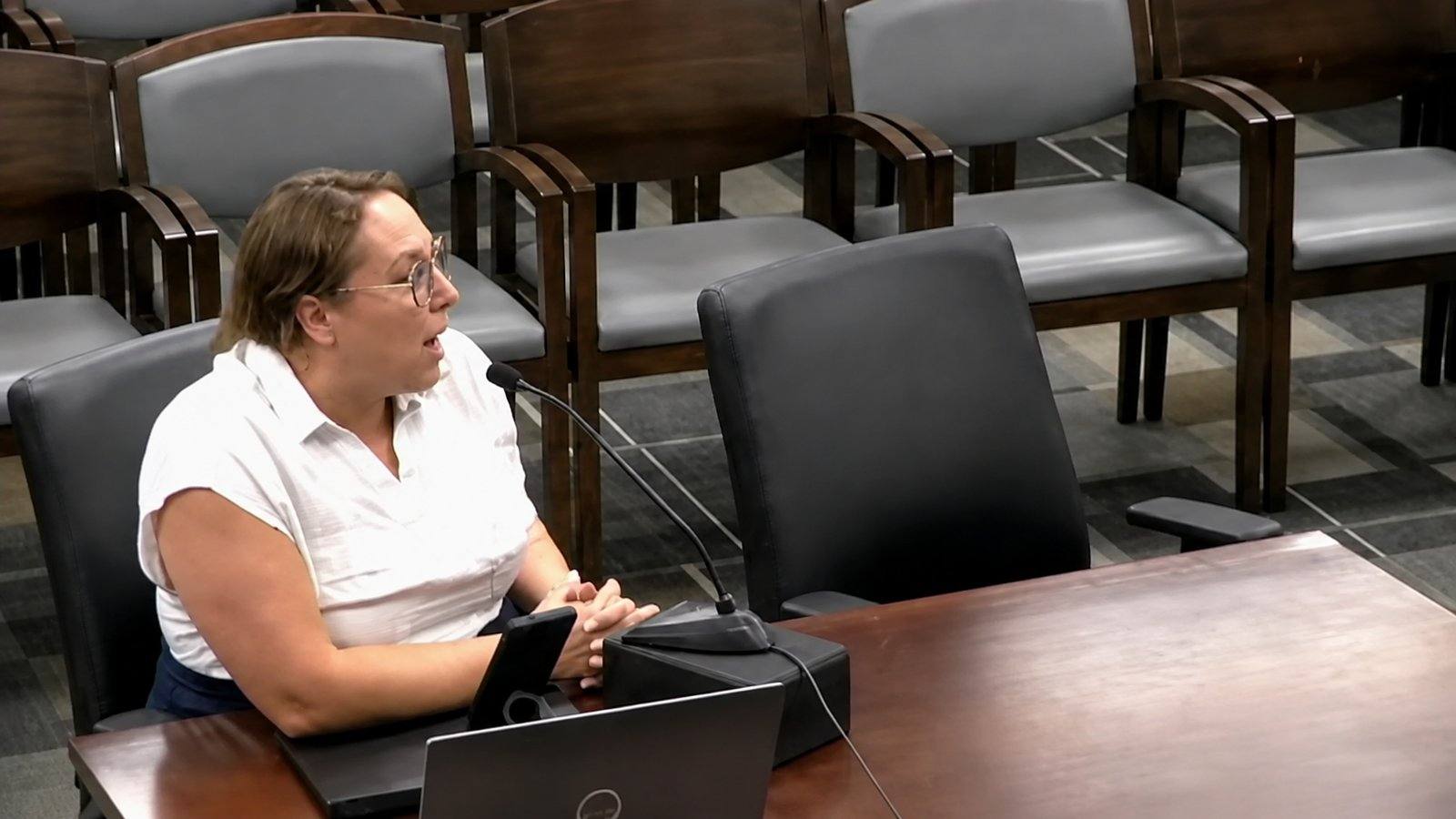
A representative of Undue Medical Debt presented to the Budget Committee before the vote. The nonprofit buys medical debt on the secondary market, where it has already been sold to collectors, and also directly from hospitals and health systems, at what the presenter described as pennies on the dollar. It then abolishes the debt rather than collecting on it.
Two criteria determine eligibility, according to the presenter: household income at or below 400 percent of the federal poverty level, or medical debt exceeding five percent of income. No one applies. Eligible recipients are identified through the nonprofit's own qualification process and notified by letter that the debt has been permanently forgiven. The resolution codifies that: recipients "shall not be required to submit an application or request assistance."
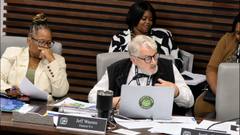
Councilman Dr. Jeff Warren asked whether the model is buying debt from the entities that already bought it for collections. The presenter confirmed both channels and said most hospitals do not sell their medical debt to collectors, using in-house or third-party collectors instead. Councilman Warren said he would be willing to contribute some of his own grant funds to the same purpose and suggested each member might give $10,000 rather than one member spending an entire allotment. Councilwoman Green declined, saying she is being careful this year about where she gives out money.
What the nonprofit would not say
Councilwoman Yolanda Cooper-Sutton asked which hospitals, clinics and areas the debt would be bought from. The presenter said that for this particular program the nonprofit would be purchasing debt it already holds, accumulated through other purchases, rather than establishing new provider relationships, which she said take two to three years. Asked who the nonprofit partners with nationally, she said they do not disclose partners without consent.
Councilwoman Rhonda Logan asked whether demographic information on recipients is kept and whether it is available to the public. The presenter said the city would hold that information under its contract and that the nonprofit does not make it public itself, but offered to share dashboards other cities have published. Councilwoman Logan asked for that by email.
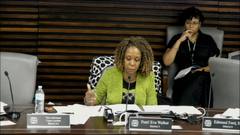
Councilwoman Pearl Eva Walker noted from the dais that medical debt is the leading cause of bankruptcy nationally. Councilwoman Green said she had been told 60 percent of Tennesseans cannot afford a $300 emergency.
The vote
The Budget Committee sent it down with a favorable recommendation and a request for same night minutes. On the floor it was called as add-on item 19, moved by Councilwoman Janika White and seconded by Councilwoman Green, and passed with nine members recorded voting yes. Councilwoman Green then thanked her colleagues, saying more than 12,000 families in Memphis would have their medical debt erased.
What happens next
The medical debt resolution took effect that night under same night minutes. The $2,587,000 nonprofit grant resolution was held until September 1, 2026.
Your city. Your money. Your receipts.