MEMPHIS, Tenn. - The Shelby County District Attorney will not file criminal charges against the federal agent who shot and killed Darrin Pigram inside a Frayser Burger King in May, and has released surveillance video of the shooting that the man's family says contradicts the official account.
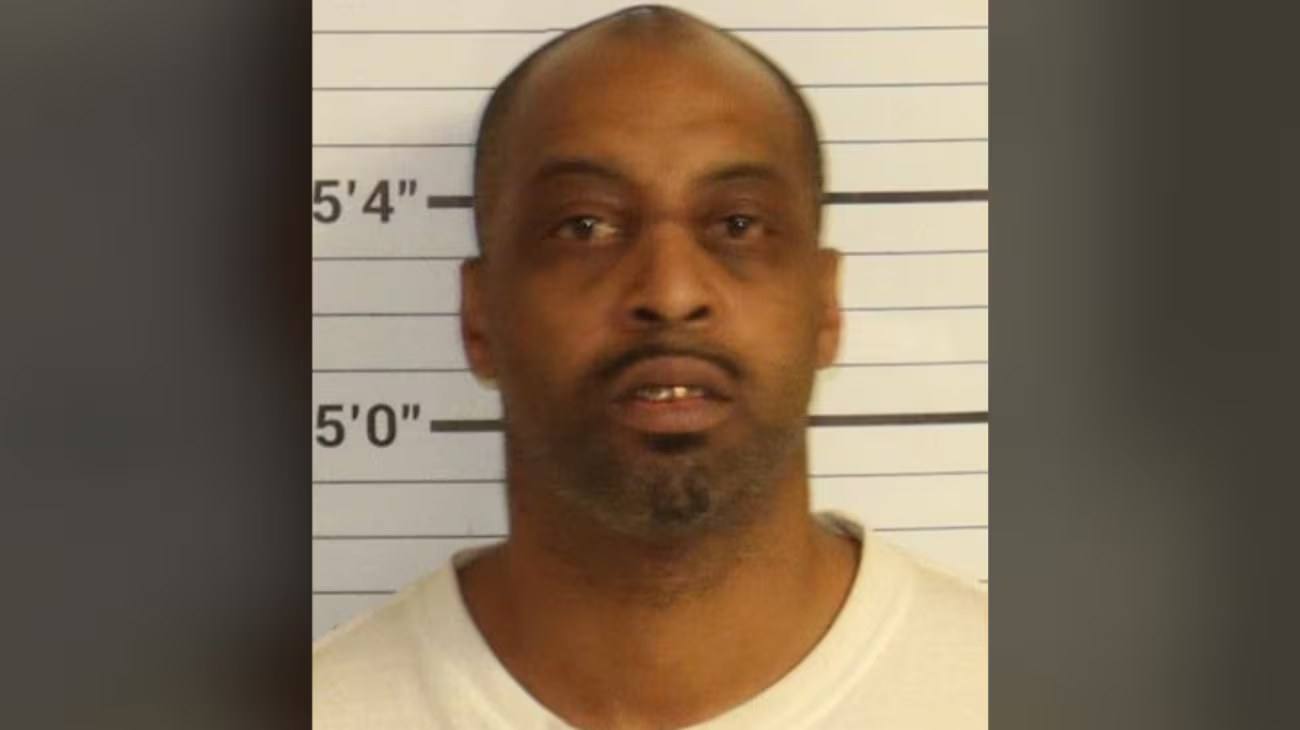
District Attorney Steve Mulroy's office announced the decision Monday. Pigram, 41, was working his shift at the restaurant on North Hollywood Street on May 13 when Drug Enforcement Administration agents assigned to the Memphis Safe Task Force entered to serve an arrest warrant. The office concluded the use of deadly force was legally justified and that the evidence did not support a reasonable likelihood of conviction. That conclusion was based on a review of the evidence, the Tennessee Bureau of Investigation's investigation, and state law governing law enforcement use of force.
Pigram's death was the first of four fatal shootings this year involving officers assigned to the task force. All four were referred to the Tennessee Bureau of Investigation, which investigates officer-involved shootings statewide.
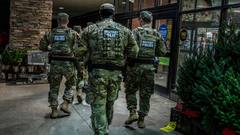
On Wednesday, the district attorney's office released surveillance footage collected during the investigation. According to the office, no body-worn camera video exists. Court and investigative records described in news accounts indicate a Memphis Police officer entered the restaurant first and reported back to four DEA agents, all four of whom then entered, two carrying rifles, and asked Pigram to step out from behind the counter. None of the DEA agents were wearing body-worn cameras.
The accounts of what happened next remain in dispute. The DEA has said Pigram reached toward his waistband to produce a firearm, and that an agent fired in response. Pigram's family has maintained that he was not armed and was shot in the back.
Andre Wharton, an attorney representing the family, said he reviewed the district attorney's declination letter and the surveillance video. He said the letter concludes deadly force was necessary because Pigram lifted his shirt, reached for a firearm, and became aggressive, and that the video the family viewed does not show those actions. He described a confrontation that unfolded within seconds, with Pigram moving backward as the agent advanced before firing. Wharton said the family disagrees with the decision not to bring charges and that the report does not end their effort to establish what happened.
The warrant agents were serving stemmed from a January altercation with neighbors over loud music, according to court records, in which Pigram was alleged to have brandished a gun. He was wanted on charges of aggravated assault, aggravated burglary, and employing a firearm during the commission of a felony. Court records show one prior misdemeanor conviction in Shelby County. Those charges were allegations that were never tried, and Pigram was never convicted of them.
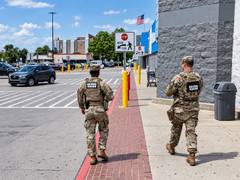
The Memphis Safe Task Force was established in September under a federal executive order and combines federal agents, state troopers, and Tennessee National Guard soldiers operating in Memphis. Its use of force has drawn sustained scrutiny, including calls from faith and business leaders for the unit to leave the city.
Why It Matters for Memphis
A prosecutor's decision not to charge is where most police shooting cases end. There is no trial, no cross-examination, and no public airing of the evidence unless the prosecutor chooses to release it. That makes the completeness of the record the only thing standing between the public and a permanent unanswered question. In this case, four federal agents entered a fast food restaurant to make an arrest and none of them was recording. The absence of body-worn camera footage is not a technicality. It is the difference between a video record of what happened and a reconstruction assembled afterward from the accounts of the people involved.
Your city. Your money. Your receipts.