MEMPHIS, Tenn. - Two fatal shootings in four days have pushed the Memphis Safe Task Force to the center of a widening accountability fight, with faith and business leaders publicly calling for the multi-agency federal unit to withdraw from the city.
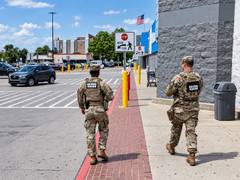
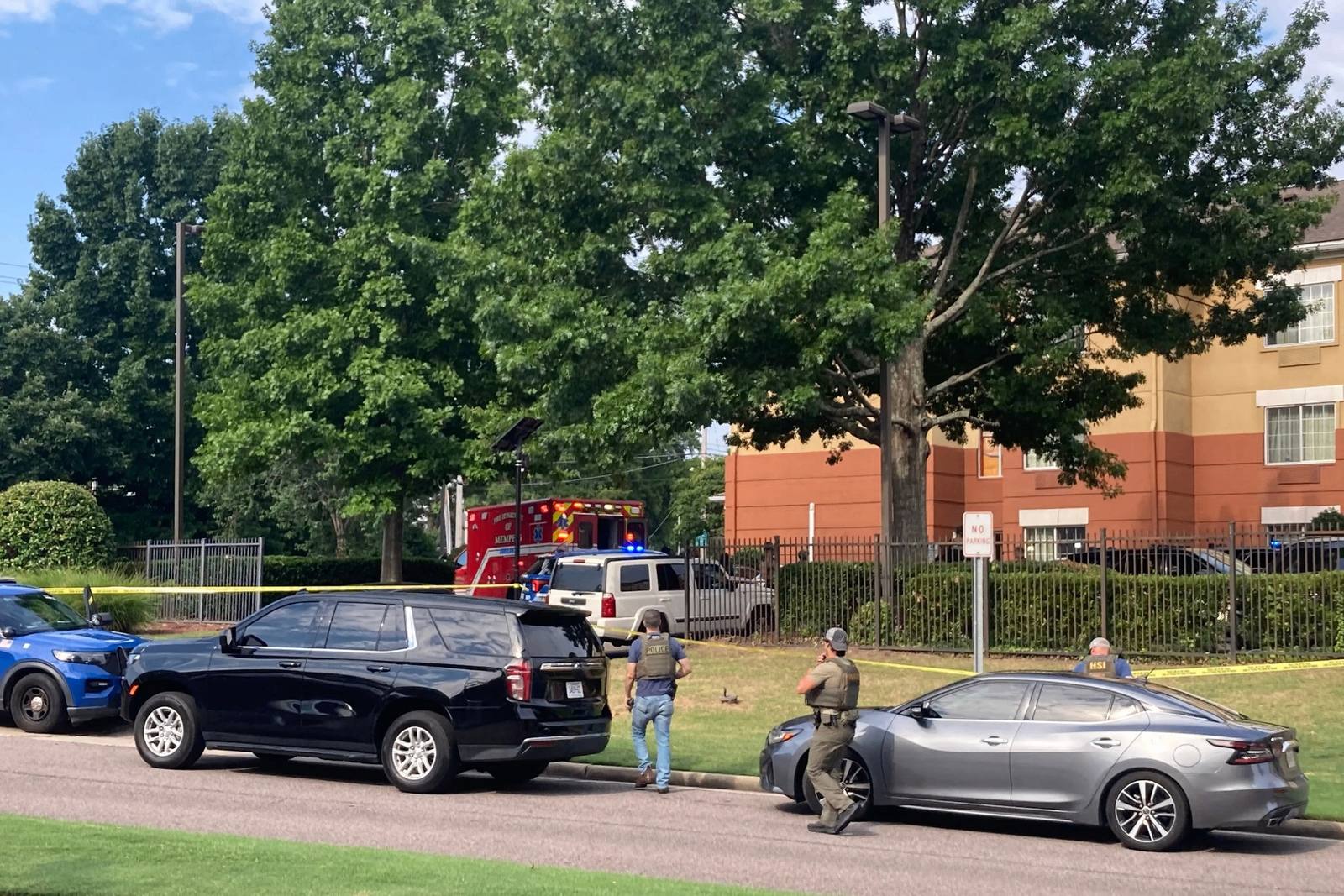
The most recent death came on July 8, when a U.S. Drug Enforcement Administration agent assigned to the task force shot and killed a man during a drug-warrant operation at a hotel on Poplar Avenue, according to the U.S. Marshals Service and the Tennessee Bureau of Investigation. WREG has identified that man as Alfonso Ivy. Three days earlier, on July 5, two Tennessee National Guard soldiers assigned to the same task force shot and killed 20-year-old Tyrin Johnson during a foot pursuit near Ida B. Wells Avenue and Union Avenue.
The Tennessee Bureau of Investigation, which examines officer-involved shootings across the state, is investigating both deaths. According to information the bureau has provided to news outlets, at least four people have died in encounters involving task force officers since the unit launched in September, and the bureau is now reviewing eight separate use-of-force incidents connected to the task force. Seven of the eight involved officers firing their weapons; the remaining incident involved a person being run over. None of the officers involved has been publicly identified.
The account of Johnson's death is contested. The Memphis Police Department said National Guard members fired because Johnson turned toward them with a gun. The Tennessee Bureau of Investigation, in a preliminary statement, said that for reasons under investigation the situation escalated and two soldiers fired on Johnson. Johnson's family has disputed the official version and asked for the immediate release of body-camera and surveillance footage. His grandfather, Evaniel Johnson, told the Associated Press that Tyrin had taken college classes, was a new father, and carried a weapon for protection. Local lawmakers described him as a student and young father.
The earlier deaths this year followed a similar pattern of contested circumstances. In May, the bureau said a DEA agent shot and killed 41-year-old Darrin Pigram while serving an arrest warrant, after Pigram allegedly reached for a gun. Later that month, a Homeland Security special agent fatally shot 25-year-old Jonah Neal after task force members responded to a report of an armed man threatening self-harm.
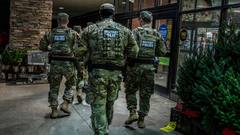
The Memphis Safe Task Force was established in September under a federal executive order and deploys federal agents, state troopers, and Tennessee National Guard soldiers in Memphis, a majority-Black city. State figures cited by news outlets put the number of National Guard members currently assigned to the task force at roughly 1,450.
Calls for the unit to leave have grown louder. A week after Johnson's death, faith and business leaders held a press conference urging the task force to withdraw. The NAACP Legal Defense Fund called for National Guard troops to be pulled back from Memphis, citing the fatal shootings alongside complaints of civil rights violations. Memphis Mayor Paul Young called Johnson's death an unfortunate incident and said he would wait for the bureau's investigation before commenting further. He has not called for the task force to leave. Two Memphis Democrats in the state Senate, Minority Leader Raumesh Akbari and Caucus Chairwoman London Lamar, called for a transparent accounting and the release of available footage.
Supporters of the deployment have argued the task force is a response to violent crime in the city. The competing accounts of the individual shootings remain unresolved pending the state's investigations.
Why It Matters for Memphis
A death in police custody or during a police encounter is the most serious action government can take against a resident, and four have now occurred under a single task force in roughly ten months. When the officers involved are federal agents and National Guard soldiers rather than local police, the ordinary channels of local accountability, an elected mayor, a city council, a police chief answerable to voters, do not cleanly apply. That gap is the heart of the public's concern: residents cannot easily see who answers for these deaths, or how.
The Oversight Question
Who holds a federal task force accountable to the city it operates in? The officers are not MPD employees, the investigations sit with a state bureau, and the deployment flows from a federal order. Residents are left to ask which official, at which level of government, they can hold responsible for four deaths, and whether the public will ever see the evidence behind the official accounts.
Update, October 11, 2026: On July 20, 2026, the Shelby County District Attorney's office said it would not charge the DEA agent who fatally shot Darrin Pigram, finding the force legally justified; Pigram's family disputes that account. The autopsy of Tyrin Johnson, released August 27, 2026, found he was shot in the back; the TBI investigation remains open, and the District Attorney has said he will decide how to proceed once its findings are final, Action News 5 reported.
In Jonah Neal's case, later reporting said it was not yet clear whether he died from gunfire or from self-inflicted stab wounds, according to Tennessee Lookout. The TBI's open reviews of task force use of force are covered in The 901 Report's follow-up: "The TBI Is Investigating Eight Use of Force Incidents by Memphis Safe Task Force Officers".
Your city. Your money. Your receipts.