MEMPHIS, Tenn. - Two hundred miles from Memphis, the same question the TVA board just answered in public is being answered in private.
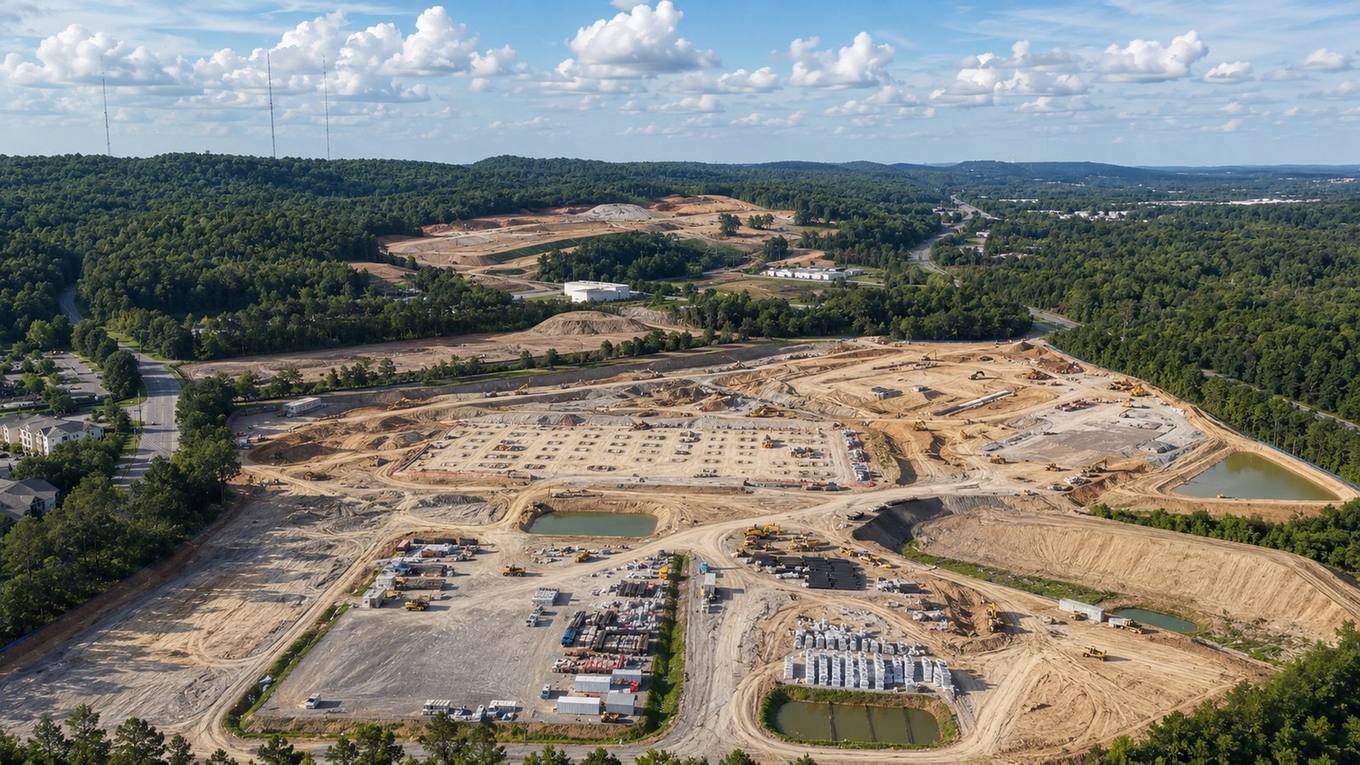
Proposed data centers across Alabama would, at full capacity, consume more electricity than every home in the state combined, according to an Inside Climate News analysis published August 19, 2026 via Route Fifty. The individual projects are staggering: Project Marvel, near Bessemer, would use 90 times more energy than all Bessemer residences combined, and Project Red Clay in Lowndes County has requested 1,500 megawatts, roughly a nuclear reactor's output, plus up to 100,000 gallons of water daily.
Alabama Power, the state's largest utility, advertises that data centers "are required to pay the full cost to serve their energy needs so costs aren't shifted to you." The analysis found that claim cannot be publicly verified: the contracts are heavily redacted, and local officials have signed non-disclosure agreements around the projects. Alabama Power's second-quarter 2026 profits were up 15 percent year over year, per the analysis.
The rules are about to change, at least on paper. Alabama's SB 270 takes effect October 1, 2026, requiring the Public Service Commission to consider whether data center contracts serve the public interest, and the commission is accepting public comments now on how it will enforce the law.
The Memphis-region counterpart is one day older and points the other way. On August 20, 2026, the TVA board, meeting in Memphis, created a data center rate class described as protecting residential and manufacturing customers from subsidizing data center infrastructure costs. Same tenants, same load growth, same who-pays question, two transparency models: a rate class published under a federal authority's own release on one side of the state line, redacted bilateral contracts and NDAs on the other. The 901 Report has reported that twenty-three states have approved large-load tariffs making data centers pay their own power costs, and that Tennessee wrote an exception instead.
The comparison has limits worth stating: Alabama Power is an investor-owned utility regulated by an elected commission, while TVA is a federal corporation that sets its own rates, and a rate class and a bilateral contract are different instruments. It also has a limit on the TVA side. WPLN reported the rate change was presented on a single slide with the supporting analysis unreleased, which means the published version is a principle, not yet a set of workings anyone can check. The disclosure question is identical in both places, and it is the one SB 270's implementation will now answer for Alabama.
Why It Matters for Memphis
Memphis is living the same data center build-out with the same water and power stakes. Alabama shows what the no-disclosure version looks like: guarantees residents cannot check, officials under NDA, and profits rising while the contracts stay dark. The TVA rate class Memphis just got is only as good as its published terms, and Alabama is the argument for insisting those terms get published.
Your city. Your money. Your receipts.