NATIONAL
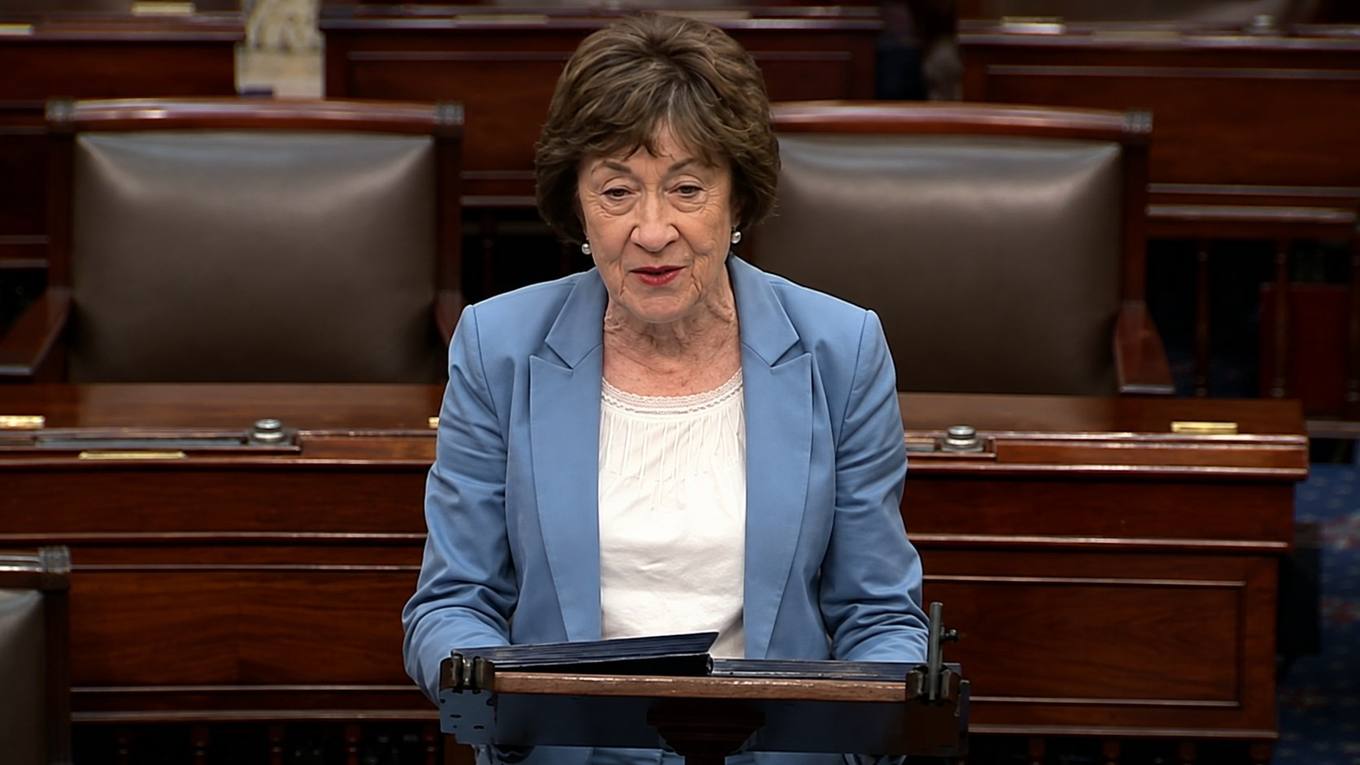
WASHINGTON - Before leaving for its August recess, the U.S. Senate passed its stopgap spending measure by a vote of 90 to 6, moving a bill that would fund the federal government through December 11, States Newsroom reported on August 8. The House and Senate versions of the continuing resolution differ, and the House must reconcile them before the measure reaches the President's desk, so the stopgap is not law.
The Senate's version is the measure The 901 Report examined on August 4, which would fund the government through December 11 and block a grant-approval chokepoint that has slowed federal money on its way to local governments.
The Senate's final stretch produced other outcomes with federal reach. Todd Blanche was confirmed as U.S. Attorney General, with Senator Susan Collins of Maine and Senator Lisa Murkowski of Alaska the Republican votes against. A separate elections measure, the SAVE America Act sponsored by Senator Jon Husted of Ohio, which would have required photo identification to vote in federal elections and proof of citizenship at registration, failed 52 to 46, short of the 60 votes needed to advance. Every voting Democrat opposed it, and Senator Mike Lee of Utah said afterward, "This fight's not over. We're just getting started." The Senate also passed a Russia sanctions bill 86 to 11.
Supporters of the stopgap cast the 90 to 6 margin as evidence both parties preferred a quiet December to a shutdown fight; opponents of stopgaps generally argue that governing by continuing resolution defers every real spending decision. Both things can be true of the same bill.
Why It Matters for Memphis
The grant-approval provision is the Memphis line in this bill. The 901 Report reported on July 29 that Memphis is the named model in a $300 million federal grant program whose applications close September 1, and on August 4 that the Senate stopgap would block a chokepoint in federal grant approvals. Whether that provision survives the House version determines the rules under which federal grant money moves toward Memphis agencies this fall. Until the House acts, nothing in the bill, including that provision, is in effect.
The Oversight Question
A 90 to 6 vote is consensus on the deadline, not on the details. Which chamber's grant-approval language survives, and will anyone in the Shelby County delegation say which version they support before the House votes?
Your city. Your money. Your receipts.