MEMPHIS, July 27, 2026 - The Shelby County Board of Commissioners voted 9 to 3 on Monday to borrow up to $125 million to pay the county's operating bills until property tax revenue arrives between December and February.
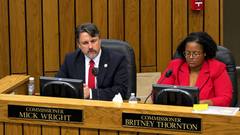
Commissioners Amber Mills, Mick Wright and Brandon Morrison voted no.
The borrowing comes in two pieces. Up to $25 million is an internal loan from the county's own debt service fund. Up to $100 million is an external loan from Regions Bank. Last fall the county borrowed $40 million on the same instrument and took all of it from its own debt service fund. No outside lender was involved.
The number nobody had asked for
At the committee meeting five days earlier, the county's financial adviser described the cost of the borrowing in structure but not in dollars. There was an origination fee. There was an unutilized fee. Neither was quantified, and no interest figure was given.
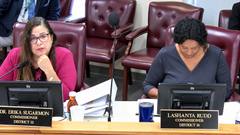
Commissioner Mills asked for the number on Monday. She wanted the estimated all-in cost to taxpayers, legal fees and preparation costs included, on top of the interest.
The answer: about $15,000 in legal and origination costs on the bank side, plus a small unutilization fee, plus interest in the range of two to three million dollars. The adviser cautioned that the interest figure is preliminary and depends on how quickly the county draws the money down.
The terms
Budget Committee Chairman Michael Whaley asked finance to confirm the pricing on the record. The external note carries a rate of 75 percent of the Secured Overnight Financing Rate plus a spread of 42 basis points, reset monthly. Pulled that day, the adviser said, the rate would be around 3.38 percent.
The deputy director of administration and finance added the market context: the 180-day average for SOFR was 3.66 percent and the 30-day average 3.61 percent, roughly flat over the prior six months, with no guarantee about future rates.
Commissioner Mills also pressed on why a loan restricted to operating expenses referenced capital projects in three places. Bond counsel explained that Regions had asked for a copy of the county's capital improvement plan from fiscal 2022 through 2026 for its own records, and that Article 9 of the loan agreement makes it an event of default if the county spends any Series B proceeds on capital projects or capital costs.
Repayment is expected to begin in December, with full payoff targeted no later than March. State law requires it before the fiscal year ends.
The gap, in the county's own figures
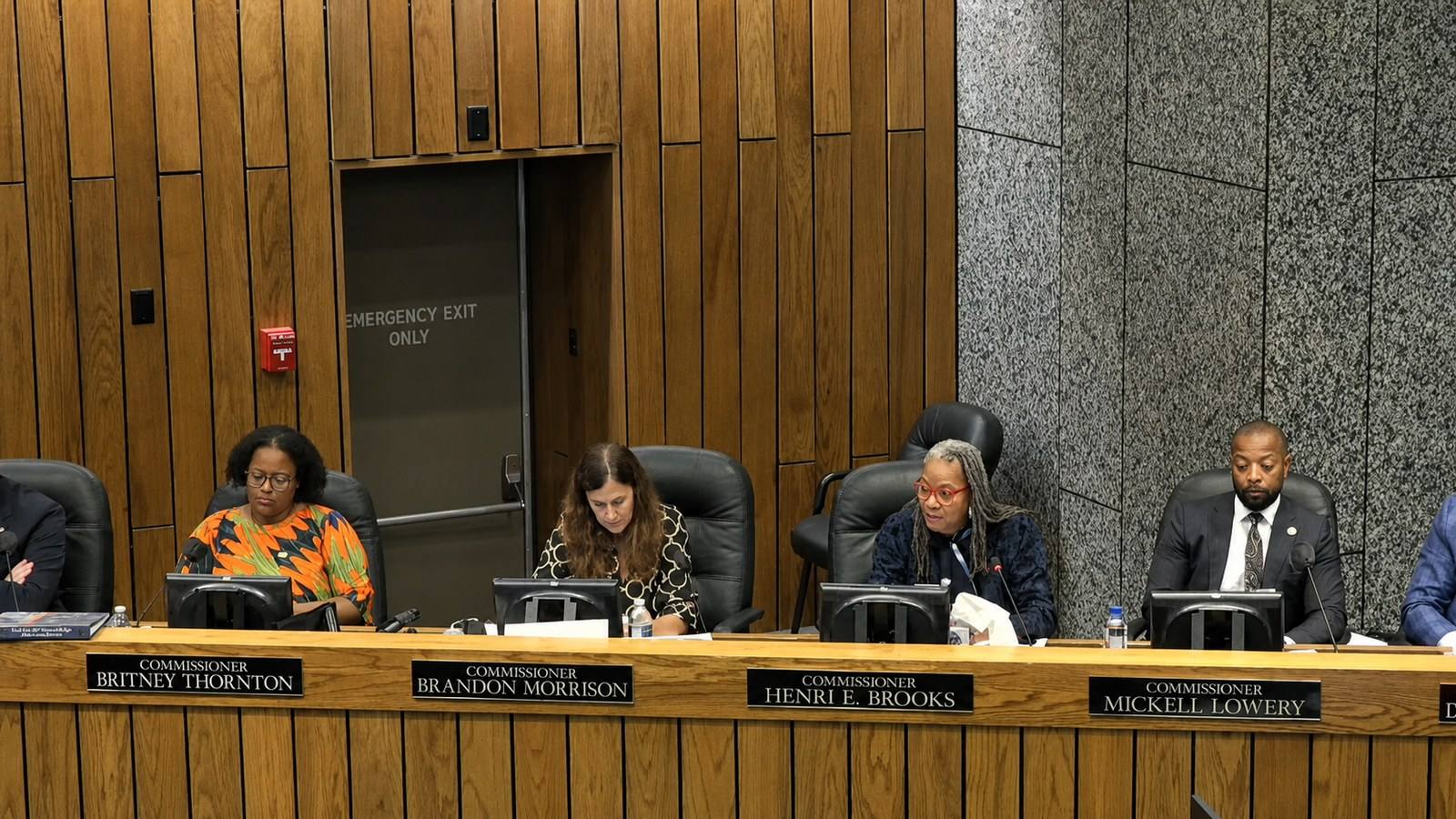
Commissioner Mickell Lowery asked the question that produced the clearest picture of the county's position. It was $40 million, he said, and now it is $120 million. What keeps this body from being here again?
The deputy director of administration and finance answered in numbers.
Cash at the end of fiscal year 2026, still an estimate because the books cannot close until the end of August, will land somewhere in the range of $50 to $60 million. Revenue over the first five months of the fiscal year runs approximately $75 to $80 million. Payroll alone over that period runs approximately $155 million, before operations and maintenance and before payments to partners such as Regional One Health.
Until the county's cash position and fund balance are rebuilt, she said, it will continue to be in a position where it has to borrow.
The disagreement about why
Commissioner Morrison said she did not recall the county using this strategy in the past, and put her position on the record. She said it is concerning that the county is not managing its fund balance, that this amounts to increasing the county's line of credit, and that it is a concern for the county and its citizens that it is having to do this at all. She added that she was not questioning whether staff had done their jobs well.
Director of Administration and Finance Audrey Tipton offered a different account of what fixes it. The county added to its fund balance with the tax rate adopted in June, which she called a noble thing to do. What stops this from happening again, she said, is that the county now has an adopted budget, and following it. The tax anticipation note is sized on the revenue the fiscal 2027 budget expects to bring in. Anything commissioners add on top of that is a planned use of fund balance, and it brings the cash number lower.
Commissioner Mills answered that the county could fund only what it is constitutionally and legislatively bound to fund, and solve much of this.
Vice Chair David C. Bradford Jr. asked what happens if the state comptroller denies the request, noting the comptroller has not been enthusiastic about the county's previous budget submissions. Finance said the state has been fully supportive of the process, as it was last year.
Chairwoman Shante K. Avant closed the discussion before the vote. She called it a hard vote for anyone to make and an opportunity for the body to reset what its spending looks like, and said the lesson is that the county cannot spend what it does not have.
What happens next
The resolution now goes to the state comptroller for final approval. Chairwoman Avant disclosed that same-day minutes had been requested so the item can be processed, signed by the mayor and expedited, and the commission adopted a separate resolution of adjournment, which the permanent rules require when a bond item is approved. Finance told the committee last week it would begin drawing the internal $25 million in July, and agreed to report the county's cash position to the commission monthly rather than quarterly.