Correction, October 11, 2026: An earlier version of this post described the new law as adding compliance and disclosure requirements for cryptocurrency kiosk operators. The law prohibits the kiosks. Under Public Chapter 766, Acts of 2026, effective July 1, 2026, knowingly installing, placing, operating, or allowing a virtual currency kiosk on property one owns, leases, or controls in Tennessee is a Class A misdemeanor, according to a June 4, 2026 bulletin from the Tennessee Department of Financial Institutions. The department asked licensed money transmitters operating kiosks to tell it by June 18, 2026 how they would stop, and said licensees may also face enforcement action.
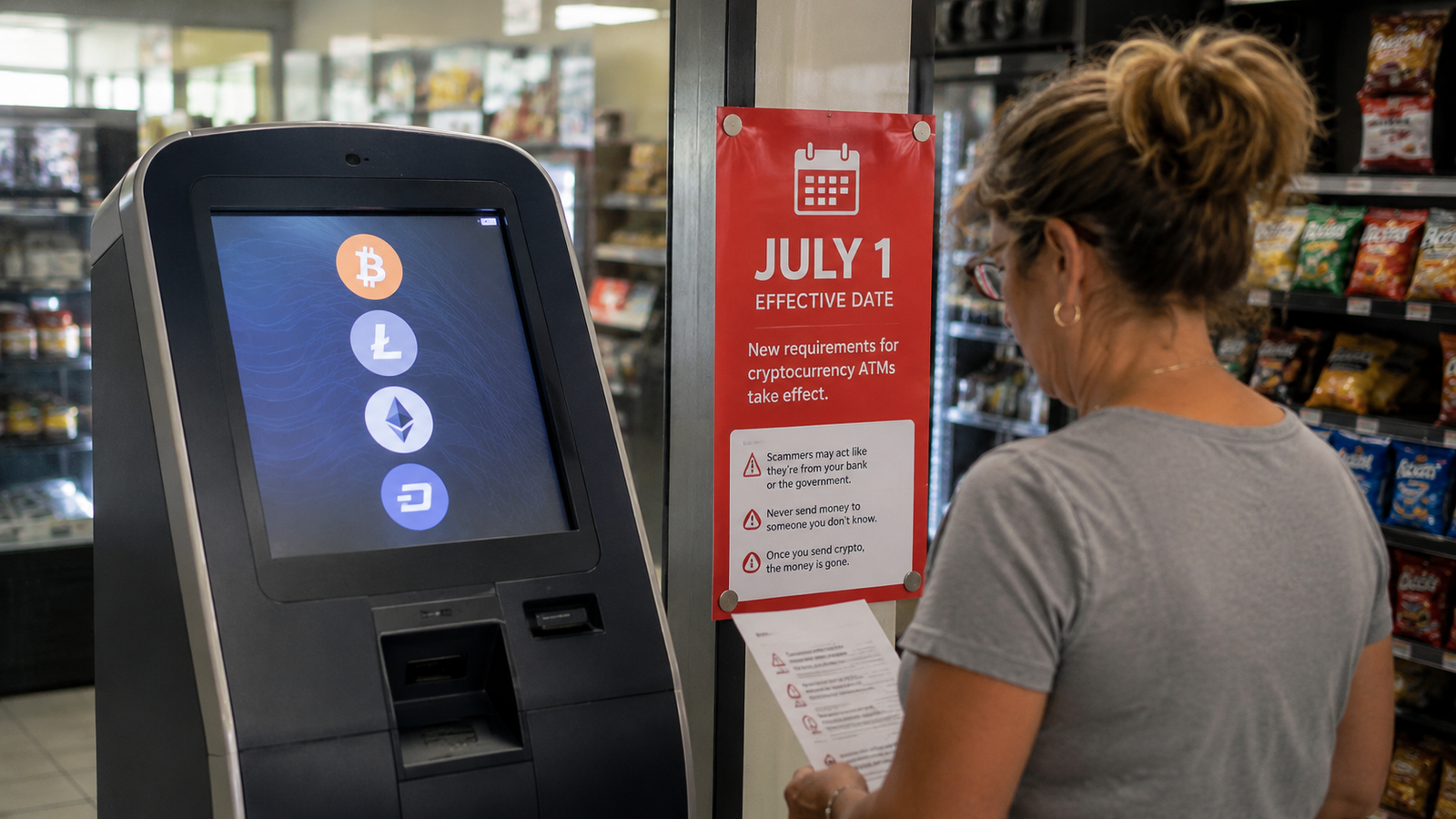
MEMPHIS, Tenn. - Tennessee's ban on cryptocurrency ATMs is set to take effect July 1, marking one of the state's most significant efforts to combat financial scams involving digital assets.
The law targets cryptocurrency kiosk operators and transaction practices that lawmakers say have increasingly been linked to fraud schemes, particularly those targeting seniors and vulnerable residents.
Cryptocurrency ATMs allow users to buy or, in some cases, sell digital currencies such as Bitcoin using cash or debit cards. While supporters view the machines as a convenient entry point into digital assets, law enforcement agencies across the country have reported a growing number of scams in which victims are instructed to deposit money into crypto ATMs under false pretenses.
Under Public Chapter 766, knowingly installing, placing, operating, or allowing a virtual currency kiosk on property one owns, leases, or controls in Tennessee becomes a Class A misdemeanor. The goal is to take the machines out of reach of criminals who use them in fraud schemes.
The legislation comes amid increasing concern from regulators nationwide about cryptocurrency-related fraud. According to federal authorities, scammers often direct victims to convert cash into cryptocurrency because the transactions can be difficult to reverse once completed.
What Tennessee Residents Should Know
Beginning July 1:
- Operating a cryptocurrency kiosk in Tennessee is a Class A misdemeanor.
- Property owners who knowingly allow a kiosk on their premises are also covered.
- Licensed money transmitters were asked to tell the Department of Financial Institutions by June 18 how they would stop.
- Licensees may also face enforcement action from the department.
Residents should exercise caution when receiving unexpected requests to deposit money through cryptocurrency ATMs, especially when the request comes from someone claiming to be a government official, utility company representative, law enforcement officer, or family member in distress.
Why It Matters
The law reflects a broader effort by Tennessee lawmakers to address the rapid growth of cryptocurrency-related scams. While digital assets continue to gain mainstream acceptance, regulators and consumer advocates argue that stronger safeguards are necessary to protect consumers from increasingly sophisticated fraud operations.
For Memphis residents, the law means the removal of the cryptocurrency kiosks found in convenience stores, gas stations, and shopping centers throughout the region. Officials hope the ban will reduce financial losses tied to scams that often target older adults and people unfamiliar with digital currency.