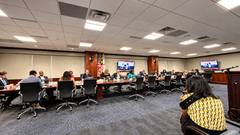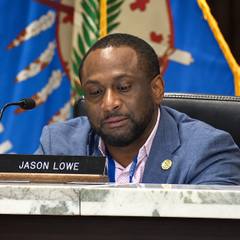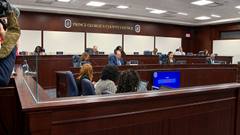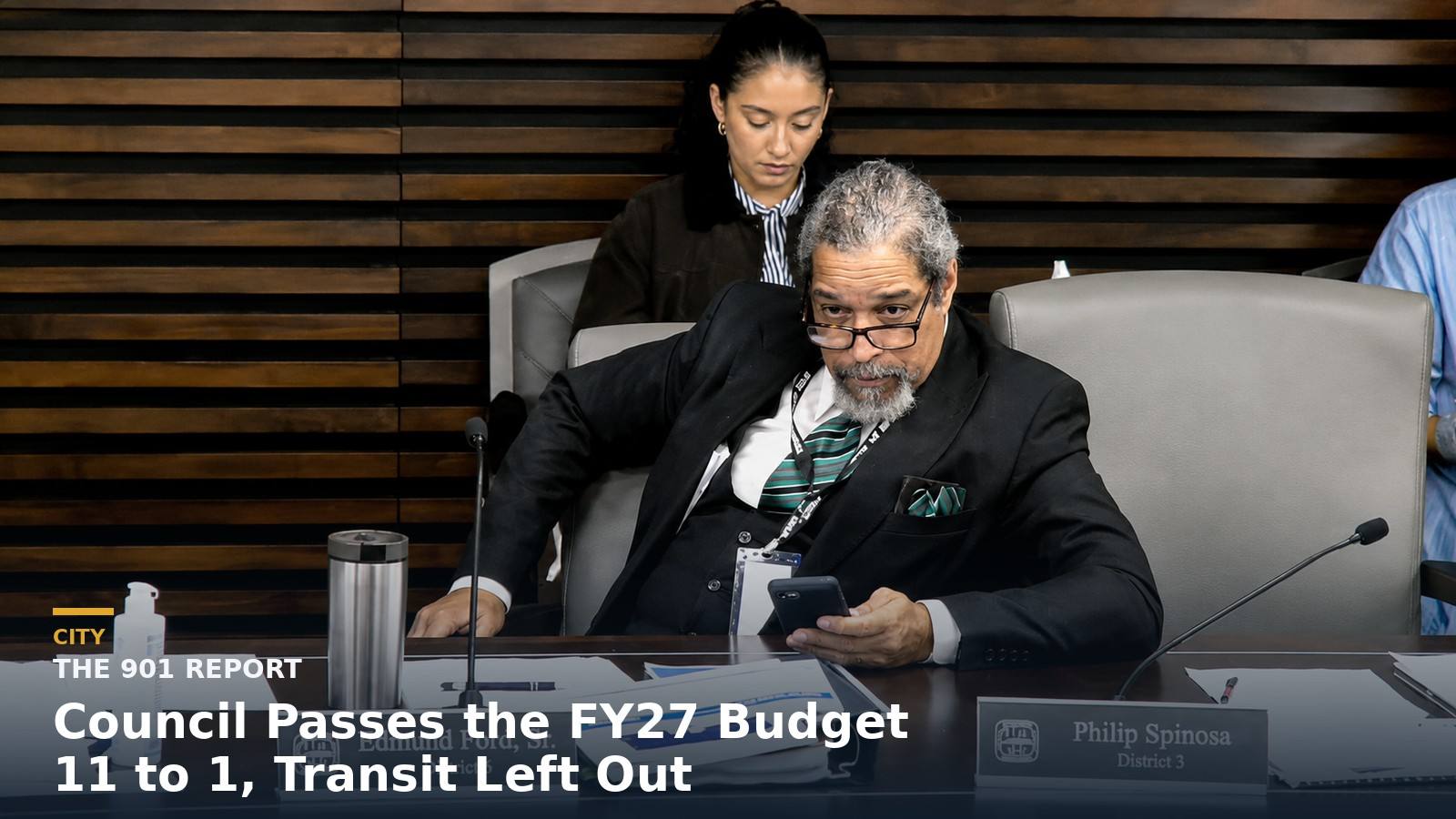
MEMPHIS, Tenn. - The Memphis City Council passed Mayor Paul Young's Fiscal Year 2027 budget on Tuesday, June 23, by an 11 to 1 vote, approving a nearly $900 million operating plan that holds the property tax rate flat. Councilman Chase Carlisle cast the lone dissenting vote. The vote ended weeks of hearings and came just before the current fiscal year closes on June 30, according to Local Memphis and Action News 5.
The approved operating budget tracks closely to the roughly $897.7 million plan Young first presented on April 21, surviving a round of amendments largely intact. It includes a 2 percent pay increase for all City of Memphis employees. Personnel costs account for $652.3 million, about 72 percent of the operating budget, with the Memphis Police Department at $221.1 million, close to a quarter of the total, and the Memphis Fire Department at $180 million. Young described the plan as balanced and built on hard choices.
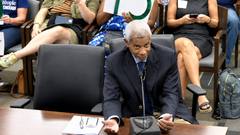
The most pointed story of the night was what did not make the budget. Over weeks of hearings, and at the June 9 meeting where the Council delayed this vote, residents and advocates pressed for more money for the Memphis Area Transit Authority and for the city's violence intervention program. Neither received additional funding. A $5 million allocation for renovations at AutoZone Park did make the final budget. Transit advocate Leo Arnault of Better Transit for a Better Memphis told the Council the city needed to raise transit funding by at least $20 million, according to Action News 5. That request was not met.
Separate from the operating budget, the plan carries more than $105 million in capital projects, including $36.5 million for neighborhood infrastructure, a new police station near the Southwest Twin, a new Parkway Village library, $20 million for paving and pothole repair, upgrades to the Overton Park Shell, and improvements to area trails. The administration has also pointed to $14 million for housing initiatives as a priority carried over from the proposal.
Why It Matters for Memphis
A budget is a priority list written in dollars, and this one is now law for the year that begins July 1. The headline that the tax rate did not rise is real, and the 2 percent raises and neighborhood infrastructure are concrete. But the clearest signal in any budget is the tradeoff, and here it is plain: the specific requests residents showed up to make, more for transit and for violence prevention, were turned down in the same plan that found $5 million for a ballpark.
That is not a claim that the ballpark money is wasted or that the requests were automatically right. It is a statement of what the document funds and what it does not, which is exactly what residents are entitled to see clearly.
The Oversight Question
The June 9 delay happened because residents demanded more for transit and violence prevention. Two weeks later, the budget passed without either, while a late $5 million went to AutoZone Park. The question worth holding onto is whether the public pressure changed the document, or whether the extra two weeks mainly deferred a vote that passed largely as proposed. The receipts are now on the record, and they are the measure.