A traffic stop is supposed to be about the stop itself. In Memphis and Nashville, Tennessee Highway Patrol was accused of turning those stops into immigration dragnet opportunities - and now a federal judge has hit pause.
What happened
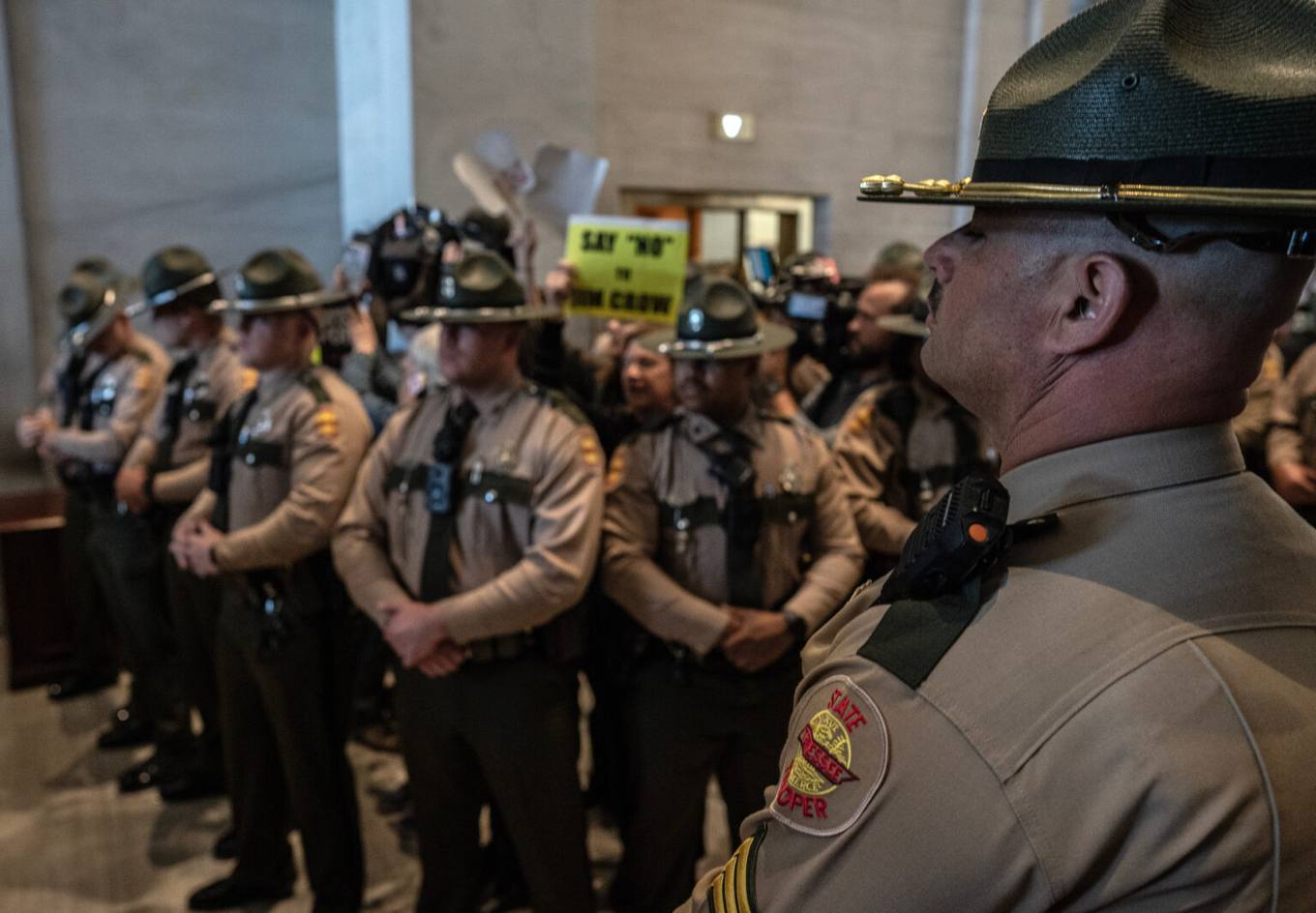
A federal court has temporarily blocked THP from assisting immigration enforcement in connection with traffic stops in Memphis and Nashville, after a lawsuit challenged the practice as unlawful. The ruling is a major development for Shelby County drivers because it raises a basic question: were state troopers using local roads to funnel people into federal immigration scrutiny?
For Memphis, this is not an abstract legal fight. It goes to the day-to-day relationship between residents and law enforcement - especially in neighborhoods where drivers are already wary of being stopped for minor violations and then pulled into something bigger. If the state was coordinating immigration-related action during traffic stops, residents deserve a clear accounting of who approved it, who knew about it, and what safeguards existed.
That’s why this story is bigger than one court order. It is about the line between traffic enforcement and immigration enforcement, and whether Tennessee crossed it in the 901.
> “If a traffic stop becomes an immigration pipeline, then the public has lost the ability to know what the stop was really for.”
The immediate legal effect is a temporary halt, not a final answer. But the political effect is already here: Tennessee officials are now on notice that Memphis families want to know how state police powers are being used inside city limits.
What residents should watch
The biggest next question is whether the state can produce a paper trail: internal guidance, emails, field directives, or any agreement showing how THP troopers were expected to interact with federal immigration agents during stops. If the practice existed, residents should ask whether it was reviewed by the Tennessee Department of Safety and Homeland Security, the Governor’s office, and the Attorney General’s office.
For Memphis, the impact may also spill into city-state relations. MPD does not control THP, but residents do not experience the difference between agencies when blue lights flash behind them. That makes transparency the real issue here.
Why this matters for oversight
Responsible official/agency: Tennessee Department of Safety and Homeland Security, Tennessee Highway Patrol, Governor Bill Lee’s administration.
Memphis impact: Shelby County drivers, especially in city neighborhoods where traffic stops are common.
Oversight question: What written policy authorized THP to assist immigration enforcement during Memphis traffic stops, who approved it, and how many stops were affected?
Residents should be asking for the receipts, not the talking points: stop data, field instructions, training memos, and any federal coordination documents. If state police were used as a back door for immigration enforcement, that is not just a legal issue - it is a public-trust issue.
And in Memphis, public trust is a budget issue too. Every time a law-enforcement agency blurs its mission, it makes routine policing harder, more expensive, and less credible.
What to watch next: whether the state appeals the order, whether additional documents surface showing who directed THP’s role, and whether Memphis-area advocates push for the same restraint to apply to any future traffic-stop coordination statewide.