MEMPHIS, Tenn. - The city collected $3,259,282 during fiscal year 2026 under the Community Benefits Ordinance, and on July 21 Mayor Paul Young's administration told a City Council committee how it proposes to spend about $3.2 million of it in the 38109 ZIP code.
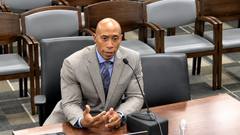
The ordinance directs 25 percent of the city's tax revenue from artificial intelligence properties to residents living within five miles of the SpaceXAI Colossus I data center at 3231 Paul R. Lowry Road. The administration refers to that area as Investment Zone 1. Renee Sekander, deputy chief of staff in the mayor's office, presented the plan to the Council's Public Works, Solid Waste and General Services committee.
The largest single allocation is $1.4 million for a home repair program. Sekander said eligible homeowners could receive up to $30,000 for critical work including roofs, HVAC systems, accessibility modifications such as ramps and grab bars, and weatherization. She described it as the single largest investment because it does the most for families.
The second largest is $500,000 for a paid community cleanup workforce, giving residents paid work removing litter and doing beautification in Zone 1. Sekander said that program would be limited to 38109 residents. The remainder is split between neighborhood cleanup work, including illegal dumping and debris removal, and community needs including public safety initiatives.
The ordinance requires that at least 1 percent of the funds go to environmental education. Sekander said the administration is recommending roughly three times that minimum after talking with community members.
The plan was built on resident surveys collected between July 2025 and May 2026. Sekander said the top priorities residents identified were home repair and weatherization, public safety and crime prevention, road repairs and infrastructure, and blight remediation.
Two council members pushed back on what was missing.
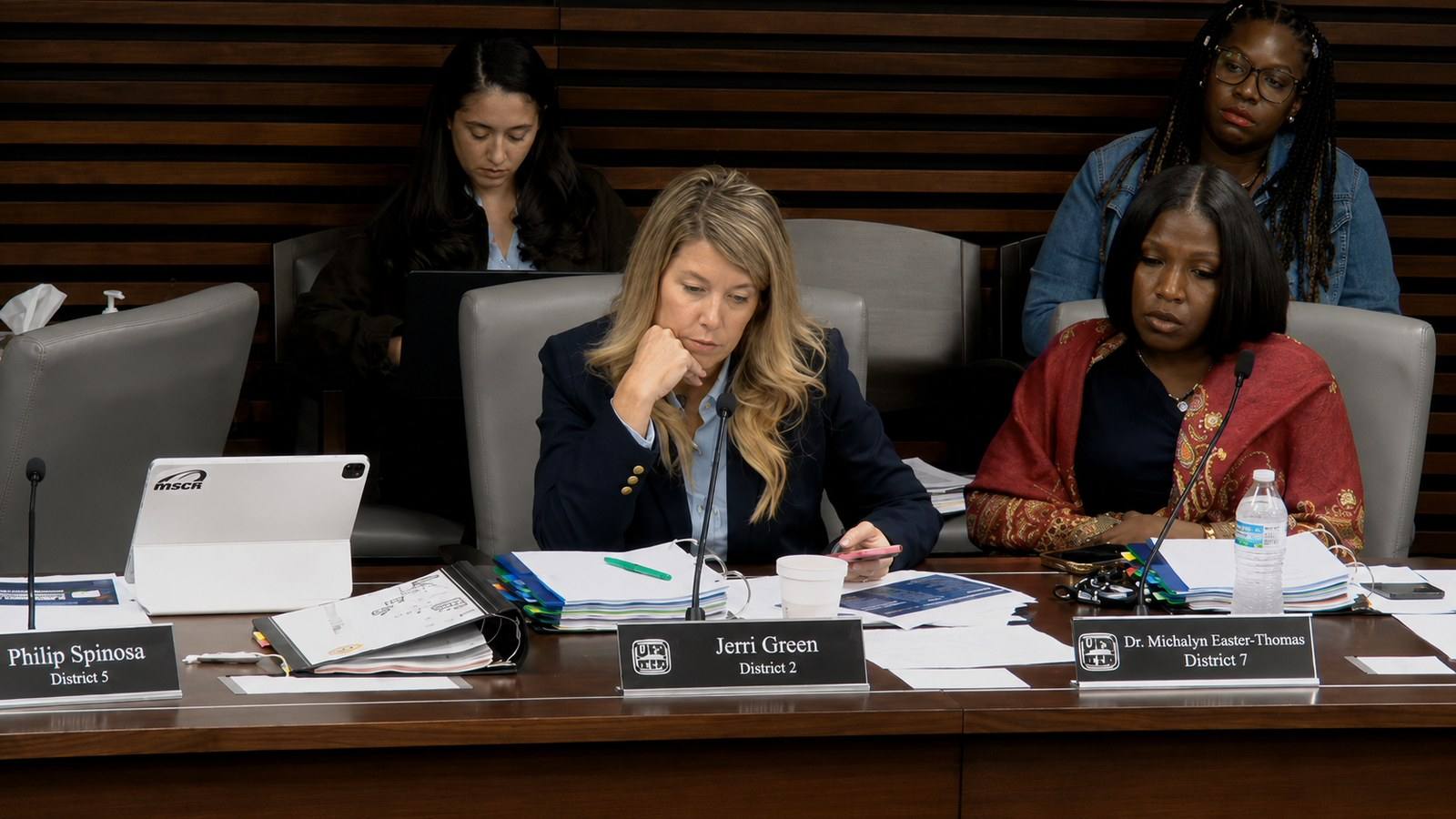
Councilwoman Jerri Green said the plan directs $1.5 million toward work the city should already be doing, while putting nothing toward a specific and repeated ask from the community. Councilwoman Yolanda Cooper-Sutton, who served on the Advisory Board Related to Public Use Funds from AI Properties, said residents' health concerns should be a priority and that the city is exploring its legal boundaries on that question.
Sekander responded that health is factored into several proposals without appearing as its own line item, and pointed to home repair as an example, saying indoor air quality is tied to housing condition and that the repair program addresses an underlying cause for residents living with asthma.
Young defended the approach, saying blight remediation extends the city's help into the affected community and that residents have asked for it, and that the Community Benefits Ordinance could serve as a model for other cities absorbing data center development.
The plan is not final. It comes back to the full Council as a resolution to be voted on. The administration said fiscal year 2027 planning will include a second zone around the Whitehaven site on Tulane Road.
Why It Matters for Memphis
This is the first real test of whether the Community Benefits Ordinance does what it was sold as doing. The ordinance was the city's answer to residents who said a data center was being built next to their neighborhoods without their input. The money is now real and countable: $3,259,282 in one fiscal year, from one zone, with a second zone coming.
The dispute in committee is worth taking seriously in both directions. Green's objection is that a fund created because of a specific facility is being spent on general municipal maintenance the city already owes 38109, which would make it a substitution rather than a benefit. The administration's answer is that residents themselves ranked home repair, blight and public safety at the top of their own list, and that health outcomes run through housing condition. Both of those are defensible positions, and the survey data is the evidence that should settle it.
Accountability Watch
Who is accountable: The Memphis City Council, which must vote on the resolution, and the mayor's office, which produced the plan.
What is pending: A resolution approving the fiscal 2026 Community Benefits Fund allocation for 38109, and publication of the resident survey results the allocation rests on.
When: Presented to the Public Works, Solid Waste and General Services committee July 21, 2026; returns to the full Council for a vote on a date not yet set.
Status: Pending as of July 26, 2026.
How to verify: Memphis City Council agendas, committee packets and recorded votes at memphistn.gov, and the meeting video for the July 21 committee session.