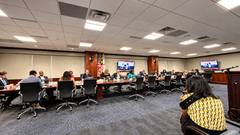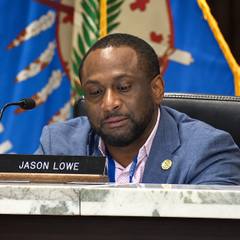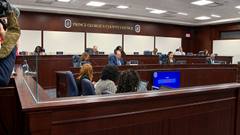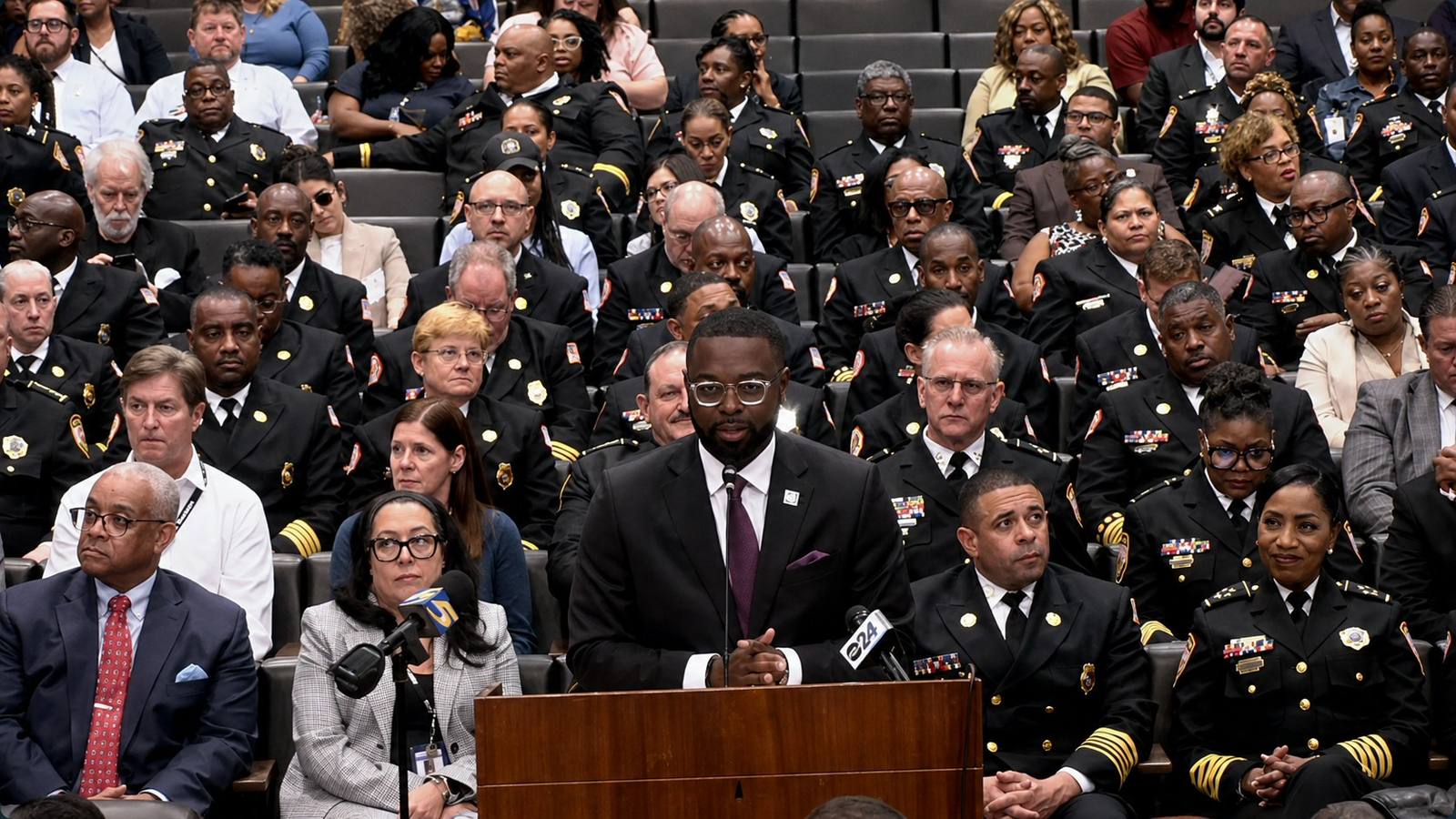
MEMPHIS, Tenn. - As the Memphis City Council opens FY27 budget hearings this week, the line item drawing the least public attention is the one with the longest tail: pensions.
Mayor Paul Young's proposed $898 million operating budget dedicates roughly 72% of spending to personnel costs, a category that includes salaries, health insurance, and pension benefits, according to the administration's April 22 presentation to Council.
The city's most recent actuarial funding report for the Memphis Retirement System, prepared by PwC and dated April 16, 2025, covers the plan year ending June 30, 2026. It is the document Council members will lean on, or should lean on, when they ask what the city actually owes.
What happened
Young rolled out the FY27 proposal on April 21 without a property tax increase, keeping the rate at $3.39. Personnel is the largest slice of the budget. Pension contributions ride inside that slice.
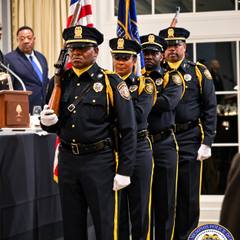
Budget hearings begin Monday, May 18, and run through early June. Police and fire, the two departments with the largest pension exposure, are scheduled for May 19.
The city's pension obligation is set annually by the actuary. What the Council votes on is the appropriation to meet that number.
Why It Matters for Memphis
Pension math is not optional. If the actuarial contribution goes up and revenue does not, the money comes from somewhere else in the same budget: hiring freezes, deferred equipment, service reductions.
That is why the pension line shapes the rest of the document even when nobody asks about it in the hearing room.
Public safety pensions carry the most weight because police and fire have the largest workforces and the earliest retirement eligibility. Any change to assumptions, investment return targets, payroll growth, mortality tables, moves the required contribution.