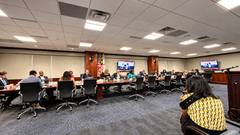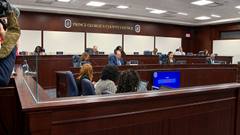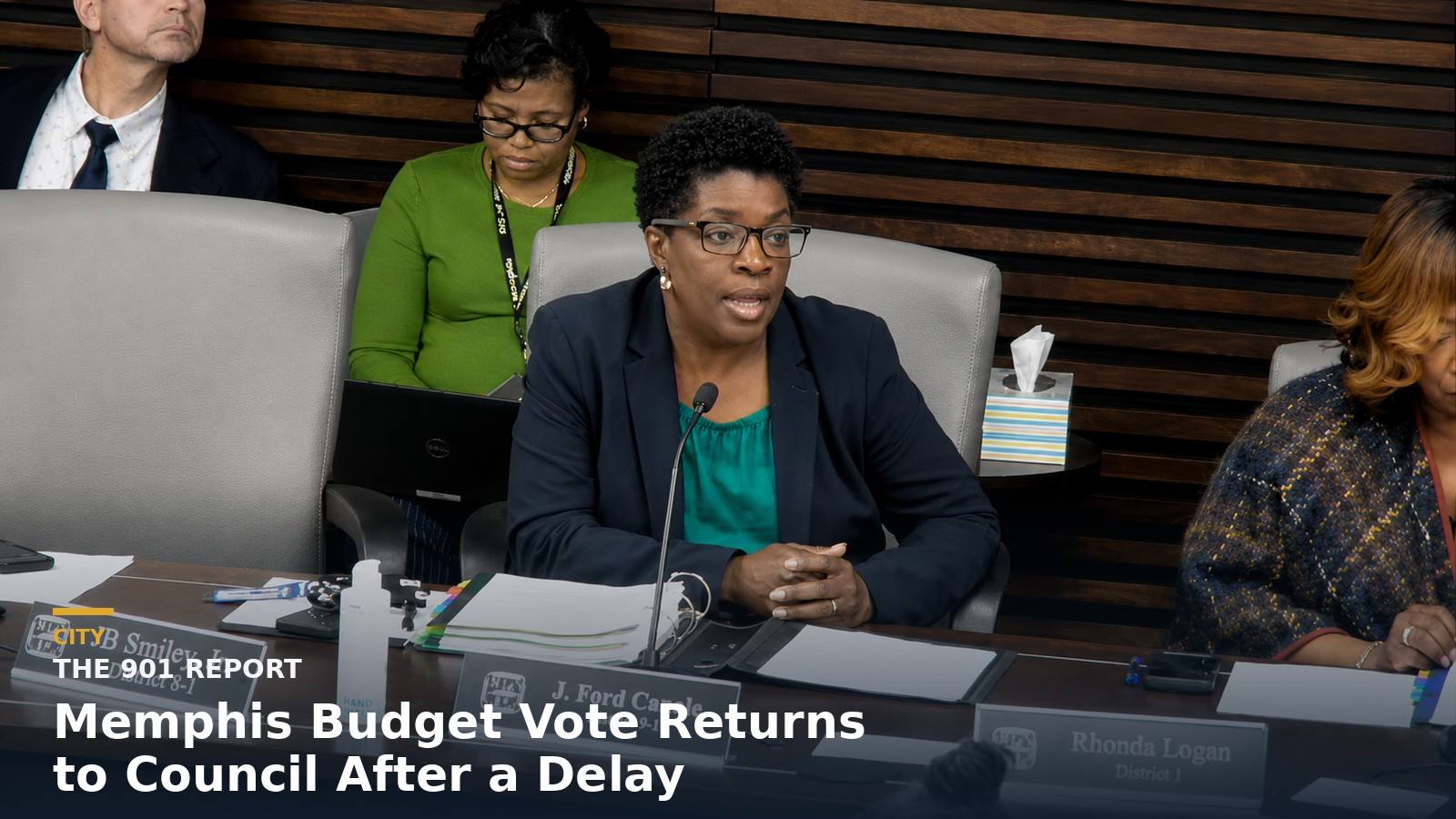
MEMPHIS, Tenn. - The Memphis City Council's vote on the city's Fiscal Year 2027 budget is set to return to the dais after the Council delayed the decision on June 9, pushing it back about two weeks following public pressure for more spending on community priorities, according to Action News 5.
At the June 9 meeting, residents and community advocates urged the Council to raise funding for violence prevention, public transportation, and housing. Among those who spoke was the leader of Heal 901, a nonprofit focused on reducing youth violence, who told the Council the work cannot be done without adequate resources. Advocates for the Memphis Area Transit Authority pressed for a larger transit investment.
The delayed item is the operating budget tied to Mayor Paul Young's proposed $898 million spending plan for the year that begins July 1. As proposed, that plan did not include a property tax rate increase, which means the debate now centers less on raising taxes and more on how existing dollars are divided among competing community needs.
With the new fiscal year starting July 1, the Council faces a compressed timeline to adopt a budget. The vote is expected to return at the body's next scheduled meeting.
Why It Matters for Memphis
The budget decides what the city actually funds for a full year, from public safety to the neighborhood services residents use every day. The June 9 delay was not a procedural footnote. It happened because residents showed up and said the proposed allocations did not match what their communities need, and the Council blinked.
What happens at the rescheduled meeting will show whether that public pressure changed any numbers, or whether the budget passes largely as proposed once the cameras move on.
The Oversight Question
The recurring pattern in this budget cycle has been deferral. A presentation in April, hearings through the spring, and then a delayed vote in June. Delay can be healthy when it produces real changes, or it can simply push a decision past the point of public attention.
The question for the rescheduled meeting is whether the extra two weeks were used to actually revise the budget in response to residents, or whether the delay mainly bought time to pass the original plan with less scrutiny. The public is owed a clear, line-item answer about what, if anything, changed.
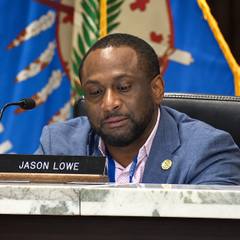
Update, October 11, 2026: The Memphis City Council passed Mayor Paul Young's fiscal year 2027 operating budget, about $900 million with no property tax rate increase, on June 23, 2026, by an 11-1 vote, with Vice Chair Chase Carlisle voting no, Tri-State Defender reported. The Council added a 2 percent raise and a one-time $2,000 bonus for city sanitation workers. The additional transit and violence-prevention money speakers had requested was not added. The 901 Report's follow-up: "Memphis Council Passes Nearly $900 Million Budget; AutoZone Park Funded, Transit Left Out".